Malaysia cuts use of ozone-depleting HCFC by nearly 80pc, eyes full phase-out by 2030马来西亚将破坏臭氧层的氢氯氟烃(HCFC)使用量削减近80%,并计划在2030年前全面淘汰。
PUTRAJAYA, Oct 3 — The National World Ozone Day 2026 celebration has reinforced Malaysia’s commitment to protecting the ozone layer and tackling climate change through a...
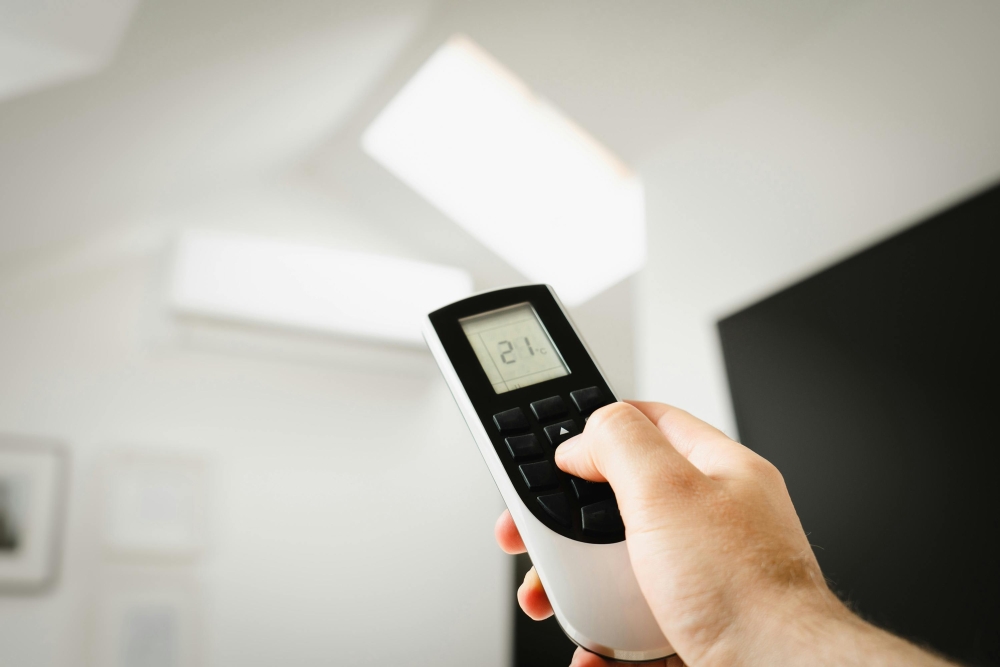
The National World Ozone Day 2026 celebration in Malaysia underscored the nation's dedication to preserving the ozone layer and mitigating climate change by adopting sustainable and energy-efficient cooling technologies.
The event, themed "Global Action for a Cooler Planet," commemorated a decade of the Kigali Amendment's efforts to curb high global warming potential hydrofluorocarbons (HFCs).
Malaysia, having previously phased out chlorofluorocarbons (CFCs) and Halons, is advancing towards eliminating hydrochlorofluorocarbons (HCFCs) by 2030.
The Department of Environment (DOE) emphasized continued collaboration across sectors and urged public participation in eco-friendly practices to uphold international environmental commitments.
PUTRAJAYA, Oct 3 — The National World Ozone Day 2026 celebration has reinforced Malaysia’s commitment to protecting the ozone layer and tackling climate change through a transition towards more sustainable and energy-efficient cooling technologies.
In a statement today, the Department of Environment (DOE) said the celebration, officiated by DOE Deputy Director-General (Development) Azuri Azizah Saedon at a shopping centre here, carried the theme “Global Action for a Cooler Planet: Celebrating 10 Years of Sustainable Cooling under the Kigali Amendment to the Montreal Protocol”.
“This theme marks a decade of the Kigali Amendment, which focuses on reducing the consumption of high global warming potential hydrofluorocarbons (HFCs), alongside accelerating the transition to sustainable and energy-efficient cooling technology.
“Malaysia, which ratified the Montreal Protocol in 1989, completely phased out chlorofluorocarbons (CFCs) and Halons in 2010.
“The nation has also reduced its hydrochlorofluorocarbons (HCFCs) consumption by nearly 80 per cent, aiming for a complete phase-out by 2030 under Stage III of the HCFC Phase-out Management Plan (HPMP III) and Stage I of the Kigali Implementation Plan,” the DOE said.
The DOE noted that these achievements stem from continuous collaboration between the government, industry, international development partners, relevant institutions, and the public to ensure Malaysia’s obligations under the Montreal Protocol and Kigali Amendment are effectively fulfilled.
Meanwhile, the DOE highlighted that Malaysia continues to strengthen environmental sustainability through a Refrigerant Lifecycle Management (RLM) approach to prevent harmful gas emissions and stimulate the circular economy.
“The DOE is also enhancing governance and industry competency by upgrading policies, legislation, and technical guidance for technicians. However, the implementation of the Montreal Protocol and Kigali Amendment demands a comprehensive commitment from industry, training institutes, the public, and key stakeholders,” the statement read.
Consequently, the DOE urged members of the public to play their part by selecting eco-friendly and energy-efficient cooling appliances, engaging DOE-certified technicians for maintenance services, ensuring the proper disposal of refrigerants, and consistently practising energy conservation.
The department affirmed it will continue ensuring policies, plans, and strategies related to the HCFC phase-out and HFC phase-down are effectively executed, alongside reinforcing legal frameworks, compliance, and enforcement regarding refrigerants in line with technological developments and Malaysia’s obligations under the Montreal Protocol.
“The 2026 World Ozone Day celebration does not merely commemorate past achievements; it serves as an ongoing reminder that efforts to safeguard the ozone layer and combat climate change must be sustained to secure a cleaner, healthier, and more sustainable environment for future generations,” the statement added.
World Ozone Day is celebrated annually on September 16 to commemorate the signing of the Montreal Protocol on Substances that Deplete the Ozone Layer in 1987, as well as to raise public awareness on the importance of protecting the ozone layer and addressing climate change. — Bernama
Police arrest motorcyclist for riding against traffic, crashing into two KL marathon participants
Family of Bandar Utama school stabbing victim files civil suit against government agencies, boy and his parents
Malaysian pilot detained in Jakarta over alleged drug smuggling gets another 30 days in custody
马来西亚在2026年举办的全国世界臭氧日庆祝活动,凸显了该国致力于通过采用可持续和节能的制冷技术来保护臭氧层和缓解气候变化的决心。
此次活动以“为更凉爽的地球采取全球行动”为主题,纪念《基加利修正案》为遏制高全球变暖潜能氢氟碳化合物(HFCs)所做的努力十周年。
马来西亚此前已逐步淘汰氯氟烃(CFC)和哈龙,目前正朝着在 2030 年前消除氢氯氟烃(HCFC)的目标迈进。
环境部强调各部门之间要继续合作,并敦促公众参与环保实践,以履行国际环境承诺。
布城,10 月 3 日讯——2026 年国家世界臭氧日庆祝活动强化了马来西亚保护臭氧层和应对气候变化的承诺,通过向更可持续和节能的制冷技术转型来实现这一目标。
环境部今天发表声明称,此次庆祝活动由环境部副总干事(发展)阿祖里·阿齐扎·赛登在当地一家购物中心主持开幕,主题为“为更凉爽的地球采取全球行动:庆祝《蒙特利尔议定书基加利修正案》实施可持续制冷10周年”。
“这一主题标志着《基加利修正案》实施十周年,该修正案旨在减少高全球变暖潜能氢氟碳化合物(HFC)的消耗,同时加速向可持续和节能的制冷技术过渡。
“马来西亚于 1989 年批准了《蒙特利尔议定书》,并在 2010 年完全淘汰了氯氟烃 (CFC) 和哈龙。
“该国已将氢氯氟烃(HCFC)的消耗量减少了近 80%,目标是在 HCFC 淘汰管理计划(HPMP III)第三阶段和基加利实施计划第一阶段的指导下,到 2030 年完全淘汰 HCFC。”能源部表示。
能源部指出,这些成就源于政府、行业、国际发展伙伴、相关机构和公众之间的持续合作,以确保马来西亚有效履行《蒙特利尔议定书》和《基加利修正案》规定的义务。
与此同时,能源部强调,马来西亚将继续通过制冷剂生命周期管理(RLM)方法加强环境可持续性,以防止有害气体排放并促进循环经济发展。
声明指出:“能源部也在通过升级政策、立法和技术人员技术指导,加强治理和行业能力。然而,《蒙特利尔议定书》和《基加利修正案》的实施需要行业、培训机构、公众和主要利益攸关方的全面承诺。”
因此,美国能源部敦促公众尽自己的一份力,选择环保节能的制冷设备,聘请经美国能源部认证的技术人员进行维护服务,确保妥善处置制冷剂,并持续践行节能措施。
该部门重申,将继续确保与 HCFC 逐步淘汰和 HFC 逐步减少相关的政策、计划和战略得到有效执行,同时加强与制冷剂相关的法律框架、合规性和执法,以适应技术发展和马来西亚在《蒙特利尔议定书》下的义务。
声明还补充道:“2026年世界臭氧日庆祝活动不仅仅是为了纪念过去的成就;它也时刻提醒我们,必须坚持不懈地努力保护臭氧层和应对气候变化,才能为子孙后代创造一个更清洁、更健康、更可持续的环境。”
世界臭氧日定于每年9月16日,旨在纪念1987年签署的《关于消耗臭氧层物质的蒙特利尔议定书》,并提高公众对保护臭氧层和应对气候变化重要性的认识。——马来西亚国家通讯社(Bernama)
警方逮捕了一名逆向行驶的摩托车手,该车撞倒了两名吉隆坡马拉松参赛者。
班达尔乌塔玛学校刺伤案受害者家属对政府机构、受害者及其父母提起民事诉讼
因涉嫌走私毒品在雅加达被拘留的马来西亚飞行员被加关30天