Sabah gives more than 500 adults second chance to learn reading, writing, counting沙巴州为500多名成年人提供了第二次学习阅读、写作和计数的机会。
KOTA KINABALU, Oct 4 — More than 500 adults in Sabah who missed out on formal education are being given a second chance to master basic reading, writing and counting (3M) skills...
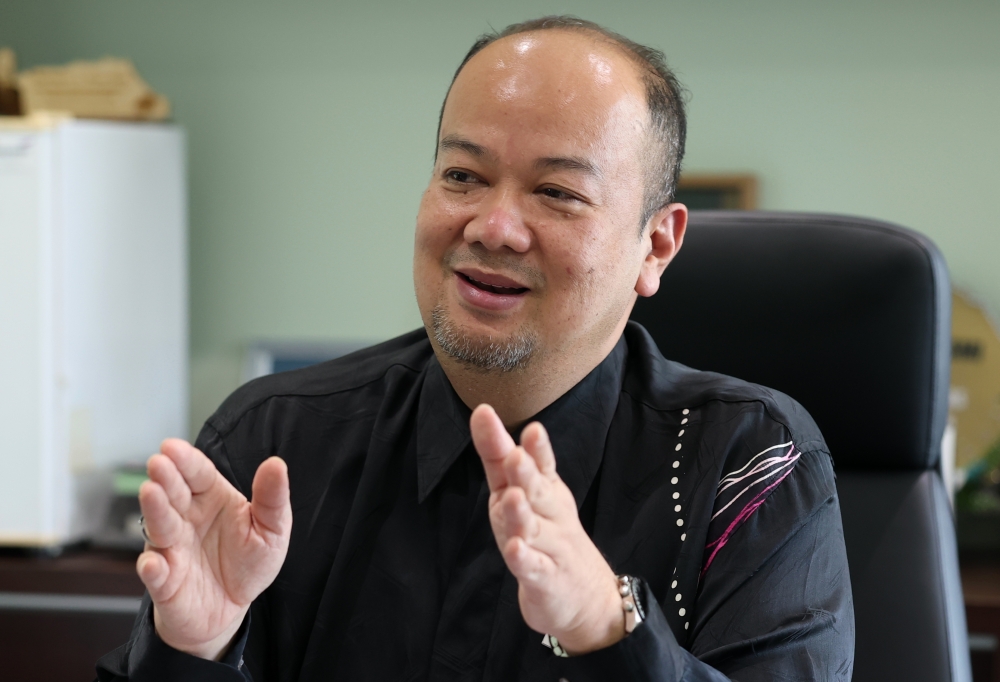
The Functional Literacy Education Programme (PLF), organized by Sabah's Community Development Department (KEMAS), is providing over 500 adults who missed formal education a chance to master basic reading, writing, and counting skills.
Targeting individuals aged 15 to 65 predominantly in rural and remote areas, the program assesses participants' skills through pre- and post-tests to monitor progress.
Beyond literacy, PLF aims to enhance livelihood by introducing entrepreneurship and digital skills, which may support the participants in generating income.
Successful participants receive certificates to encourage further education and personal development.
KOTA KINABALU, Oct 4 — More than 500 adults in Sabah who missed out on formal education are being given a second chance to master basic reading, writing and counting (3M) skills through the Functional Literacy Education Programme (PLF) organised by the Community Development Department (KEMAS).
Sabah KEMAS director Ahmad Fakhrul Azman Muhammad Radzi said the participants are attending 25 classes this year in urban fringe, rural and remote areas across Kudat, Kota Marudu, Kota Belud, Keningau, Tenom, Nabawan, Beluran, Sandakan, Kinabatangan, Lahad Datu, Semporna, Tawau and Kalabakan.
The programme primarily targets individuals aged between 15 and 65 who have yet to master basic 3M skills, while those outside the age range can also participate based on their needs.
“PLF is among the efforts to eradicate illiteracy, particularly among those who dropped out of formal education at an early stage and are still unable to read, write and count,” he told Bernama.
Participants are identified with the help of community leaders, including village heads, as well as KEMAS teachers on the ground, who provide information on individuals still in need of literacy education.
Before joining the classes, participants sit for a pre-test to assess their initial reading, writing and counting skills. A post-test is conducted upon completion to measure their progress, with more than 70 per cent recorded as achieving an excellent level.
Those who have yet to fully master the three skills can repeat the lessons to ensure they reach the required level.
Ahmad Fakhrul said regular PLF classes run for a year and are conducted by KEMAS-appointed PLF community development officers who serve as trained educators in the targeted areas.
Classes conducted by additional instructors in areas with greater needs run for six months, with three sessions a week.
As part of efforts to recognise participants and encourage them to continue learning, graduation ceremonies are held according to class and district.
A total of 375 participants from 25 classes took part in this year’s ceremonies, which were conducted by groups and according to their respective districts.
“Participants who complete the programme receive certificates as recognition and encouragement to continue learning. We do not know whether they may eventually become interested in pursuing further education,” he said.
Beyond literacy, KEMAS instructors also expose participants to livelihood and entrepreneurship skills through the production of items such as handicrafts, fish crackers and rempeyek, based on local needs.
“We want participants to apply their basic 3M skills in small-scale entrepreneurship so that they can indirectly generate income,” said Ahmad Fakhrul.
As technology advances, PLF participants are also introduced to digital skills to help them keep pace with current developments and reduce the digital divide.
They are guided in using smartphones for everyday tasks, including making clinic appointments through the MySejahtera application and paying bills, as well as promoting their products online
“Efforts to eradicate illiteracy must continue and receive support from all parties so that no one, particularly in Sabah, is left behind in education.
“We do not want them to be easily deceived in their daily affairs because of literacy limitations. Instead, they should be supported until they can become independent and live their lives with greater confidence,” he said. — Bernama
Anwar: F1 excitement at Sepang also brings opportunities for local traders
Zahid urges UiTM to establish Quantum Department, says Malaysia must not lag
Malaysia eyes F1 calendar return as PM Anwar confirms talks under way
由沙巴州社区发展部 (KEMAS) 组织的实用识字教育计划 (PLF) 为 500 多名错过正规教育的成年人提供了掌握基本阅读、写作和计数技能的机会。
该计划主要针对居住在农村和偏远地区的 15 至 65 岁人群,通过前测和后测评估参与者的技能,以监测进展情况。
除了识字教育之外,PLF 还旨在通过引入创业和数字技能来改善生计,这可以帮助参与者创造收入。
成功完成课程的学员将获得证书,以鼓励他们继续深造和个人发展。
哥打基纳巴卢,10 月 4 日讯——沙巴州社区发展部 (KEMAS) 组织的实用识字教育计划 (PLF) 为 500 多名错过正规教育的成年人提供了第二次机会,让他们掌握基本的阅读、写作和计数 (3M) 技能。
沙巴 KEMAS 总监 Ahmad Fakhrul Azman Muhammad Radzi 表示,学员今年将在古达、哥打马鲁都、哥打毛律、根地咬、丹南、那巴湾、贝鲁兰、山打根、京那巴当岸、拿笃、仙本那、斗湖和加拉巴干的城市边缘、乡村和偏远地区参加 25 个课程。
该计划主要针对 15 至 65 岁之间尚未掌握 3M 基本技能的人员,而年龄范围之外的人员也可以根据自身需求参与。
“PLF是消除文盲的努力之一,尤其针对那些在早期就辍学、至今仍不具备读写和计算能力的人,”他告诉马新社。
参与者是在社区领导人(包括村长)以及 KEMAS 一线教师的帮助下确定的,他们提供有关仍需接受识字教育的人员的信息。
在正式上课前,学员需参加一次入学前测试,以评估其阅读、写作和计数能力。课程结束后,学员将接受一次结业测试,以衡量其进步情况。超过70%的学员达到了优秀水平。
尚未完全掌握这三项技能的人可以重修课程,以确保达到所需水平。
艾哈迈德·法赫鲁尔表示,PLF常规课程为期一年,由KEMAS任命的PLF社区发展官员在目标地区担任受过培训的教育者进行授课。
在需求较大的地区,由其他教师开设的课程为期六个月,每周三节课。
为了表彰参与者并鼓励他们继续学习,毕业典礼将按班级和地区举行。
今年共有来自 25 个班级的 375 名学生参加了毕业典礼,典礼按班级和各自的地区进行。
他说:“完成课程的学员将获得证书,以此作为对他们的认可和鼓励,并鼓励他们继续学习。我们不知道他们最终是否会对继续深造感兴趣。”
除了识字之外,KEMAS 的指导员还会根据当地需求,通过制作手工艺品、鱼饼和 rempeyek 等物品,让参与者接触到生计和创业技能。
“我们希望参与者将他们掌握的 3M 基本技能应用于小规模创业,以便他们能够间接地创造收入,”艾哈迈德·法赫鲁尔说。
随着科技的进步,PLF 的参与者还会学习数字技能,以帮助他们跟上当前的发展步伐,缩小数字鸿沟。
他们接受指导,学习如何使用智能手机处理日常事务,包括通过MySejahtera应用程序预约诊所就诊、支付账单以及在线推广产品。
“必须继续努力消除文盲,并得到各方的支持,这样才能确保每个人,特别是沙巴州的每个人,在教育方面都不会掉队。”
他说:“我们不希望他们因为识字能力有限而在日常生活中轻易受骗。相反,我们应该支持他们,直到他们能够独立生活,并更有信心地生活。”——马新社
安华:雪邦F1赛事的精彩也为当地商家带来了商机
阿末扎希促马来西亚科技大学成立量子系 马来西亚不可落后
马来西亚有意重返F1赛历,总理安华证实谈判正在进行中