Asian Games chaos puts Japan’s future Olympic ambitions under fresh scrutiny as experts warn trust damaged亚运会的混乱局面使日本未来的奥运雄心受到新的审视,专家警告称信任已受损。
NAGOYA, Oct 4 — Japan is traditionally seen as a reliable host for major sporting events but an Asian Games dogged by organisational woes has tarnished that image and raised...
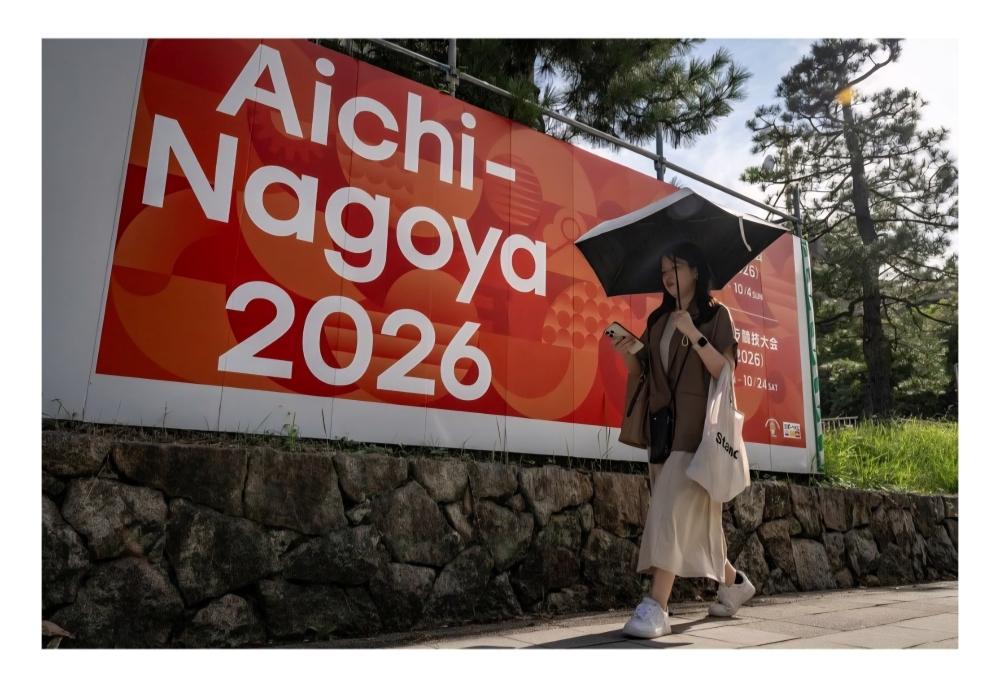
The Asian Games hosted in Aichi-Nagoya, Japan, have been marred by significant organizational issues, including logistical mishaps, insufficient accommodations, and transportation delays, prompting criticism from international teams and raising concerns about Japan's capability to host future major sporting events.
Experts and local officials acknowledge that the challenges faced during the Games have potentially damaged Japan's reputation as a reliable host, with negative memories from the Tokyo Olympics still lingering and influencing public opinion against hosting large events.
Japanese Olympic Committee President Seiko Hashimoto has recognized the criticism but reaffirmed the value Japan sees in hosting international sporting events, stressing the need for thorough analysis to address the shortcomings.
Despite intentions to revive interest in future bids, such as for the Winter Olympics in Sapporo, experts worry that the public's trust in Japan as a host has been compromised.
NAGOYA, Oct 4 — Japan is traditionally seen as a reliable host for major sporting events but an Asian Games dogged by organisational woes has tarnished that image and raised questions over future bids, experts say.
The Games in Aichi-Nagoya saw a catalogue of mishaps, from athletes bussed to the wrong venues to the North Korean national anthem played for the South Korean hockey team.
There were not enough beds for the over 17,000 athletes and officials, a bigger number than the Olympics.
Countries complained of being stranded for up to six hours at the airport on arrival.
Teams were not shy in criticising the local organisers.
Ryu Seung-min, president of the Korean Sport and Olympic Committee, said: “If I were to give them a grade, it would be an F.”
Japanese Olympic Committee (JOC) president Seiko Hashimoto admitted that “there were many problems”, but said the country wants to host more international events.
Hirokazu Arai, a professor specialising in sports psychology, told AFP that Japan may struggle to escape the shadow of the Asian Games for some time to come.
“If Japan were to bid for the Olympics again, trust in Japan may have fallen and it might be harder to win a bid,” he said.
“And within Japan, people may take the view that if these kinds of things are going to happen, we don’t need the Olympics.”
Many in Japan have questioned the value of hosting major sporting events as they grapple with the fallout from the graft-stained and pandemic-delayed Tokyo Olympics.
Cost overruns, corruption and Covid all tainted the public’s memory of the Games, which took place largely behind closed doors in 2021, a year later than planned.
Japan was praised by some, however, for getting the Games on in unprecedented circumstances.
The country subsequently dropped the idea of hosting the Winter Olympics in the northern city of Sapporo because of a lack of public support.
Hashimoto, who also served as president of the Tokyo Olympics organising committee, has said Sapporo’s bid could be revived.
She said the Asian Games had “reaffirmed my belief in the value of hosting international sporting events in our country”.
“We also received harsh criticism because of the challenges we faced — I am fully aware of that,” she said.
“This is all part of the Games, but we need to analyse those issues so we can tackle them for the next future opportunity.”
Asian Games organisers were presented with a headache when the number of athletes and officials that was initially expected ballooned by about 2,000.
Unlike at past Games, there was no traditional athletes’ village in a bid to save money.
Participants instead stayed on a cruise ship, in hotel rooms and in temporary wooden huts.
Some teams complained about the wooden units, saying they were too cramped and the beds too short.
After a troubled build-up, organisers hoped the attention would switch to sport when the action got under way.
But still the problems continued, with transport and accommodation difficulties and further mix-ups with anthems and flags.
“It’s like musical chairs,” a Thai official said, adding that organisation at the Games had been “chaotic”.
Nagoya’s mayor apologised to athletes for “inconveniences”, saying organisers would “sincerely reflect on the mishandling that occurred”.
There were sparse crowds at some events, starting with thousands of empty seats at the opening ceremony.
Organisers blamed the bad weather.
Arai believes the Games have damaged Japan’s international reputation as a safe pair of hands.
“The previous Games were in China, and I’m sure there were athletes who came here expecting Japan to put on a better event than China,” he said.
“But I don’t think you can say that’s how it’s turned out.”
Arai says anger that had faded in the years since the Tokyo Olympics could flare up again.
“The people at the top of Japan’s sporting world are moving towards trying to bring the Olympics here again,” he said.
“From their perspective, they may have felt that criticism had started to die down, but this situation could cause that criticism to intensify again.” — AFP
Antonelli admits P2 was ‘the maximum’ as Verstappen proves too quick for Mercedes at Bahrain GP in Malaysia
‘No power!’ Verstappen reveals chaotic start before storming to victory at Bahrain GP in Malaysia
FIA president hails Sepang’s Bahrain GP rescue as model response to geopolitical disruption
Suhakam doesn’t need prosecutorial powers — but govt must answer its findings, says chairman
Sabah gives more than 500 adults second chance to learn reading, writing, counting
Anwar: F1 excitement at Sepang also brings opportunities for local traders
在日本爱知县名古屋市举办的亚运会因严重的组织问题而蒙上阴影,包括后勤事故、住宿不足和交通延误,这引发了国际代表队的批评,并引发了人们对日本未来举办重大体育赛事能力的担忧。
专家和地方官员承认,奥运会期间面临的挑战可能损害了日本作为可靠东道主的声誉,东京奥运会的负面记忆仍然挥之不去,影响着公众舆论,使其不愿举办大型活动。
日本奥委会主席桥本圣子承认了这些批评,但她重申了日本对举办国际体育赛事的重视,并强调需要进行彻底的分析来解决不足之处。
尽管日本有意重振申办未来赛事(例如札幌冬奥会)的兴趣,但专家担心公众对日本作为东道主的信任已经受到损害。
名古屋,10 月 4 日——专家表示,日本历来被视为举办大型体育赛事的可靠举办地,但本届亚运会因组织问题而蒙上阴影,也引发了人们对未来申办的质疑。
爱知-名古屋冬奥会期间发生了一系列意外事件,从运动员被大巴送到错误的比赛场馆,到韩国曲棍球队比赛时播放了朝鲜国歌。
超过17000名运动员和官员(比奥运会参赛人数还多)没有足够的床位。
各国抱怨抵达机场后被困长达六个小时。
各参赛队伍毫不掩饰地批评了当地组织者。
韩国体育和奥林匹克委员会主席柳承敏表示:“如果让我给他们打分,那就是不及格。”
日本奥委会主席桥本圣子承认“存在很多问题”,但她表示日本希望举办更多国际赛事。
专门研究运动心理学的教授荒井博和告诉法新社,日本可能在未来一段时间内都难以摆脱亚运会的阴影。
他说:“如果日本再次申办奥运会,公众对日本的信任度可能会下降,申办成功的可能性也会降低。”
“在日本国内,人们可能会认为,如果这类事情总是发生,那我们就没必要举办奥运会了。”
由于东京奥运会因贪腐丑闻和疫情延误而遭受重创,许多日本人开始质疑举办大型体育赛事的价值。
成本超支、腐败和新冠疫情都玷污了公众对奥运会的记忆。2021 年奥运会大部分时间都在闭门进行,比原计划晚了一年。
然而,一些人称赞日本在史无前例的情况下成功举办了奥运会。
由于缺乏公众支持,日本最终放弃了在北部城市札幌举办冬季奥运会的想法。
曾担任东京奥运会组委会主席的桥本表示,札幌申奥计划可能会重新启动。
她说,亚运会“再次印证了我对我国举办国际体育赛事价值的信念”。
“由于我们面临的挑战,我们也受到了严厉的批评——我完全清楚这一点,”她说。
“这些都是奥运会的一部分,但我们需要分析这些问题,以便在未来的下一次机会到来时能够解决它们。”
亚运会组织者面临着一个棘手的问题:最初预计的运动员和官员人数激增了约 2000 人。
与往届奥运会不同,为了节省开支,本届奥运会没有设立传统的运动员村。
参与者们则住在游轮上、酒店房间里和临时搭建的木屋里。
一些队伍抱怨木制单元房太拥挤,床也太短。
经过一番波折,组织者希望比赛开始后,人们的注意力能够转移到体育本身。
但问题依然存在,包括交通和住宿困难,以及国歌和国旗的进一步混淆。
一位泰国官员表示:“这就像玩抢椅子游戏一样”,并补充说,奥运会的组织工作“一团糟”。
名古屋市长就给运动员带来的“不便”表示歉意,并表示组织者将“认真反思所发生的处理不当之处”。
一些活动现场观众寥寥无几,开幕式上更是出现了数千个空位。
组织者将责任归咎于恶劣天气。
荒井认为,奥运会损害了日本作为国际上安全可靠的国家的声誉。
“上一届奥运会在中国举办,我相信有很多运动员来到这里,期望日本能举办比中国更好的赛事,”他说。
“但我认为事情的发展并非如此。”
荒井表示,自东京奥运会以来逐渐消退的愤怒情绪可能会再次爆发。
他说:“日本体育界的高层人士正在努力争取再次将奥运会带回日本。”
“从他们的角度来看,他们可能觉得批评声已经开始减弱,但这种情况可能会导致批评声再次加剧。”——法新社
安东内利承认第二名已经是“极限”,维斯塔潘在马来西亚巴林大奖赛上证明自己速度太快,梅赛德斯车队难以招架。
“没动力!”维斯塔潘透露在马来西亚巴林大奖赛上混乱的起步后强势夺冠
国际汽联主席称赞雪邦赛道对巴林大奖赛的补救措施是应对地缘政治动荡的典范之举
人权委员会主席表示,人权委员会不需要起诉权,但政府必须对其调查结果作出回应。
沙巴州为500多名成年人提供了第二次学习阅读、写作和计数的机会。
安华:雪邦F1赛事的精彩也为当地商家带来了商机