IGP: Don’t hide school safety issues to protect reputationsIGP:不要为了维护声誉而隐瞒校园安全问题
KUALA LUMPUR, Oct 5 — Safety issues in schools should not be concealed to protect reputations, as this may prevent authorities from taking action, said Inspector-General of...
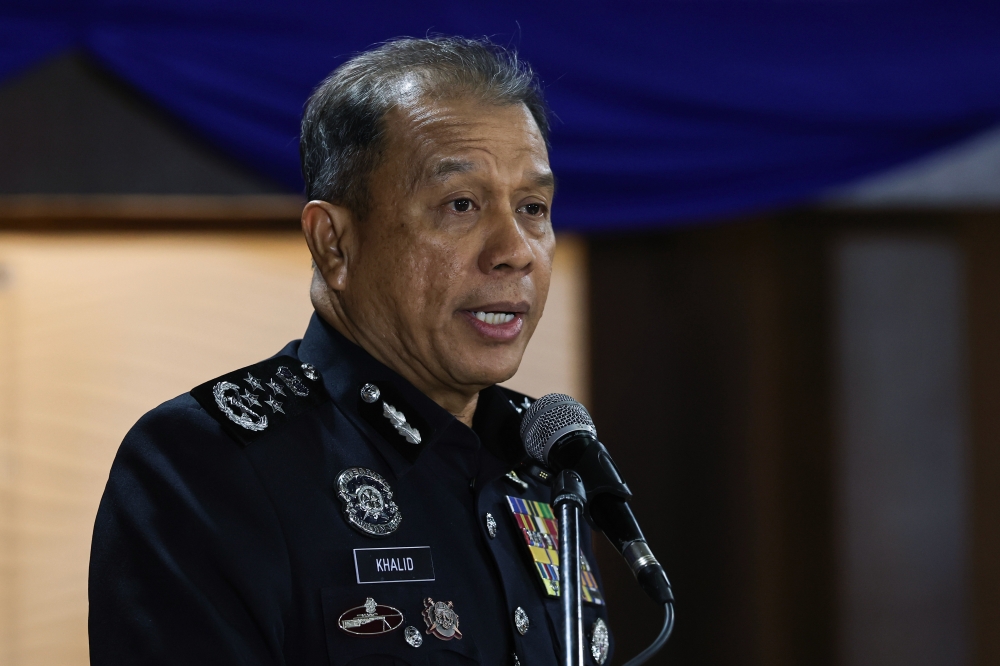
The Inspector-General of Police emphasised that school safety issues should not be concealed, advocating for enhanced cooperation between police and schools to address incidents.
The Royal Malaysia Police are working with schools and parents on safety measures, such as installing CCTV and increasing patrols.
PDRM has strengthened its Negotiator Cell with trained officers to handle crises, and the unit collaborates with other divisions as needed.
KUALA LUMPUR, Oct 5 — Safety issues in schools should not be concealed to protect reputations, as this may prevent authorities from taking action, said Inspector-General of Police Tan Sri Mohd Khalid Ismail.
He said cooperation between the Royal Malaysia Police (PDRM) and schools should be strengthened to ensure all incidents are reported for further action.
“Sometimes there are actions by certain parties attempting to hide issues to protect their reputation. But I believe if we enhance and strengthen this relationship, it can help resolve the problems,” he told a press conference after the launch of the PDRM Negotiator Handbook at the Bukit Aman Senior Officers' Mess here today.
Mohd Khalid said school safety is a shared responsibility requiring cooperation among PDRM, schools, the Ministry of Education, and parents. School liaison officers also regularly visit and coordinate with school authorities on safety issues.
He added that PDRM holds regular discussions with schools and parent-teacher associations on safety measures, including proposals to install closed-circuit television (CCTV). The Crime Prevention and Community Safety Department (JPJKK) has also increased patrols at schools and hostels.
On the death of a 16-year-old student at a school in Yong Peng, Johor, he said some details remain unconfirmed and the department will conduct a thorough investigation before making any conclusions.
Meanwhile, Mohd Khalid said PDRM has strengthened its Negotiator Cell, which was set up two years ago, by introducing a handbook for officers to use during crisis negotiations.
He said the cell, under the Internal Security and Public Order Department (KDNKA), has about 40 officers from various departments. The officers are selected based on their experience and can be deployed if a crisis requires negotiation expertise.
"If a crisis such as a kidnapping occurs, requiring advice, views, or negotiation between relevant parties, we will call upon the officers concerned to carry out the negotiation," he said.
He said the Negotiator Cell also works with other PDRM divisions as needed. The unit has also given lectures and shared experience in crisis management with the Royal Brunei Police Force.
Bukit Aman KDNKA deputy director (Crisis and Disaster) and Negotiator Cell commandant Datuk M.V Srikumar Nair said no standard response time is set for each case, as the duration depends on the circumstances and uniqueness of an incident.
"Every case is unique. Some information is received quickly, while other cases take time. Therefore, there is no standard response time," he said. — Bernama
Johor MB: State government ready to help schools review security measures following student’s death
PM Anwar: Land encroachment must be taken seriously
Warehouse worker pleads not guilty to driving under the influence, injuring two marathon runners
警察总监强调,学校安全问题不应被掩盖,并倡导加强警方与学校之间的合作,以应对相关事件。
马来西亚皇家警察正与学校和家长合作,采取安全措施,例如安装闭路电视监控系统和增加巡逻。
马来西亚皇家警察部队已加强其谈判小组,配备了训练有素的警员来处理危机,该小组会根据需要与其他部门合作。
吉隆坡,10月5日讯——警察总长丹斯里莫哈末·哈立德·伊斯梅尔表示,学校安全问题不应为了维护声誉而隐瞒,因为这可能会妨碍当局采取行动。
他表示,应加强马来西亚皇家警察(PDRM)与学校之间的合作,以确保所有事件都能上报以便采取进一步行动。
“有时某些方面会试图掩盖问题以维护自身声誉。但我相信,如果我们加强和巩固这种关系,就能有助于解决问题,”他在今天于武吉阿曼高级警官餐厅举行的马来西亚皇家警察谈判手册发布会后发表的新闻发布会上说道。
莫哈末·哈立德表示,校园安全是各方共同的责任,需要马来西亚皇家警察、学校、教育部和家长之间的合作。学校联络官也会定期走访学校,就安全问题与校方进行协调。
他还补充说,马来西亚皇家警察定期与学校和家长教师协会就安全措施进行磋商,包括提议安装闭路电视监控系统。犯罪预防及社区安全局也已加强了对学校和宿舍的巡逻。
对于柔佛州永平一所学校一名16岁学生死亡的事件,他表示一些细节仍未得到证实,教育部将在得出任何结论之前进行彻底调查。
与此同时,莫哈末·哈立德表示,马来西亚皇家警察加强了其两年前成立的谈判小组,并推出了一本供警员在危机谈判期间使用的手册。
他表示,该小组隶属于国内安全与公共秩序部(KDNKA),由来自各个部门的约40名官员组成。这些官员根据其经验选拔,并在危机需要谈判技巧时可以被部署。
他说:“如果发生绑架等危机,需要相关各方提供建议、意见或进行谈判,我们将要求有关官员进行谈判。”
他表示,谈判小组也会根据需要与其他马来西亚皇家警察部门合作。该小组还曾为文莱皇家警察部队举办讲座并分享危机管理经验。
武吉阿曼警察总部危机与灾难事务副主任兼谈判小组指挥官拿督MV Srikumar Nair表示,每个案件都没有设定标准的应对时间,因为持续时间取决于事件的具体情况和独特性。
“每个案件都独一无二。有些案件信息很快就能得到,而有些案件则需要时间。因此,没有标准的响应时间。”他说道。——马新社
柔佛州务大臣:学生死亡事件后,州政府准备协助学校审查安保措施
安华总理:土地侵占问题必须严肃对待。
仓库工人拒不不认罪,否认酒后驾车致两名马拉松运动员受伤