World Bank: Malaysia’s inflation among region’s lowest, but upstream cost pressures rising世界银行:马来西亚通胀率位居区域最低之列,但上游成本压力上升
KUALA LUMPUR, Oct 6 — Malaysia’s inflation is among the lowest in the region, but rising upstream cost pressures could pose an inflation risk later this year, said the World...
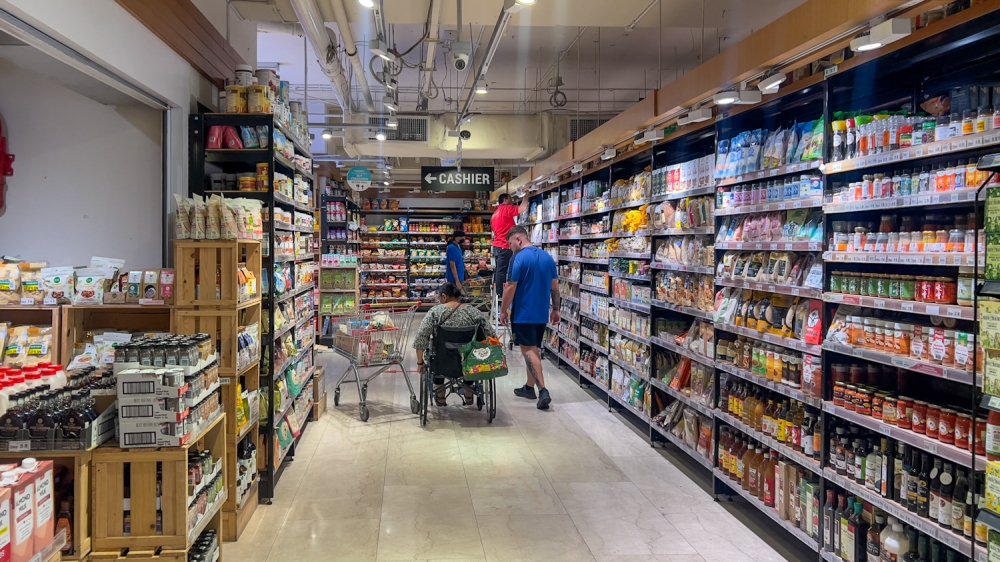
Malaysia's inflation is low in the region, but upstream cost pressures may increase inflation risks later this year, according to the World Bank.
Headline inflation is projected to rise modestly to 2% in 2026 with subsidies limiting the impact on households despite higher energy prices.
Malaysia has exceeded economic growth expectations with strong external demand, but consumer sentiment and business confidence remain low.
KUALA LUMPUR, Oct 6 — Malaysia’s inflation is among the lowest in the region, but rising upstream cost pressures could pose an inflation risk later this year, said the World Bank lead economist Apurva Sanghi.
He said producer price inflation had swung from negative territory in December 2023 and February 2024 to over 10 per cent in June and almost 11 per cent in August this year.
This had renewed upstream cost pressures, presenting a potential inflation risk later in the year, he told the media during a briefing on the October 2026 East Asia and Pacific Economic Update here today.
Nevertheless, the World Bank projected headline inflation to rise modestly to two per cent this year, with subsidies limiting the pass-through of inflation to households despite higher energy prices.
Apurva said Malaysia recorded a relatively low inflation rate of 1.9 per cent in August 2026, compared with its regional peers Thailand (2.5 per cent), Indonesia (3.2 per cent), Vietnam (4.9 per cent) and the Philippines (6.1 per cent).
He said lower-income households, defined as those earning less than RM3,000 a month, faced milder price pressures.
Inflation for these households averaged only 1.2 per cent in the first half of this year and remained below headline inflation every month during the period, he said.
He said income growth and transfers had also outpaced living costs to a greater extent for lower-income households than for higher-income households.
On economic growth, Apurva said Malaysia had exceeded expectations, with external demand playing a starring role while domestic demand played a supporting role.
Private consumption growth rose to 4.8 per cent in the second quarter (2Q) from 4.7 per cent in the 1Q, while private investment growth slowed to 4.3 per cent from 7.8 per cent, he said.
He said private investment as a share of gross domestic product remained below its pre-pandemic level, standing at 15.8 per cent last year compared with 16.9 per cent during the 2015-2019 period.
Taking a broader perspective, Apurva said consumer sentiment, business confidence and private investment were not clearly trending upwards.
Consumer sentiment was at its lowest since 2022, based on industry research, while business confidence was as low as during the pandemic, he added. — Bernama
Immigration D-G: Shuttered Pahang resort turned into 24-hour scam hub with Starlink and lookouts, 98 detained
Man returns hamster after CCTV footage of alleged pet shop theft in Pasir Gudang goes viral
Petra explains Sungai Golok project cost rise to RM601m in response to A-G report
世界银行表示,马来西亚的通胀率在区域内较低,但上游成本压力可能会在今年晚些时候增加通胀风险。
尽管能源价格上涨,但补贴措施限制了对家庭的影响,预计到 2026 年,总体通胀率将小幅上升至 2%。
马来西亚经济增长超出预期,外部需求强劲,但消费者信心和商业信心依然低迷。
吉隆坡,10 月 6 日——世界银行首席经济学家阿普尔瓦·桑吉表示,马来西亚的通货膨胀率是该地区最低的之一,但上游成本压力上升可能会在今年晚些时候构成通胀风险。
他表示,生产者价格通胀率已从 2023 年 12 月和 2024 年 2 月的负值转为今年 6 月的 10% 以上,并在 8 月接近 11%。
他今天在此举行的 2026 年 10 月东亚及太平洋经济展望简报会上告诉媒体,这再次加剧了上游成本压力,并可能在今年晚些时候带来通胀风险。
尽管如此,世界银行预测今年总体通胀率将小幅上升至 2%,尽管能源价格上涨,但补贴限制了通胀向家庭的传导。
阿普尔瓦表示,马来西亚2026年8月的通货膨胀率相对较低,为1.9%,而其区域同行泰国(2.5%)、印度尼西亚(3.2%)、越南(4.9%)和菲律宾(6.1%)的通货膨胀率则较低。
他表示,月收入低于 3000 令吉的低收入家庭面临的价格压力较小。
他表示,今年上半年这些家庭的平均通货膨胀率仅为 1.2%,并且在此期间每个月都低于总体通货膨胀率。
他表示,低收入家庭的收入增长和转移支付增速也比高收入家庭更大程度地超过了生活成本的增长。
阿普尔瓦表示,马来西亚经济增长超出预期,外部需求发挥了主导作用,而国内需求则发挥了辅助作用。
他表示,第二季度私人消费增速从第一季度的 4.7% 升至 4.8%,而私人投资增速则从 7.8% 放缓至 4.3%。
他表示,私人投资占国内生产总值的比例仍然低于疫情前的水平,去年为 15.8%,而 2015-2019 年期间为 16.9%。
阿普尔瓦从更广阔的角度来看,表示消费者情绪、商业信心和私人投资并没有明显的上升趋势。
他补充说,根据行业研究,消费者信心已降至2022年以来的最低点,而企业信心也降至疫情期间的最低水平。——马新社
移民局局长:彭亨州一家关闭的度假村变成24小时诈骗中心,设有星链和观景台,98人被拘留
巴西古当一家宠物店疑似发生盗窃案,监控录像走红网络后,一名男子归还了自己饲养的仓鼠。
针对审计署的报告,Petra解释了双溪哥乐项目成本上涨至6.01亿令吉的原因。