Health Ministry: 76pc of psychiatric patients return to work after rehabilitation卫生部:76%的精神病患者康复后重返工作岗位
KUALA LUMPUR, Oct 6 — Mental health treatment in the country has demonstrated positive results, with 76 per cent of psychiatric patients under the Ministry of Health (MOH)...
As of June, 76% of psychiatric patients in Malaysia were successfully reintegrated into the workforce through the Ministry of Health's Mentari programme.
The programme exceeded the Ministry's target, focusing not just on symptom relief but on functional rehabilitation for patient independence.
The Ministry is open to research on cannabis extracts for treatment but opposes full decriminalisation, citing health risks.
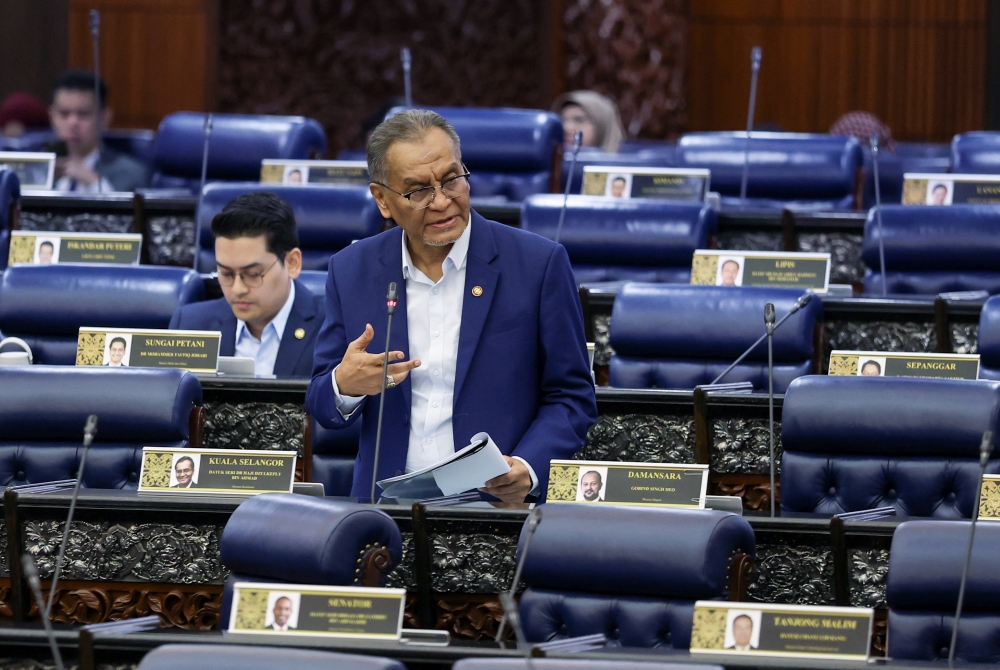
KUALA LUMPUR, Oct 6 — Mental health treatment in the country has demonstrated positive results, with 76 per cent of psychiatric patients under the Ministry of Health (MOH) successfully rehabilitated and reintegrated into the workforce as of June.
Health Minister Datuk Seri Dr Dzulkefly Ahmad said this achievement, realised through the Community Mental Health Centre (Mentari) vocational support programme, surpassed the ministry’s Key Performance Indicator (KPI) target of 60 per cent.
He noted that mental health treatment in the country focuses not merely on symptom reduction but emphasises functional rehabilitation to enable patients to live independently.
“Mental health treatment aims not only to alleviate symptoms but also to help patients resume their daily lives with their families and return to work. Through 39 Mentari centres nationwide, patients receive support such as rehabilitation, psychosocial assistance, and aid in returning to the workforce and achieving independence,” he said during the question-and-answer session in Dewan Rakyat today.
He said this in response to a question from Datuk Adnan Abu Hassan (BN-Kuala Pilah), who sought information on the indicators of treatment effectiveness at government facilities, the mechanisms for evaluating success, and the rate of patients returning for further treatment.
Dzulkefly added that the quality of MOH treatment is further evidenced by the psychiatric patient hospital readmission rate within a three-month period, which stood at 6.32 per cent well within the KPI target of keeping the rate below 25 per cent.
Meanwhile, responding to a supplementary question from Adnan regarding the potential use of cannabis extracts for mental health treatment, Dzulkefly said the Ministry of Health (MOH) is open to medical clinical research, provided it is backed by scientific evidence.
However, he emphasised that the MOH strongly rejects any approach to fully decriminalise the use of the substance, drawing lessons from the public health crisis previously experienced in Thailand. — Bernama
World Bank: Malaysia’s inflation among region’s lowest, but upstream cost pressures rising
Immigration D-G: Shuttered Pahang resort turned into 24-hour scam hub with Starlink and lookouts, 98 detained
Man returns hamster after CCTV footage of alleged pet shop theft in Pasir Gudang goes viral
Petra explains Sungai Golok project cost rise to RM601m in response to A-G report
截至 6 月,马来西亚 76% 的精神病患者通过卫生部的 Mentari 计划成功重返工作岗位。
该计划超出了卫生部的目标,不仅注重缓解症状,还注重功能康复,以帮助患者恢复独立生活能力。
该部对研究大麻提取物用于治疗持开放态度,但反对全面合法化,理由是存在健康风险。
吉隆坡,10 月 6 日讯——该国的精神健康治疗已取得积极成果,截至 6 月,卫生部 (MOH) 下属的 76% 精神病患者已成功康复并重新融入工作岗位。
卫生部长拿督斯里祖基菲里·艾哈迈德表示,通过社区心理健康中心(Mentari)职业支持计划取得的这一成就,超过了该部设定的 60% 的关键绩效指标(KPI)目标。
他指出,该国的精神健康治疗不仅注重减轻症状,而且强调功能康复,使患者能够独立生活。
“精神健康治疗的目的不仅在于缓解症状,还在于帮助患者恢复与家人的日常生活,重返工作岗位。通过遍布全国的39个Mentari中心,患者可以获得康复、心理社会援助以及重返工作岗位和实现独立生活等方面的支持,”他今天在国会下议院的问答环节中说道。
这是他在回答拿督阿德南·阿布·哈桑(国阵-瓜拉庇劳)的提问时说的。拿督阿德南·阿布·哈桑询问有关政府医疗机构治疗效果指标、评估成功率的机制以及患者返回接受进一步治疗的比例等信息。
祖基菲里补充说,卫生部治疗的质量还体现在精神病患者三个月内的再入院率上,该比率为 6.32%,远低于将再入院率控制在 25% 以下的关键绩效指标目标。
与此同时,针对阿德南提出的关于大麻提取物在精神健康治疗中潜在用途的补充问题,祖基菲里表示,卫生部对医学临床研究持开放态度,前提是必须有科学证据支持。
然而,他强调,卫生部坚决反对任何将该物质的使用完全合法化的方案,并吸取了泰国此前公共卫生危机的教训。——马新社
世界银行:马来西亚通胀率位居区域最低之列,但上游成本压力上升
移民局局长:彭亨州一家关闭的度假村变成24小时诈骗中心,设有星链和观景台,98人被拘留
巴西古当一家宠物店疑似发生盗窃案,监控录像走红网络后,一名男子归还了自己饲养的仓鼠。
针对审计署的报告,Petra解释了双溪哥乐项目成本上涨至6.01亿令吉的原因。