Singapore studying stronger safeguards for high-risk AI uses as systems grow more autonomous: Josephine Teo随着人工智能系统日益自主化,新加坡正在研究加强对高风险人工智能应用的保障措施:约瑟芬·张
There has been no reported cyber attack involving an unsupervised AI agent against Singapore government agencies so far.
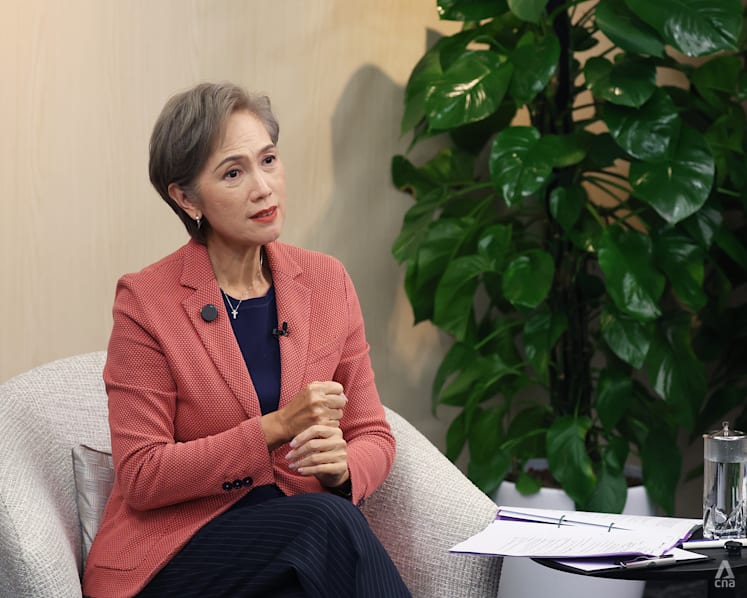
There has been no reported cyber attack involving an unsupervised AI agent against Singapore government agencies so far.
IBM Bob, an enterprise agentic AI software development platform from IBM. (Photo: IBM)
This audio is generated by an AI tool.
SINGAPORE: Singapore is studying whether new safety measures are needed in high-risk uses of artificial intelligence, as increasingly capable and autonomous AI systems create new risks that existing safeguards may not fully address.
In essential services and other higher-risk AI uses, these safeguards could include more rigorous testing, independently verifiable evidence that safety measures work, tighter controls on deployment and stronger regulatory oversight, Minister for Digital Development and Information Josephine Teo said in a written parliamentary response on Tuesday (Oct 6).
She added that Singapore would continue to enable AI innovation while taking a “risk-based and multi-layered approach”, which involves setting limits on AI deployment according to risk.
For example, before deploying an AI agent in the public service, the government considers what systems and data it can access, what it is allowed to do, and the consequences of unintended or unauthorised actions, said Mrs Teo.
CNA Games Guess Word Crack the word, one row at a time Buzzword Create words using the given letters Mini Sudoku Tiny puzzle, mighty brain teaser Mini Crossword Small grid, big challenge Word Search Spot as many words as you can Show More Show Less Singapore’s approach is to deliberately limit what AI agents can do and to presume that malicious actors will use AI to cause harm more cheaply, quickly and at scale, she said. She added that there has been no reported cyber attack against government agencies involving an unsupervised AI agent so far. The Cyber Security Agency of Singapore (CSA) and Government Technology Agency of Singapore (GovTech) use AI to strengthen the security of government systems and critical information infrastructure, said Mrs Teo. This includes identifying vulnerabilities and potential threats more quickly. CSA has also strengthened cybersecurity requirements for operators of critical information infrastructure, shared intelligence on active threats for them to take pre-emptive action, and given practical guidance to strengthen cyber defences and secure AI systems, she said. The government is also looking into how existing channels for reporting cyber incidents through CSA, GovTech and sector leads can be better leveraged to identify incidents involving AI, support remediation and improve safeguards. It is also looking into whether further coordination or reporting arrangements are needed, she said.
Singapore’s approach is to deliberately limit what AI agents can do and to presume that malicious actors will use AI to cause harm more cheaply, quickly and at scale, she said.
She added that there has been no reported cyber attack against government agencies involving an unsupervised AI agent so far.
The Cyber Security Agency of Singapore (CSA) and Government Technology Agency of Singapore (GovTech) use AI to strengthen the security of government systems and critical information infrastructure, said Mrs Teo.
This includes identifying vulnerabilities and potential threats more quickly.
CSA has also strengthened cybersecurity requirements for operators of critical information infrastructure, shared intelligence on active threats for them to take pre-emptive action, and given practical guidance to strengthen cyber defences and secure AI systems, she said.
The government is also looking into how existing channels for reporting cyber incidents through CSA, GovTech and sector leads can be better leveraged to identify incidents involving AI, support remediation and improve safeguards.
It is also looking into whether further coordination or reporting arrangements are needed, she said.
Mrs Teo said the government does not dismiss “catastrophic or even extinction-level” AI risks, nor assume that they will materialise.
Its approach is to monitor evidence closely, build technical capabilities to understand advanced AI systems, and work internationally on measures to address severe risks as the evidence develops.
To that end, the National AI Council provides the strategic direction on the nation’s broader approach to AI risks. Singapore also recently backed an international call by more than 20 world leaders for stronger safeguards around frontier AI.
Mrs Teo said the government also engages frontier AI developers for information and access to their models where appropriate.
“We currently do not make this a requirement, because access to a model by itself does not necessarily give a complete picture of the risks,” she said.
“A rigid requirement could even be counter-productive if it leads companies to limit their cooperation or information-sharing.
“Our preference is therefore to build strong collaborative relationships with frontier AI labs that encourage substantive and timely information-sharing.”
Mrs Teo added that as AI becomes more capable of acting on behalf of people, more robust safeguards must correspondingly be introduced, and the ability to understand emerging risks and respond to problems must be strengthened.
“This will help build trust in AI as a technology that serves the public good,” she said.
Get our pick of top stories and thought-provoking articles in your inbox
Stay updated with notifications for breaking news and our best stories
Join our channel for the top reads for the day on your preferred chat app
迄今为止,尚未有报道称新加坡政府机构遭到未经监督的人工智能代理发起的网络攻击。
IBM Bob,IBM公司推出的企业级智能体人工智能软件开发平台。(图片:IBM)
这段音频由人工智能工具生成。
新加坡:随着人工智能系统功能日益强大且自主性越来越强,其带来的新风险可能超出现有安全措施的应对范围,新加坡正在研究在人工智能的高风险应用领域是否需要新的安全措施。
数字发展及新闻部长杨莉明周二(10月6日)在一份书面国会答复中表示,在基本服务和其他高风险人工智能应用领域,这些保障措施可能包括更严格的测试、可独立验证的安全措施有效性证据、更严格的部署控制和更强有力的监管。
她补充说,新加坡将继续推动人工智能创新,同时采取“基于风险的多层次方法”,即根据风险设定人工智能部署的限制。
张女士表示,例如,政府在公共服务部门部署人工智能代理之前,会考虑它可以访问哪些系统和数据,它被允许做什么,以及意外或未经授权的行为的后果。
CNA游戏猜词游戏:逐行破解单词;流行词游戏:用给定的字母组成单词;迷你数独:小巧的谜题,强大的脑力挑战;迷你填字游戏:小方格,大挑战;单词搜索:尽可能多地找出单词。显示更多 显示更少 新加坡的做法是刻意限制人工智能代理的功能,并假定恶意行为者会利用人工智能以更低的成本、更快的速度和更大的规模造成危害,她说道。她补充说,迄今为止,尚未有涉及无人监管人工智能代理的针对政府机构的网络攻击报告。张女士表示,新加坡网络安全局 (CSA) 和新加坡政府科技局 (GovTech) 利用人工智能来加强政府系统和关键信息基础设施的安全。这包括更快地识别漏洞和潜在威胁。她还表示,CSA 加强了对关键信息基础设施运营商的网络安全要求,共享有关活跃威胁的情报,以便他们采取先发制人的行动,并提供切实可行的指导来加强网络防御和保护人工智能系统。她表示,政府也在研究如何更好地利用现有的网络安全事件报告渠道(例如CSA、GovTech和行业负责人),以识别涉及人工智能的事件,支持补救措施并改进安全保障。政府还在研究是否需要进一步的协调或报告机制。
她表示,新加坡的做法是刻意限制人工智能代理的功能,并假定恶意行为者会利用人工智能以更低的成本、更快的速度和更大的规模造成危害。
她补充说,迄今为止,还没有关于涉及不受监督的人工智能代理的针对政府机构的网络攻击的报道。
张女士表示,新加坡网络安全局 (CSA) 和新加坡政府科技局 (GovTech) 利用人工智能来加强政府系统和关键信息基础设施的安全。
这包括更快地识别漏洞和潜在威胁。
她表示,CSA 还加强了对关键信息基础设施运营商的网络安全要求,共享有关活跃威胁的情报,以便他们采取先发制人的行动,并提供了加强网络防御和保护人工智能系统的实用指导。
政府也在研究如何更好地利用现有的网络安全事件报告渠道(例如 CSA、GovTech 和行业领导机构)来识别涉及人工智能的事件,支持补救措施并改进安全保障。
她还表示,当局正在研究是否需要进一步的协调或报告安排。
张女士表示,政府既不忽视人工智能带来的“灾难性甚至灭绝性”风险,也不认为这些风险一定会发生。
其方法是密切监测证据,建立理解先进人工智能系统的技术能力,并随着证据的发展,在国际上合作采取措施应对严重风险。
为此,国家人工智能委员会为国家应对人工智能风险的整体战略提供了指导。新加坡近期也响应了20多位世界领导人提出的国际呼吁,要求加强对前沿人工智能的保障措施。
张女士表示,政府也会在适当情况下与前沿人工智能开发商接洽,以获取信息并获取其模型的使用权限。
“我们目前并未将此作为一项要求,因为仅凭获取模型本身并不一定能全面了解风险,”她说。
“如果一项僵化的要求导致公司限制合作或信息共享,那么它甚至可能适得其反。”
“因此,我们更倾向于与前沿人工智能实验室建立牢固的合作关系,以鼓励实质性和及时的信息共享。”
张女士补充说,随着人工智能越来越有能力代表人类行事,必须相应地引入更强有力的保障措施,并且必须加强理解新出现的风险和应对问题的能力。
“这将有助于建立人们对人工智能作为一项服务于公共利益的技术的信任,”她说。
订阅我们的邮件,即可获取精选热点新闻和引人深思的文章。
订阅通知,第一时间获取突发新闻和精彩报道。
加入我们的频道,即可在您常用的聊天应用上获取当日热门文章。