Tax-exempt taxpayers can opt to keep using e-invoices, says Liew刘先生表示,免税纳税人可以选择继续使用电子发票。
KUALA LUMPUR, Oct 7 —Approximately 160,000 taxpayers who have registered for e-Invoicing but are now exempted can choose whether to continue using the system or not.Deputy...
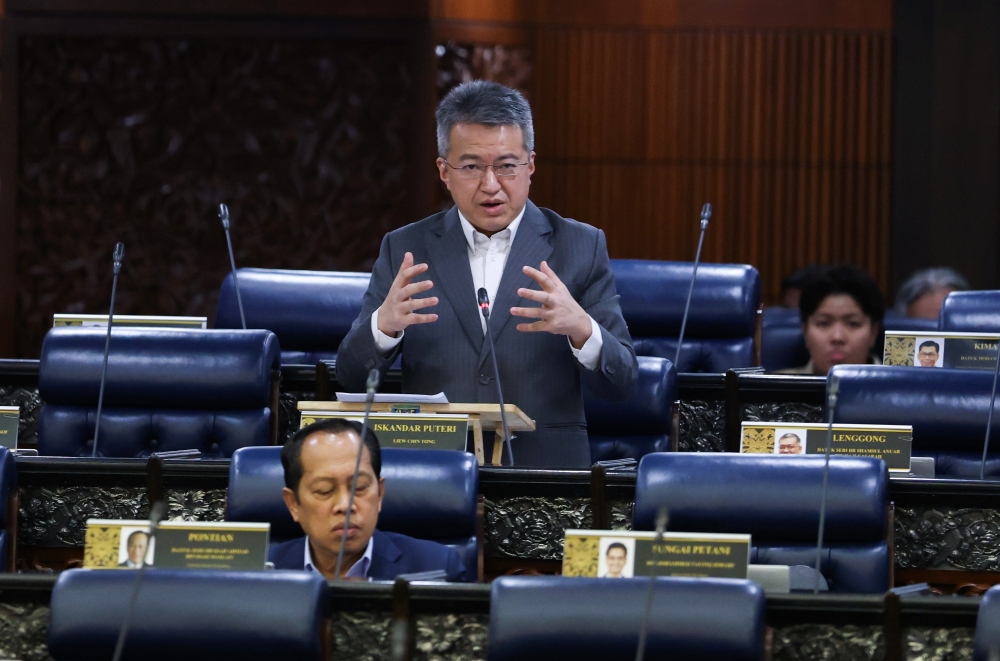
Approximately 160,000 taxpayers are exempt from e-Invoicing but can opt to continue its use.
From 1 September 2026, MSMEs with annual sales below RM3 million are not required to adopt e-Invoicing.
The government aims to ease bureaucratic burdens on MSMEs and already requires larger companies to implement e-Invoicing based on a tiered sales threshold since 1 August 2024.
KUALA LUMPUR, Oct 7 —Approximately 160,000 taxpayers who have registered for e-Invoicing but are now exempted can choose whether to continue using the system or not.
Deputy Finance Minister Liew Chin Tong said they are part of the 1.1 million taxpayers among micro, small and medium enterprises (MSMEs) with annual sales of RM3 million or below, who are now exempt from implementing e-Invoicing.
However, Liew said a total of 164,435 taxpayers in this category had opted to implement e-Invoicing voluntarily.
“They can choose to continue, or they can choose not to continue,” he said when answering a supplementary question in the Dewan Rakyat today.
He was responding to a supplementary question from Jimmy Puah Wee Tse (PH-Tebrau), who wanted to know the number of business entities or companies exempted from implementing e-Invoicing, as well as the estimated impact of the exemption on the country’s potential tax revenue.
Beginning Sept 1, 2026, the government announced that MSMEs with annual income or sales of less than RM3 million would not be required to implement e-Invoicing.
Liew said some of the challenges faced by MSMEs include tax compliance, the transition from physical stores to online platforms, and competition from other countries.
He said the government is taking and will continue to take steps to reduce the bureaucratic burden and ensure that MSMEs are not overburdened by e-Invoicing compliance requirements and other challenges they have faced following the Covid-19 pandemic.
Meanwhile, Liew said companies with annual sales exceeding RM100 million began implementing e-Invoicing on Aug 1, 2024, involving 5,578 taxpayers.
He said the implementation was subsequently expanded to companies with annual sales between RM25 million and RM100 million, involving 14,567 taxpayers; companies with sales between RM5 million and RM25 million, involving 51,710 taxpayers; and companies with sales between RM3 million and RM5 million, involving 25,503 taxpayers. — Bernama
Repatriation among key issues as Myanmar president arrives in Malaysia
Disputed Undang abandon case to depose Negeri Sembilan Yamtuan, cannot refile lawsuit
Melaka state election set for Nov 14 polling, Oct 31 nomination
约有 16 万纳税人免于使用电子发票,但可以选择继续使用。
从 2026 年 9 月 1 日起,年销售额低于 300 万令吉的中小微企业无需采用电子发票。
政府旨在减轻中小微企业的官僚负担,并已要求大型企业从 2024 年 8 月 1 日起根据分级销售额门槛实施电子发票。
吉隆坡,10 月 7 日讯——约 16 万名已注册电子发票但目前已获得豁免的纳税人可以选择是否继续使用该系统。
财政部副部长刘振东表示,他们是年销售额为 300 万令吉或以下的 110 万微型、小型和中型企业 (MSME) 纳税人的一部分,这些企业现在可以免于实施电子发票。
不过,刘先生表示,该类别中共有 164,435 名纳税人自愿选择实施电子发票。
“他们可以选择继续,也可以选择不继续,”他在今天国会下议院回答补充提问时说。
他是在回答吉米·普阿·维·谢(希望联盟-地不佬)的补充提问,吉米·普阿·维·谢想知道有多少企业实体或公司被豁免实施电子发票,以及该豁免对国家潜在税收收入的估计影响。
政府宣布,自 2026 年 9 月 1 日起,年收入或销售额低于 300 万令吉的中小微企业无需实施电子发票。
刘先生表示,中小微企业面临的一些挑战包括税务合规、从实体店向线上平台的转型以及来自其他国家的竞争。
他表示,政府正在并将继续采取措施,减轻中小微企业的官僚负担,确保它们不会因电子发票合规要求以及新冠疫情后面临的其他挑战而负担过重。
与此同时,刘先生表示,年销售额超过 1 亿令吉的公司从 2024 年 8 月 1 日起开始实施电子发票,涉及 5,578 名纳税人。
他表示,该政策随后扩大适用范围,涵盖年销售额在2500万令吉至1亿令吉之间的公司(涉及14567名纳税人)、年销售额在500万令吉至2500万令吉之间的公司(涉及51710名纳税人)以及年销售额在300万令吉至500万令吉之间的公司(涉及25503名纳税人)。——马新社
缅甸总统抵达马来西亚,遣返问题是关键议题之一。
有争议的Undang放弃废黜森美兰Yamtuan案,无法重新提起诉讼
马六甲州选举定于11月14日投票,提名日为10月31日。