Ex-pachinko decoy reveals how parlors faked massive payouts to lure gamblers前弹珠机诱饵揭露赌场如何伪造巨额赔付以引诱赌徒
Decoys are planted at specific pachinko machines to hit massive, pre-arranged jackpots to trick regular customers into believing a parlor is paying out
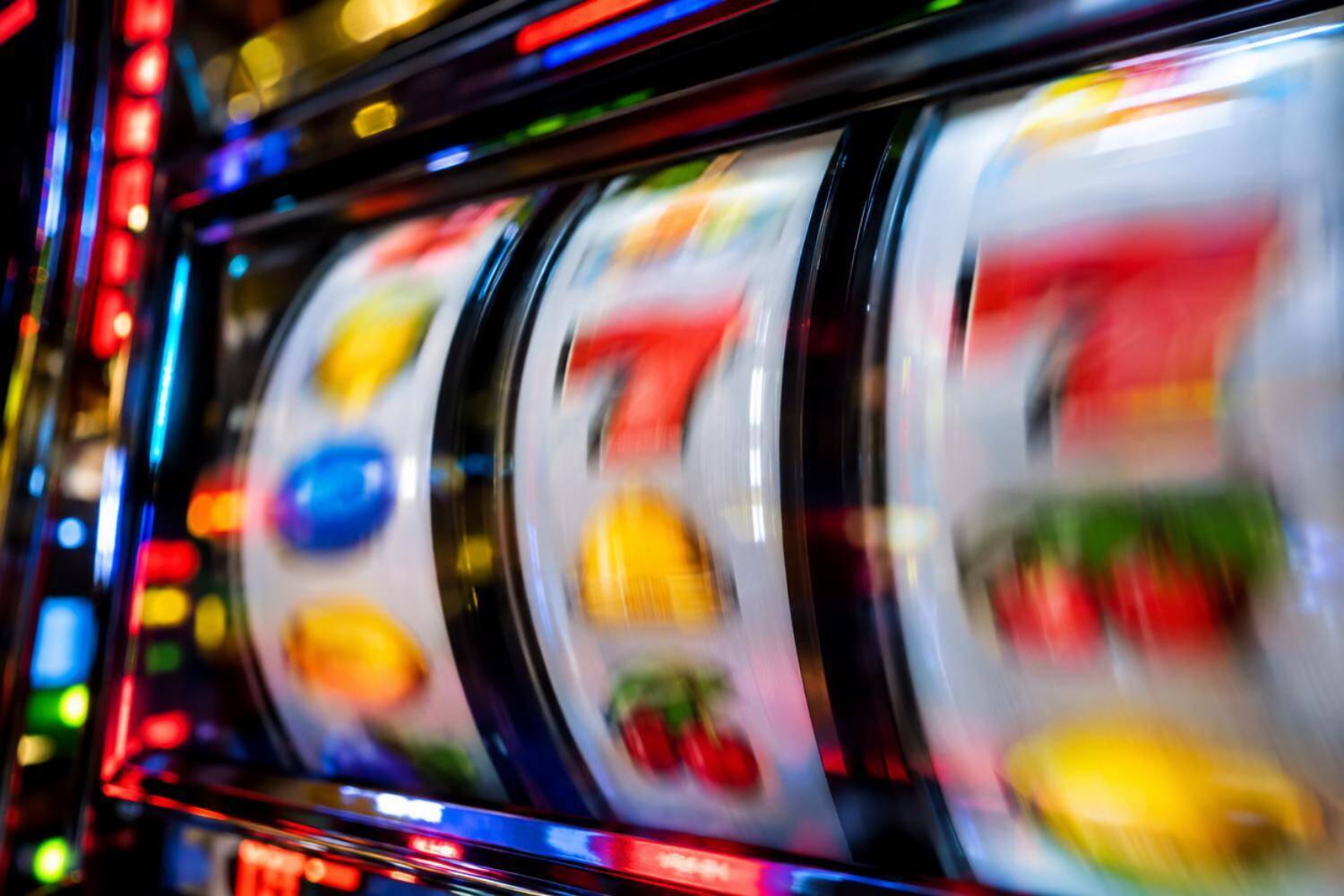
TOKYO (TR) – It has long been treated as an urban legend in Japan’s gambling underworld: sakura , or paid decoys, planted at specific pachinko machines to hit massive, pre-arranged jackpots to trick regular customers into believing a parlor is paying out.
But for one man, deceiving gamblers wasn’t a myth — it was a highly lucrative day job.
Kyoji Takeda (a pseudonym), a factory worker now in his 40s, tells Nikkan Spa! that he spent his early twenties operating as a professional decoy for pachinko and pachislot parlors. During the interview about his clandestine role, Takeda revealed how organized groups conspired with parlors to manipulate the psychological weaknesses of ordinary gamblers.
An insider reveals how organized groups conspire with parlors to manipulate the psychological weaknesses of ordinary gamblers (X)
Takeda was an ordinary, losing gambler until one night in 2002, when an older acquaintance—an executive in a group of sakura—called him with a sudden offer: “Do you want to do a little part-time job?”
The terms were highly lucrative. Takeda was guaranteed a base daily wage of 15,000 yen, with a tiered bonus system depending on how much he won from the rigged machines. If a machine paid out an extra 100,000 to 150,000 yen, he received a 10,000 yen bonus. Profits exceeding 200,000 yen earned him a 20,000 yen bonus.
The operations were strictly controlled to avoid exposing the scam to regular customers or clueless floor staff.
Teams of four to five
Working three to four days a week in teams of four or five, the decoys were forbidden from interacting with each other inside the parlor. All communication was done via text message.
“To prevent information leaks, we weren’t told the location of the parlor until the day before or two days prior,” Takeda said. “We were also instructed to avoid wearing flashy clothes so we wouldn’t look suspicious.”
Once inside, Takeda required no actual gambling skill. He was simply directed by his boss to sit at a specific machine number that the parlor had pre-programmed for a high payout.
Lacked actual gambling skills
During his peak, Takeda’s most successful single run yielded over 20,000 medals — a payout of over 400,000 yen. Takeda walked away with his 15,000 yen base pay and a 40,000 yen bonus for the day’s work.
Averaging a monthly income of 300,000 to 400,000 yen as a decoy, Takeda quit his regular job at an izakaya restaurant. Yet, in a twist, the man hired to exploit gambling addiction fell victim to it himself. Because he lacked actual gambling skills, Takeda spent his off-days playing slot machines with his own money, frequently losing half or more of his illicit earnings.
Takeda eventually abandoned the sakura underworld after three years. By the mid-2000s, government regulators began cracking down on highly addictive “Type 4” slot machines capable of explosive payouts. As parlors transitioned to lower-payout machines, the demand for decoys plummeted.
“I was getting into my mid-twenties, and it wasn’t a job you could proudly tell people about,” Takeda admitted. “Anyone looking closely would know it was sketchy.”
The era of massive payouts and rampant decoys has faded in tandem with the pachinko industry itself. According to the National Police Agency, the number of pachinko and slot parlors peaked at 18,244 in 1995. By the end of 2025, that number is projected to plummet to just 6,464.
Yet, the psychological trap that sakura helped pioneer remains a stark reality. According to a 2023 Ministry of Health, Labour and Welfare survey, an estimated 1.7 percent of Japanese adults are suspected of suffering from gambling addiction—many still chasing the illusion of the jackpot overflowing at the machine next to them.
Published in News and Tabloid
Russian hacker connected to Qilin nabbed in Osaka, extradited to Germany Russian hacker connected to Qilin nabbed in Osaka, extradited to Germany
Tokyo bar owner accused of dumping girlfriend’s corpse claimed he was visiting hot springs Tokyo bar owner accused of dumping girlfriend’s corpse claimed he was visiting hot springs
Yoshiwara soapland bathhouse operators accused of prostitution Yoshiwara soapland bathhouse operators accused of prostitution
Yakuza boss arrested for illegally operating Chiba beach house Yakuza boss arrested for illegally operating Chiba beach house
东京(TR)——在日本赌博黑社会,这长期以来一直被视为一个都市传说:在特定的弹珠机旁安插“樱花”(sakura),也就是付费的诱饵,以赢得预先安排好的巨额奖金,从而欺骗常客,让他们相信赌场真的在派彩。
但对某个人来说,欺骗赌徒并非虚构——而是一份收入颇丰的日常工作。
现年四十多岁的工厂工人武田恭二(化名)告诉《日刊Spa!》,他二十出头时曾在弹珠机和老虎机厅做过职业诱饵。在采访中,武田揭露了有组织的团伙如何与赌场勾结,利用普通赌客的心理弱点进行操纵。
一位知情人士揭露了有组织的团伙如何与赌场勾结,利用普通赌徒的心理弱点进行操纵(X)
武田原本是一个普通的输钱赌徒,直到 2002 年的一个晚上,一位年长的熟人——樱花集团的一位高管——突然打电话给他,提出一个建议:“你想做一份兼职吗?”
这份工作的条件非常优厚。武田每天的基本工资是15000日元,外加根据他在作弊机器上的盈利情况而定的分级奖金。如果一台机器额外支付了10万到15万日元,他就能获得1万日元的奖金。盈利超过20万日元,他还能额外获得2万日元的奖金。
为了避免让普通顾客或不知情的店员发现骗局,所有操作都受到严格控制。
四至五人一组
这些诱饵每周工作三到四天,每组四到五人,他们被禁止在客厅内互相接触。所有沟通都通过短信进行。
“为了防止信息泄露,我们直到前一天或前两天才被告知美容院的具体位置,”武田说。“我们也被告知不要穿过于花哨的衣服,以免引起怀疑。”
进入赌场后,武田并不需要任何赌博技巧。他的老板只是指示他坐在赌场预先设定好的、赔率最高的机器前。
缺乏实际的赌博技巧
在武田的巅峰时期,他单次参赛最成功一次就获得了超过2万枚奖牌——奖金超过40万日元。武田当天除了1.5万日元的基本工资外,还获得了4万日元的奖金。
武田作为诱饵,每月平均收入30万至40万日元,为此他辞去了居酒屋的正式工作。然而,出人意料的是,这个受雇利用赌瘾的人自己却也染上了赌瘾。由于缺乏真正的赌技,武田只能在休息日用自己的钱玩老虎机,经常输掉一半甚至更多的非法所得。
武田在经营樱花赌场三年后最终放弃了这个地下世界。到了2000年代中期,政府监管机构开始严厉打击那些能带来巨额奖金、极易上瘾的“4型”老虎机。随着赌场逐渐转向赔率较低的机器,对诱饵的需求也急剧下降。
“我当时快三十岁了,那份工作实在没什么值得骄傲的,”武田坦言,“任何稍加留意的人都会知道那份工作很不正规。”
随着弹珠机行业本身的衰落,巨额奖金和铺天盖地的诱饵也随之消逝。据日本国家警察厅统计,弹珠机和老虎机场所的数量在1995年达到顶峰,为18244家。预计到2025年底,这一数字将骤降至仅6464家。
然而,樱花所开创的这种心理陷阱仍然是一个残酷的现实。根据日本厚生劳动省2023年的一项调查,估计有1.7%的日本成年人疑似患有赌瘾——许多人仍在追逐着身旁老虎机里巨额奖金的幻象。
刊登于《新闻与小报》
与麒麟黑客组织有关联的俄罗斯黑客在大阪被捕,并被引渡到德国。
东京一家酒吧老板被控抛尸女友尸体,他声称自己当时正在泡温泉。
吉原泡泡浴店经营者被控卖淫 吉原泡泡浴店经营者被控卖淫
黑帮老大因非法经营千叶海滩别墅被捕