Pakistan aims to boost defense exports with new government body巴基斯坦计划通过新政府机构促进国防出口。
Pakistan wants to bolster its arms exports through a new government body meant to attract foreign direct investment and ease the manner of doing business.
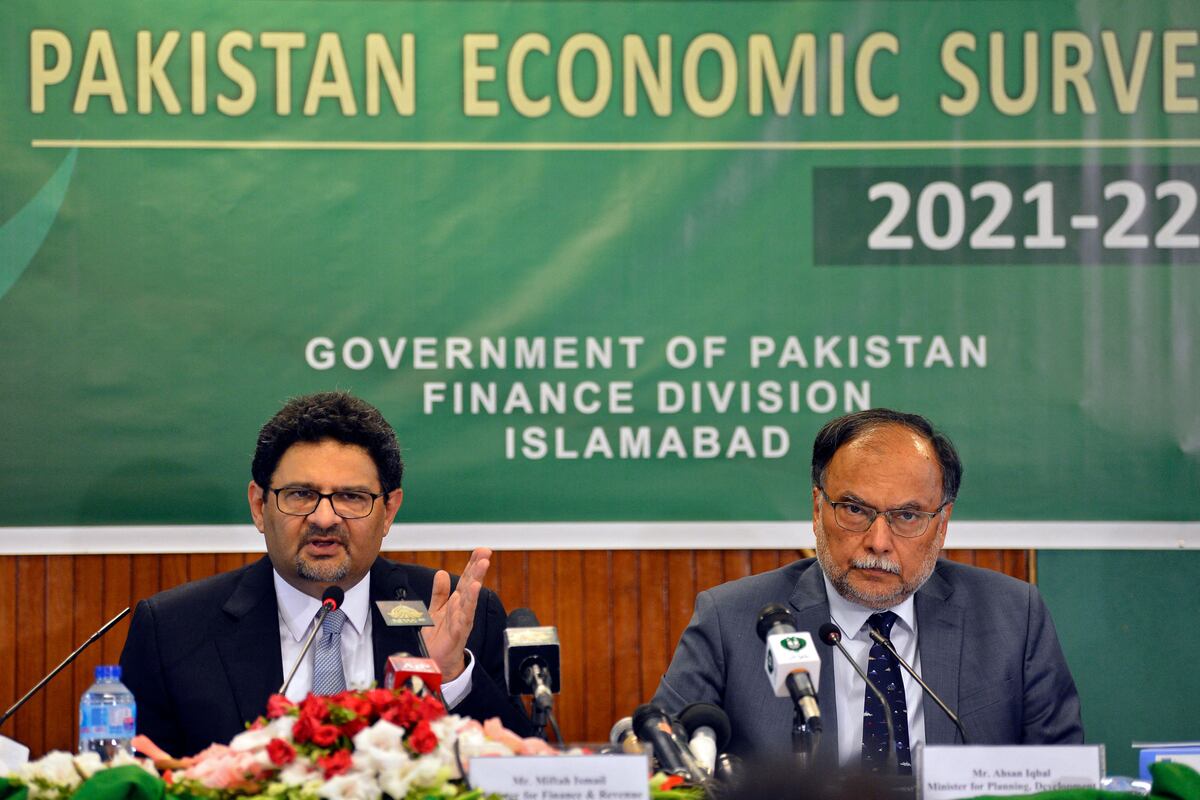
ISLAMABAD — Pakistan intends to bolster its arms exports through a new government body meant to attract foreign direct investment and ease the manner of doing business, according to Federal Planning Minister Ahsan Iqbal.
A key aspect of this approach was to use a single body, instead of multiple organizations, in order to cut down red tape.
Iqbal spoke Wednesday at a news conference in Pakistan about the the Special Investment Facilitation Council, or SIFC, which was formed in June to establish economic policies to “ensure policy predictability, continuity and effective implementation to revive the economy.”
Alongside defense production, SIFC will also focus on agricultural, energy, information technology, minerals and mining sectors.
Defense manufacturing is handled by the Ministry of Defence Production, which previously proposed similar measures to boost private sector participation.
A spokeswoman with the ministry told Defense News that the local defense sector is “considering joint projects and collaborations with international partners in government-to-government and business-to-business models. She also said private sector startups would be “facilitated through [a] one-window approach .”
The spokeswoman declined to provide additional details of the SIFC proposal or what has already been done in this regard, instead directing Defense News to the SIFC Secretariat.
Fida Muhammad Khan, an analyst and lecturer at the Pakistan Institute of Development Economics think tank, expressed skepticism of the SIFC endeavor.
Claiming regulatory bodies “don’t solve problems,” he highlighted the large number that previously existed and primarily served to put pressure on the exchequer. He also said SIFC is likely to be “hijacked” by military personnel on deputation to them.
He also questioned what the existing Defence Export Promotion Organisation — which claims to “provide active support to our defence manufacturing/service sector and the export chain” — has done to date, and noted bodies already exists to promote defense exports, including the Defence Production and Foreign Affairs ministries, the Pakistan Aeronautical Complex, the Pakistan Ordnance Factories, and Heavy Industries Taxila.
Pakistan should look to France as an example, he added, as the president there travels extensively in support of defense deals — something Pakistan’s political leadership should do to demonstrate similar commitment in an environment of quid pro quo arrangements and incentives.
The analyst also recommended a wider effort involving economists, social scientists and think tanks to ensure policy is informed by research and specialists, as well as a looser grip by the state on the defense industry in order to attract new investments.
Usman Ansari is the Pakistan correspondent for Defense News.
伊斯兰堡——据联邦计划部长阿赫桑·伊克巴尔称,巴基斯坦计划通过一个新的政府机构来加强其武器出口,该机构旨在吸引外国直接投资并简化经商方式。
这种方法的一个关键方面是使用单一机构而不是多个组织,以减少繁文缛节。
伊克巴尔周三在巴基斯坦举行的新闻发布会上谈到了特别投资促进委员会(SIFC),该委员会于6月成立,旨在制定经济政策,“确保政策的可预测性、连续性和有效实施,以振兴经济”。
除了国防生产外,SIFC还将重点关注农业、能源、信息技术、矿产和采矿领域。
国防制造由国防生产部负责,该部此前曾提出过类似的措施来促进私营部门的参与。
该部一位发言人告诉《防务新闻》,当地国防部门正在“考虑与国际伙伴开展政府间和企业间合作的联合项目”。她还表示,将“通过一站式服务”为私营企业创业者提供便利。
发言人拒绝提供有关 SIFC 提案的更多细节,或在这方面已经做了哪些工作,而是建议《防务新闻》联系 SIFC 秘书处。
巴基斯坦发展经济研究所智库的分析师兼讲师菲达·穆罕默德·汗对SIFC的努力表示怀疑。
他声称监管机构“解决不了问题”,并强调此前存在大量监管机构,而这些机构的主要作用是向财政部门施压。他还表示,新加坡国际金融中心(SIFC)很可能被借调到该中心的军方人员“劫持”。
他还质疑现有的国防出口促进组织(该组织声称“为我们的国防制造/服务部门和出口链提供积极支持”)迄今为止做了什么,并指出已经存在一些机构来促进国防出口,包括国防生产部和外交部、巴基斯坦航空工业集团、巴基斯坦兵工厂和塔克西拉重工业公司。
他补充说,巴基斯坦应该以法国为榜样,因为法国总统经常出访以支持国防交易——巴基斯坦的政治领导层也应该这样做,以在互惠互利安排和激励措施的环境中展现类似的承诺。
该分析师还建议扩大经济学家、社会科学家和智库的参与范围,以确保政策制定以研究和专家意见为依据,并建议国家放松对国防工业的控制,以吸引新的投资。
乌斯曼·安萨里是《防务新闻》驻巴基斯坦记者。