Swedish, Polish firms invest in TNT plants to quench Europe’s ammo thirst瑞典和波兰公司投资TNT工厂,以满足欧洲对弹药的需求。
Swebal’s new factory is to have the capacity to produce more than 4,000 metric tons of TNT annually. Russia is estimated to make 50,000 tons per year.
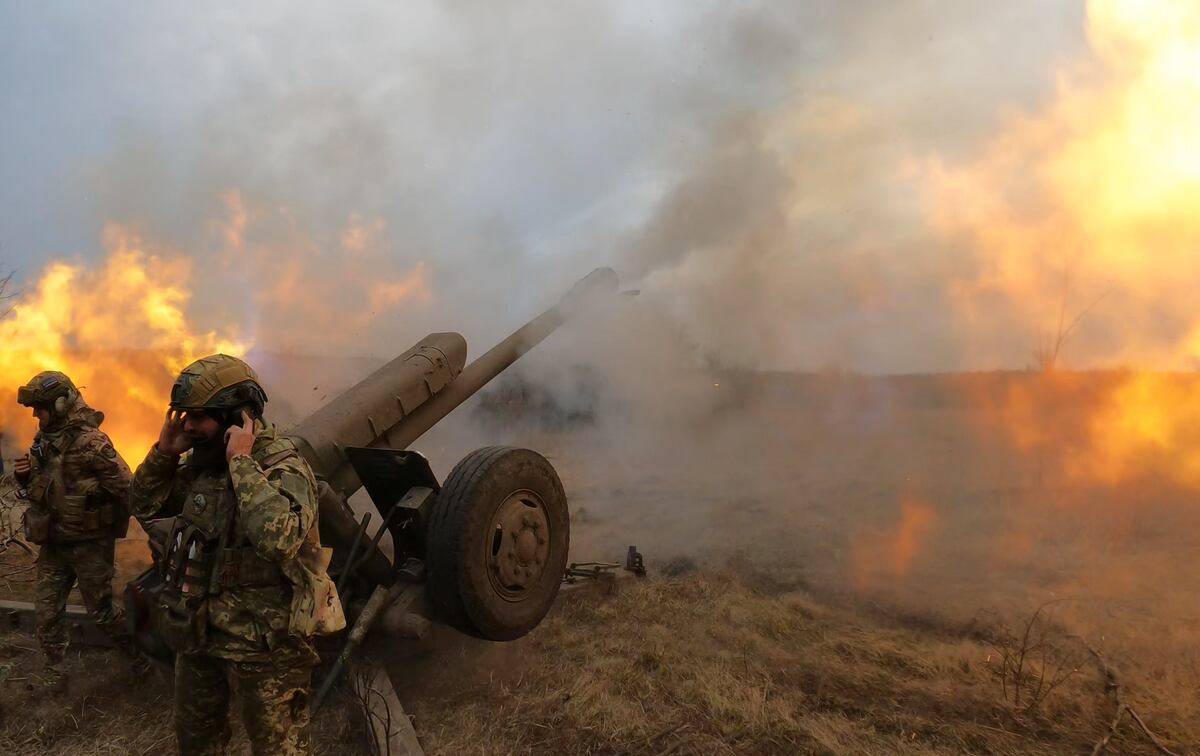
WARSAW, Poland — Swedish company Swebal is building the first trinitrotoluene (TNT) factory to be opened in Sweden since the end of the Cold War, aiming to expand the European-made supply of a key explosive input used to make ammunition.
Meanwhile, the continent’s only major TNT plant in Poland is investing to boost its production capacity.
With Russia’s manufacturing capabilities dwarfing Europe’s output and the Iran war creating new supply chain bottlenecks, European players should invest in expanding their explosive manufacturing capabilities, Joakim Sjöblom, the co-founder and chief executive of Swebal, told Defense News.
“As the Cold War was ending, we had seven major TNT plants in Europe. Today, there is only one such factory, operated by Nitro-Chem in Poland. This is far below European needs, and it makes the investment that Swebal is advancing in Sweden an element of a much-needed surge in Europe’s production capacities,” Sjöblom said.
Under the European Union’s Act in Support of Ammunition Production (ASAP) , the bloc’s member states were to reach a production capacity of 2 million artillery shells annually by the end of 2025. However, in the CEO’s view, while NATO and EU calculations of European production capacities focus on how many rounds the continent’s producers can assemble, looking at this figure alone does not give a full picture.
“We need to look at the available supply of rare earth metals which is dominated by Chinese suppliers, semiconductors from Taiwanese companies, and also Asian energetic materials on which European companies depend so much,” according to Sjöblom.
The ongoing tensions around the Strait of Hormuz that have been triggered by the Iran war are a reminder that Europe’s long-distance dependency on imports is a serious vulnerability for its defense industries, he said.
“The existing raw material supply chains are not sufficient for Europe to build up its ammunition stockpiles, and this creates a need to develop new TNT factories. The entire supply chain must be scaled up, not only the supply of final products,” Sjöblom said. “Currently, there are advanced projects to produce TNT in Sweden, Finland and Greece.”
Under the plan, Swebal’s new factory is to have the capacity to produce more than 4,000 metric tons of TNT annually, and production is to be launched in 2028. In comparison, Russia is estimated to make more than 50,000 tons of TNT per year, according to data from Swebal.
“The Russian industry produces large quantities of TNT and uses them to arm Shahed-type drones that it attacks targets in Ukraine with. In Europe, we have spent many years depending on imports from Asia, but this generates risks that undermine European security,” the CEO said. “The trend now is to buy as much as possible from European sources, and we are seeing a very high interest in our factory under construction from Europe’s defense companies.”
Swebal estimates the majority of its plant’s future TNT output, at around 70 percent, will be sold to producers of missiles and artillery ammunition including 155mm shells. A number of European countries are in the process of accommodating new factories that will produce this caliber. The remainder of the Swedish factory’s TNT production will be delivered to producers of drones and mines, according to Sjöblom.
Nitro-Chem is a subsidiary of Polish state-run defense giant PGZ. Amid a growing European demand for explosives, in March 2026, Nitro-Chem signed a deal to open a second TNT production unit at its plant in Bydgoszcz, in Poland’s west.
“We are observing a clear increase in other countries’ interest in TNT, and the efforts to build a second production unit will allow us to efficiently respond to these needs while strengthening Poland’s security and industrial independence,” Arkadiusz Miszuk, the chief executive of Nitro-Chem, was quoted in a March 18 statement.
In addition to supplying explosives to the Polish defense industry, Nitro-Chem says it exports its wares to countries such as the United States, Germany, the United Kingdom, France and Ukraine, among others.
Jaroslaw Adamowski is the Poland correspondent for Defense News.
波兰华沙——瑞典公司 Swebal 正在建造冷战结束后瑞典第一家三硝基甲苯 (TNT) 工厂,旨在扩大欧洲制造的关键爆炸物原料的供应,这种原料用于制造弹药。
与此同时,位于波兰的欧洲大陆唯一的TNT大型工厂正在投资以提高其产能。
Swebal 联合创始人兼首席执行官 Joakim Sjöblom 告诉《防务新闻》,鉴于俄罗斯的制造能力远超欧洲的产量,加上伊朗战争造成了新的供应链瓶颈,欧洲企业应该投资扩大其爆炸物制造能力。
“冷战结束时,欧洲有七家大型TNT工厂。如今,只剩下一家,由波兰的Nitro-Chem公司运营。这远远低于欧洲的需求,因此,Swebal在瑞典推进的投资对于欧洲亟需的产能提升至关重要,”Sjöblom说道。
根据欧盟《支持弹药生产法案》(ASAP),欧盟成员国应在2025年底前达到每年200万发炮弹的生产能力。然而,首席执行官认为,尽管北约和欧盟对欧洲生产能力的计算侧重于欧洲生产商能够组装多少发炮弹,但仅凭这一数字并不能全面了解情况。
Sjöblom 表示:“我们需要关注稀土金属的供应情况,目前稀土金属主要由中国供应商提供;半导体主要由台湾公司提供;此外,欧洲公司非常依赖亚洲的能源材料。”
他表示,伊朗战争引发的霍尔木兹海峡持续紧张局势提醒人们,欧洲对进口的长期依赖是其国防工业的一个严重弱点。
“现有的原材料供应链不足以满足欧洲建立弹药储备的需求,这就需要新建TNT工厂。整个供应链都需要扩大规模,而不仅仅是最终产品的供应,”舍布洛姆说。“目前,瑞典、芬兰和希腊都有TNT生产项目的进展顺利。”
根据该计划,斯韦巴尔公司的新工厂每年将有能力生产超过4000公吨TNT,并于2028年投产。相比之下,根据斯韦巴尔公司的数据,俄罗斯每年估计生产超过5万吨TNT。
“俄罗斯工业大量生产TNT,并用其武装‘沙赫德’型无人机,用于袭击乌克兰境内的目标。在欧洲,我们多年来一直依赖从亚洲进口,但这会带来损害欧洲安全的风险,”首席执行官表示。“现在的趋势是尽可能多地从欧洲采购,我们看到欧洲国防企业对我们正在建设的工厂表现出了极大的兴趣。”
斯韦巴尔公司估计,其工厂未来TNT产量的绝大部分(约70%)将出售给导弹和炮弹生产商,其中包括155毫米炮弹。一些欧洲国家正在建设生产这种口径炮弹的新工厂。据西约布洛姆称,这家瑞典工厂剩余的TNT产量将交付给无人机和地雷生产商。
Nitro-Chem是波兰国营国防巨头PGZ的子公司。随着欧洲对炸药的需求不断增长,2026年3月,Nitro-Chem签署了一项协议,将在其位于波兰西部比得哥什的工厂开设第二条TNT生产线。
Nitro-Chem 首席执行官 Arkadiusz Miszuk 在 3 月 18 日的一份声明中表示:“我们注意到其他国家对 TNT 的兴趣明显增加,建设第二个生产装置的努力将使我们能够有效地应对这些需求,同时加强波兰的安全和工业独立。”
除了向波兰国防工业供应炸药外,Nitro-Chem 表示,其产品还出口到美国、德国、英国、法国和乌克兰等国家。
Jaroslaw Adamowski 是《防务新闻》驻波兰记者。