Skies are clearing, but weeks indoors can mess with your head: Experts say don’t brush off the signs天空正在放晴,但几周的室内生活可能会影响你的精神状态:专家说不要忽视这些迹象。
KUALA LUMPUR, Oct 26 — With haze conditions continue to affect parts of the country, mental health experts warn that spending prolonged periods indoors can take a toll on...
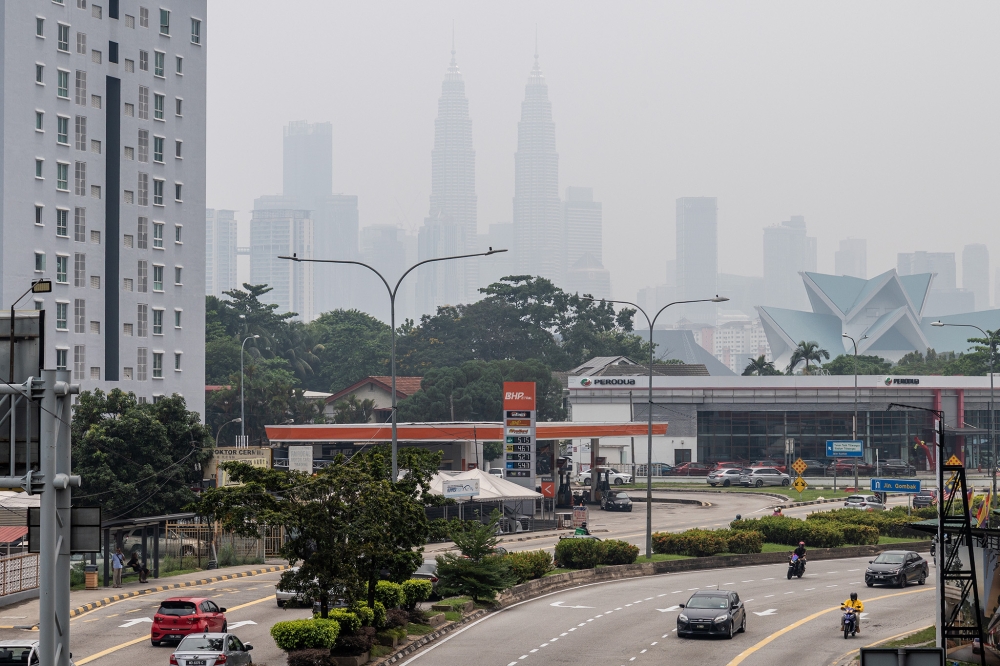
The prolonged haze in Kuala Lumpur since August is impacting mental health, with experts noting that being confined indoors can lead to frustration, irritability, and feelings of isolation.
The lack of outdoor activities and reduced social interactions may disrupt routines, affecting mood, sleep, and emotional wellbeing.
Vulnerable groups include children, older adults, and individuals with pre-existing health conditions, who may experience heightened distress.
Experts recommend maintaining routines, engaging in indoor activities, and seeking professional help if emotional difficulties persist to safeguard mental health during this period.
KUALA LUMPUR, Oct 26 — With haze conditions continue to affect parts of the country, mental health experts warn that spending prolonged periods indoors can take a toll on mental health and overall wellbeing.
With the haze persisting since early August, many people have become reluctant to engage in outdoor activities, while some have even cancelled social gatherings and cut back on their usual social interactions.
However, these seemingly minor changes, such as avoiding outdoor activities and cancelling social plans, can gradually disrupt people’s daily routines and behaviour, potentially affecting their mood, sleep and overall wellbeing.
Experts, who spoke to Malay Mail , believe that prolonged periods indoors may contribute to frustration, irritability, anxiety, low mood and feelings of isolation.
The toll on mental health
Brian John Dorai, a registered counsellor and senior lecturer in the School of Education, Humanities and Social Sciences at Wawasan Open University, said prolonged haze and indoor confinement can significantly disrupt emotional stability.
“Psychologically, the lack of fresh air and environmental freedom triggers feelings of claustrophobia, irritability, and sometimes even cabin fever, often amplifying anxiety and low mood due to a sense of being trapped, especially for those who dare not open their windows and doors due to anxiety related to the haze,” he said.
He said people may experience behavioural changes when the haze persists for several days or weeks.
“Individuals often exhibit heightened irritability, lethargy, loss of motivation, restlessness, increased screen time, and a tendency to withdraw socially even within the household, when haze persists for weeks,” he said.
Less daylight and exercise can disrupt sleep
Brian also said reduced physical activity, exposure to natural daylight and social interaction could affect sleep and emotional wellbeing.
“Cutting back on physical movement lowers endorphin levels, while reduced natural sunlight disrupts circadian rhythms and vitamin D synthesis, directly impairing sleep architecture, energy levels, and emotional regulation,” he said.
He explained that poor sleep resulting from these disruptions could affect concentration, productivity, mood and the ability to regulate emotions.
“Sleep fragmentation severely compromises executive functions, leading to poor concentration, reduced workplace and academic productivity, heightened emotional reactivity, and a diminished capacity to self-regulate mood,” he said.
Similarly, Universiti Malaya senior medical lecturer and public health medicine specialist Dr Bala Murali Sundram said inadequate or disrupted sleep could impair attention, memory, decision-making and emotional regulation.
“Individuals may become more irritable, less productive and less able to manage everyday stress.
“From an occupational health perspective, poor sleep can also increase fatigue-related errors, reduce work performance and potentially compromise workplace safety, particularly among shift workers and employees performing safety-sensitive tasks,” he said.
Poor air quality linked to mental health changes
Dr Bala also pointed to scientific evidence linking poor air quality to changes in mental health.
“Epidemiological studies have found associations between exposure to air pollutants, particularly fine particulate matter (PM2.5), increased the risks of depression and anxiety.
“A 2026 systematic review and meta-analysis involving 81 studies reported associations between both short- and long-term air pollution exposure and depression and anxiety.
“Possible biological mechanisms include systemic inflammation, oxidative stress and neuroinflammatory processes affecting the brain,” he said.
PM2.5 refers to microscopic airborne particulate matter with a diameter of 2.5 micrometres or less.
Common sources of PM2.5 include vehicle exhaust, factory emissions, power plant combustion, open waste burning, and dust.
However, Dr Bala said most of the available evidence was observational, meaning a direct cause-and-effect relationship had yet to be established.
He added that the psychological effects of haze were likely caused by a combination of factors, including exposure to air pollution and indirect effects such as reduced physical activity, disrupted routines and social isolation.
Who is most vulnerable during prolonged haze
Dr Bala said several groups were particularly vulnerable to the effects of prolonged haze, with their level of risk influenced not only by their health status but also by their socioeconomic circumstances and access to protective resources.
These groups include:
Children and adolescents: Disruptions to play, schooling, physical activity and social interaction may affect their emotional and behavioural wellbeing.
Older adults: Those with limited mobility or social support may be more susceptible to isolation.
People with existing mental health conditions: Changes in daily routines, sleep patterns and access to support may aggravate their symptoms.
People with chronic respiratory or cardiovascular diseases: Physical symptoms and concerns about their health deteriorating may increase psychological distress.
Outdoor workers and lower-income households: Occupational exposure, limited access to cleaner indoor environments and difficulties in changing working arrangements may contribute to additional stress.
How parents can help children cope with restricted outdoor activities
Experts agreed that suddenly restricting children from participating in outdoor activities could affect their ability to regulate their emotions, as they may struggle to adjust to abrupt changes in their daily routines.
Dr Hilwa Abdullah Mohd Nor, a senior lecturer and clinical psychologist at Universiti Kebangsaan Malaysia, said parents play an important role in acknowledging their children’s feelings, maintaining routines and offering alternative ways for them to play, learn and connect with others.
“Children may not always have the language to explain their frustration or disappointment.
“Instead, they may become irritable, clingy, restless or more argumentative.
“Parents should recognise that these behaviours may reflect difficulty adapting to a disrupted routine rather than deliberate misbehaviour,” she said.
Dr Hilwa also suggested that age-appropriate indoor activities, such as drawing, board games, reading, building activities, indoor movement games and creative projects, could help children cope with the restrictions.
“Parents can also maintain children’s social connections through phone or video calls with friends and relatives,” she added.
She said it was also important for parents to explain the haze to their children using simple and reassuring language.
“For example, parents might say that the air outside is unhealthy at the moment, so the family is staying indoors to protect everyone’s health.
“Children should be given opportunities to ask questions without being unnecessarily frightened by the situation,” she said.
When to seek professional help
Dr Hilwa said people should not dismiss emotional difficulties as temporary stress if their symptoms become persistent, intense or begin to interfere with their daily lives.
She said professional support from a clinical psychologist or other qualified mental health professional may be necessary when emotional difficulties worsen or affect work, studies, relationships, sleep or daily responsibilities.
Some warning signs include losing interest in activities they previously enjoyed, excessive anxiety, persistent sleep problems, significant behavioural changes or difficulty coping with everyday demands.
She said people with existing mental health conditions should also seek support if their symptoms deteriorate or their usual coping strategies are no longer effective.
“For children and adolescents, parents should seek professional guidance if changes in mood, behaviour, sleep or daily functioning persist or become concerning, rather than waiting for the situation to resolve on its own,” she added.
Dr Hilwa stressed that seeking psychological support should not be viewed as an inability to cope, but as a proactive step towards protecting one’s mental health.
“Just as we take precautions to protect our physical health during haze, we should recognise psychological wellbeing as an equally important part of overall health,” she said.
Your aircon isn’t cleaning your air, and bowls of water won’t either: What haze does indoors
Mislabelled palm oil blends could hurt Malaysia’s reputation abroad, Maritime experts say
Zahid, national leaders extend congratulations to Sultan of Selangor on silver jubilee
Sanusi: GE16 will be Pakatan’s last term in Putrajaya and Perikatan’s final term as Opposition
自八月以来,吉隆坡持续的雾霾正在影响人们的心理健康,专家指出,长时间待在室内会导致沮丧、易怒和孤独感。
户外活动的缺乏和社交互动的减少可能会扰乱日常生活,影响情绪、睡眠和情感健康。
弱势群体包括儿童、老年人和患有既往疾病的人,他们可能会经历更大的痛苦。
专家建议,在此期间应保持规律作息,参与室内活动,如果情绪问题持续存在,应寻求专业帮助,以维护心理健康。
吉隆坡,10月26日讯——由于雾霾天气持续影响该国部分地区,心理健康专家警告说,长时间待在室内会对心理健康和整体幸福感造成影响。
自 8 月初以来,雾霾持续不断,许多人都不愿进行户外活动,有些人甚至取消了社交聚会,减少了日常的社交活动。
然而,这些看似微小的变化,例如避免户外活动和取消社交计划,可能会逐渐扰乱人们的日常生活和行为,进而影响他们的情绪、睡眠和整体健康。
接受《马来邮报》采访的专家认为,长时间待在室内可能会导致沮丧、易怒、焦虑、情绪低落和孤独感。
对心理健康的影响
瓦瓦桑开放大学教育、人文和社会科学学院的注册咨询师兼高级讲师布莱恩·约翰·多莱表示,长时间的雾霾和室内禁闭会严重扰乱情绪稳定。
他说:“从心理上讲,缺乏新鲜空气和环境自由会引发幽闭恐惧症、烦躁不安,有时甚至会感到幽闭恐惧,这往往会加剧焦虑和情绪低落,因为人们会感到被困住,尤其是对于那些因为雾霾而不敢打开门窗的人来说。”
他说,当雾霾持续数天或数周时,人们可能会出现行为变化。
他说:“当雾霾持续数周时,人们常常表现出易怒、嗜睡、失去动力、焦躁不安、屏幕使用时间增加,甚至在家庭内部也有社交退缩的倾向。”
日照减少和运动量减少会扰乱睡眠。
布莱恩还表示,减少体育锻炼、接触自然光和社交互动可能会影响睡眠和情绪健康。
他说:“减少身体活动会降低内啡肽水平,而减少自然阳光照射会扰乱昼夜节律和维生素 D 合成,直接损害睡眠结构、能量水平和情绪调节。”
他解释说,这些干扰导致的睡眠质量差会影响注意力、生产力、情绪和情绪调节能力。
他说:“睡眠碎片化会严重损害执行功能,导致注意力不集中、工作和学习效率降低、情绪反应增强以及自我调节情绪的能力下降。”
同样,马来亚大学高级医学讲师兼公共卫生医学专家巴拉·穆拉利·桑德拉姆博士表示,睡眠不足或睡眠紊乱会损害注意力、记忆力、决策能力和情绪调节能力。
“个人可能会变得更加易怒、生产力下降,并且更难应对日常压力。
“从职业健康的角度来看,睡眠不足还会增加疲劳相关的错误,降低工作效率,并可能危及工作场所安全,尤其是对于轮班工人和从事安全敏感任务的员工而言,”他说。
空气质量差与心理健康变化有关
巴拉博士还指出,有科学证据表明,空气质量差与心理健康变化有关。
“流行病学研究发现,接触空气污染物,特别是细颗粒物(PM2.5),会增加患抑郁症和焦虑症的风险。
“2026 年的一项系统性回顾和荟萃分析,涉及 81 项研究,报告称短期和长期空气污染暴露与抑郁和焦虑之间存在关联。
他说:“可能的生物学机制包括全身炎症、氧化应激和影响大脑的神经炎症过程。”
PM2.5 指的是直径为 2.5 微米或更小的微小空气颗粒物。
PM2.5 的常见来源包括汽车尾气、工厂排放、发电厂燃烧、露天垃圾焚烧和粉尘。
然而,巴拉博士表示,现有的大部分证据都是观察性的,这意味着尚未建立直接的因果关系。
他还补充说,雾霾造成的心理影响可能是多种因素共同作用的结果,包括接触空气污染以及间接影响,例如身体活动减少、日常生活被打乱和社会隔离。
在持续雾霾期间,哪些人最容易受到影响?
巴拉博士表示,一些群体特别容易受到长期雾霾的影响,他们的风险程度不仅受健康状况的影响,还受社会经济状况和获得防护资源的机会的影响。
这些团体包括:
儿童和青少年:游戏、学校教育、体育活动和社交互动受到干扰可能会影响他们的情绪和行为健康。
老年人:行动不便或缺乏社会支持的老年人更容易感到孤立。
对于已有精神健康问题的人来说:日常作息、睡眠模式和获得支持方面的改变可能会加剧他们的症状。
患有慢性呼吸系统或心血管疾病的人:身体症状和对健康状况恶化的担忧可能会加剧心理压力。
户外工作者和低收入家庭:职业暴露、难以获得更清洁的室内环境以及难以改变工作安排都可能导致额外的压力。
家长如何帮助孩子应对户外活动受限的情况
专家们一致认为,突然限制儿童参加户外活动可能会影响他们调节情绪的能力,因为他们可能难以适应日常生活的突然变化。
马来西亚国立大学高级讲师兼临床心理学家希尔瓦·阿卜杜拉·莫哈末·诺博士表示,父母在承认孩子的感受、保持日常作息以及为他们提供玩耍、学习和与他人交流的替代方式方面发挥着重要作用。
“孩子们可能并不总是能够用语言来表达他们的沮丧或失望。
“相反,他们可能会变得易怒、黏人、焦躁不安或更喜欢争辩。
“家长应该认识到,这些行为可能反映出孩子难以适应被打乱的日常生活,而不是故意的不良行为,”她说。
希尔瓦博士还建议,适合儿童年龄的室内活动,如绘画、棋盘游戏、阅读、搭建活动、室内运动游戏和创意项目,可以帮助孩子们应对这些限制。
她补充说:“家长还可以通过电话或视频通话与孩子的朋友和亲戚保持社交联系。”
她表示,家长用简单易懂、令人安心的语言向孩子解释雾霾也很重要。
“例如,父母可能会说,目前外面的空气不健康,所以全家人都待在室内以保护每个人的健康。
“应该给孩子们机会提问,而不应该让他们因为这种情况而感到不必要的恐惧,”她说。
何时寻求专业帮助
希尔瓦博士表示,如果情绪困难的症状持续存在、强度增加或开始干扰日常生活,人们不应将其视为暂时性压力而置之不理。
她表示,当情绪困难恶化或影响工作、学习、人际关系、睡眠或日常责任时,可能需要临床心理学家或其他合格的心理健康专业人员提供的专业支持。
一些预警信号包括对以前喜欢的活动失去兴趣、过度焦虑、持续睡眠问题、显著的行为改变或难以应对日常需求。
她表示,已有精神健康问题的人如果症状恶化或常用的应对策略不再有效,也应该寻求帮助。
她补充说:“对于儿童和青少年,如果情绪、行为、睡眠或日常功能方面的变化持续存在或令人担忧,家长应该寻求专业指导,而不是等待情况自行解决。”
希尔瓦博士强调,寻求心理支持不应被视为无法应对困境,而应被视为保护自身心理健康的积极措施。
“正如我们在雾霾期间采取预防措施保护身体健康一样,我们也应该认识到心理健康是整体健康中同样重要的一部分,”她说。
空调并不能净化空气,放几碗水也无济于事:雾霾对室内空气的影响
海事专家称,标签错误的棕榈油混合物可能会损害马来西亚的国际声誉。
扎希德和国家领导人向雪兰莪苏丹祝贺登基25周年
沙努西:第16届大选将是希盟在布城的最后一个任期,也是国盟作为反对党的最后一个任期