The European Union wants its own intelligence branch欧盟希望拥有自己的情报机构。
Intelligence sharing has long been a touchy subject given the differing political allegiances across the bloc.
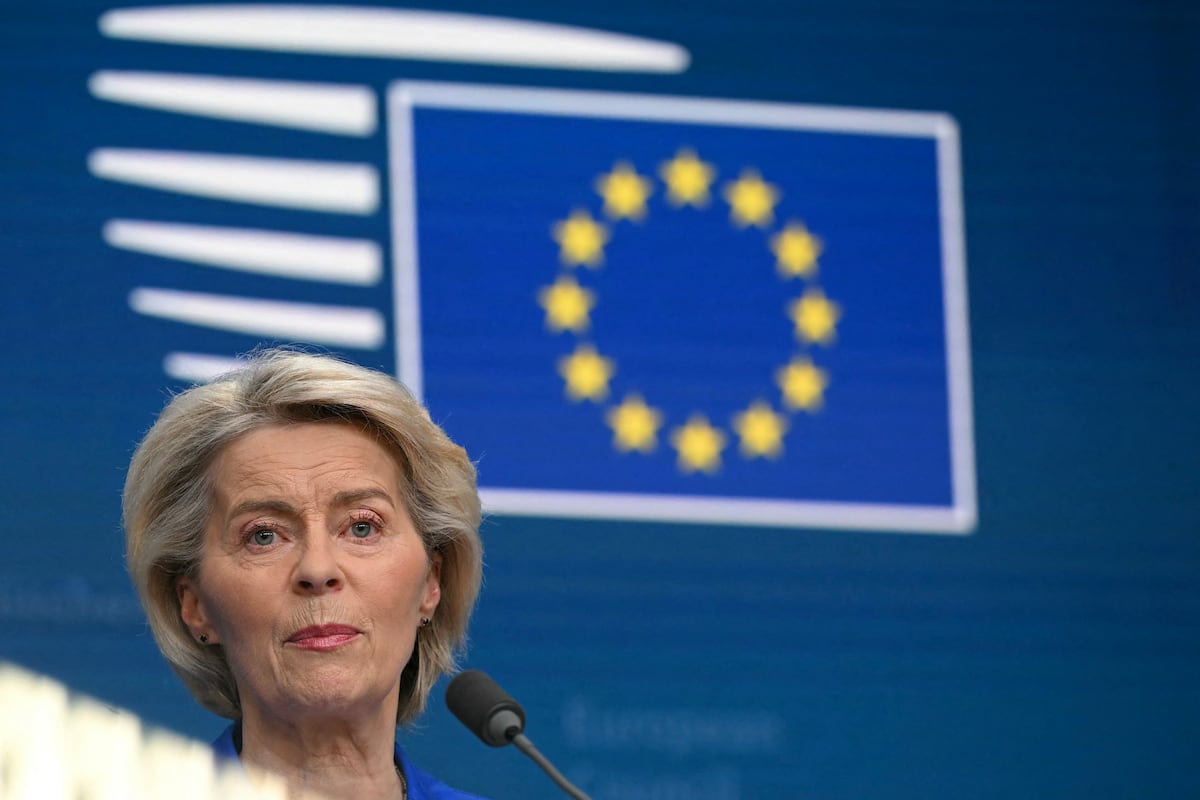
BERLIN — The European Union is working to establish an intelligence unit under Commission President Ursula von der Leyen, a move that could raise questions about the division of sovereignty between national capitals and Brussels on a key national security issue.
The idea was first reported by the Financial Times on Nov. 11 and subsequently confirmed to other publications by EU spokespeople.
The new unit will aim to better coordinate intelligence information collected by national services and the European Union itself. This would help inform joint positions as the EU maneuvers on the global stage, the proposal goes.
An EU spokesperson told the German press agency DPA that the plans were still in a “very embryonic” stage and that the final unit would likely consist only of a handful of experts recruited from national agencies. No specific timeline has been set yet, according to a commission spokesperson cited by FT.
The plan, which Financial Times reports has not yet been coordinated with the EU’s 27 member countries, is likely to bring fierce debate about authorities and sovereignty. The EU already has an intelligence unit, which is housed in its External Action Service — effectively, the bloc’s foreign ministry — whose officials are reportedly opposed to the idea of the new unit directly under von der Leyen. They have voiced concerns that the office may duplicate the work of their Intelligence and Situation Centre.
National security is explicitly reserved as a national issue under the EU’s key treaties. While the war in Ukraine has provided an impetus for European integration in defense, member countries’ capitals continue to guard these areas of sovereignty.
Pushback from member states seems likely, not least because intelligence sharing has long been a touchy subject given the differing political allegiances across the bloc, with some members maintaining at least lukewarm relations with Russia.
Linus Höller is Defense News' Europe correspondent and OSINT investigator. He reports on the arms deals, sanctions, and geopolitics shaping Europe and the world. He holds master’s degrees in WMD nonproliferation, terrorism studies, and international relations, and works in four languages: English, German, Russian, and Spanish.
柏林——欧盟正努力在欧盟委员会主席乌尔苏拉·冯德莱恩的领导下建立一个情报部门,此举可能会引发人们对国家首都与布鲁塞尔之间在关键国家安全问题上的主权划分的质疑。
《金融时报》于 11 月 11 日率先报道了这一想法,随后欧盟发言人向其他媒体证实了这一消息。
新成立的部门旨在更好地协调各国情报机构和欧盟自身收集的情报信息。提案指出,这将有助于欧盟在全球舞台上采取联合行动,从而为欧盟的联合立场提供信息。
欧盟发言人告诉德国新闻社(DPA),这些计划仍处于“非常初步”的阶段,最终组建的团队可能只会由少数从各国机构招募的专家组成。英国《金融时报》援引欧盟委员会发言人的话称,目前尚未确定具体时间表。
据《金融时报》报道,这项计划尚未与欧盟27个成员国协调,很可能引发关于权力和主权的激烈辩论。欧盟目前已设有一个情报部门,隶属于其对外行动署(实际上相当于欧盟的外交部)。据报道,该部门官员反对在冯德莱恩的直接领导下设立这个新部门。他们担心,该部门可能会与欧盟情报与态势中心的工作重叠。
欧盟的关键条约明确规定,国家安全属于各国国内事务。尽管乌克兰战争推动了欧洲在防务领域的一体化进程,但成员国的首都仍然各自守护着这些主权领域。
成员国的反对似乎很有可能,尤其因为情报共享长期以来都是一个敏感话题,考虑到欧盟内部不同的政治立场,一些成员国与俄罗斯保持着至少不冷不热的关系。
林努斯·霍勒是《防务新闻》的欧洲记者和开源情报调查员。他报道影响欧洲乃至全球的军火交易、制裁和地缘政治。他拥有大规模杀伤性武器不扩散、恐怖主义研究和国际关系三个硕士学位,并精通英语、德语、俄语和西班牙语四种语言。