Men account for nearly 20% of spousal abuse victims in Singapore; more husbands seeking help在新加坡,男性占配偶虐待受害者的近20%;越来越多的丈夫寻求帮助
Men were victims in 337 spousal violence cases in 2025. Read more at straitstimes.com.
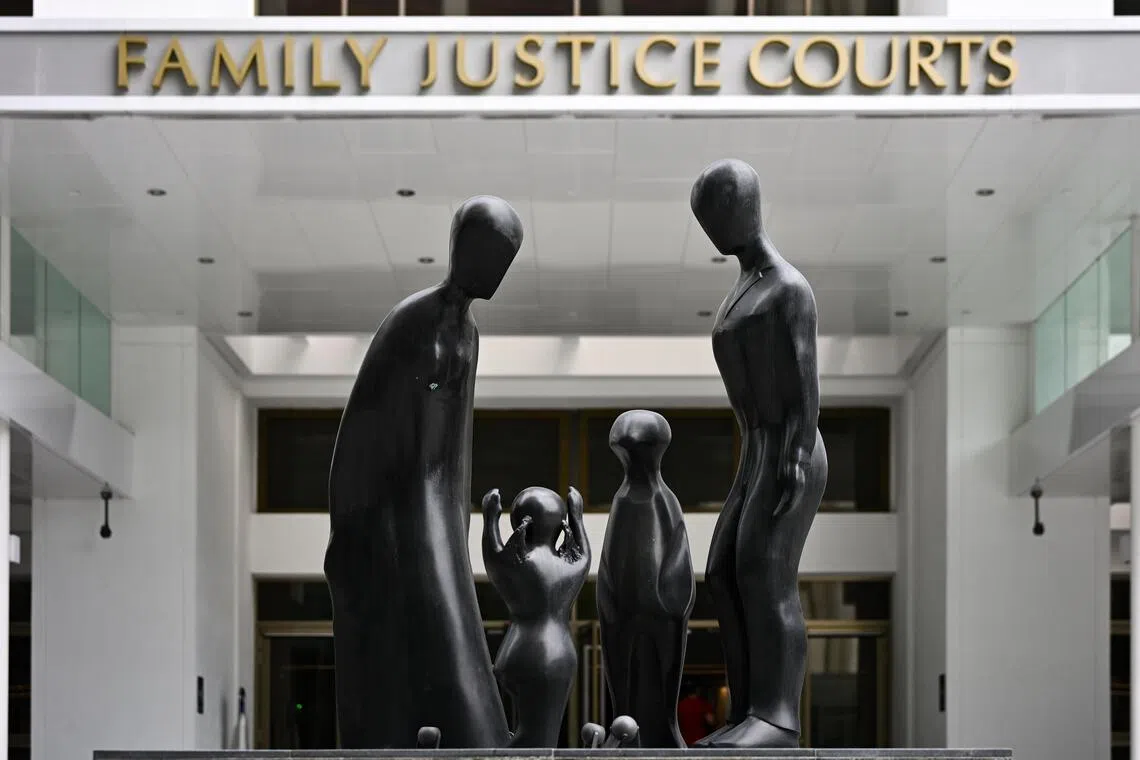
There were 337 spousal violence cases in 2025 where the victim was the husband, a 12% rise from the 302 in 2024.
ST PHOTO: LIM YAOHUI
Published Oct 29, 2026, 06:01 PM
Updated Oct 29, 2026, 06:01 PM
SINGAPORE – More abused husbands sought help in 2025, accounting for about one in five of the spousal violence cases that year.
Overall, more people – both men and women – reported that their spouses were violent to them in 2025, according to the latest Domestic Violence Trends Report, released on Oct 29 by the Ministry of Social and Family Development (MSF).
Spousal violence cases in Tier 1, which refer to lower-risk cases, rose 23% over two years – from 1,560 cases in 2023 to 1,871 in 2024 and 1,920 in 2025.
The latest report provided a gender breakdown of spousal violence cases for the first time – 82% of victims were wives in 2025, while 18% were husbands.
More than half of the abused spouses are in their 30s or 40s.
Physical violence was the most common primary form of abuse for all victims, with about two in three of them experiencing this.
Emotional and psychological abuse was the second most common primary form of abuse. Social workers say victims often suffer from more than one form of abuse .
The report noted that the larger number of physical abuse cases may reflect how victims – and those around them – are better able to recognise physical harm as family violence and are more likely to seek help to keep themselves safe.
Social workers told The Straits Times that men tend to under-report being abused by their wives due to shame and traditional expectations of how men should behave.
But they believe that greater awareness of the different forms of domestic violence, including emotional abuse and coercive control, may spur more men to seek help.
Besides being hit, scratched and having objects thrown at them, some of the men the professionals come across also suffer emotional and psychological abuse.
They may be constantly belittled, humiliated and threatened by their wives, said Cherylene Aw, senior director at TRANS Family Services.
Their wives may restrict their contact with others, monitor their activities and use various methods to control and influence their decisions, she added.
Anne Chui, head of Allkin Family Service Centre@Ang Mo Kio 230, said: “Some men may initially minimise what is happening (to them) or see it as part of ordinary marital disagreements.
“They may also feel embarrassed about seeking help because of societal expectations of how men should cope.
“They may seek support when the situation escalates or when they become concerned for their own safety or when the conflict begins to affect their children.”
More seniors, vulnerable adults face abuse
MSF’s 43-page report – its third edition – details key trends in child, spousal and senior abuse, among other issues.
The number of abused seniors also rose in 2025.
There were 290 new Tier 1 cases, or lower-risk cases, of elder abuse, a 26% increase from the 230 in 2023. In 2024, there were 283 such cases.
In 2025 , two in three of the abused seniors were women .
Physical violence was the most common type of abuse, followed by emotional and psychological abuse.
There were also 12 cases classified as other kinds of abuse, which include financial exploitation by family members.
The report also addressed the harm family members inflict on vulnerable adults.
These adults are aged 18 and older, whose mental or physical disability, infirmity or incapacity renders them unable to protect themselves.
The number of new Tier 2 vulnerable adults cases rose from 65 in 2023 to 70 in 2024 and to 104 in 2025.
Tier 2 cases are those with high safety and risk concerns, such as a senior suffering head injuries, burns or fractures caused by a caregiver.
An MSF spokesperson told ST that most of the elderly vulnerable adults were abused by their own children.
In 2024, the MSF’s Protective Service, which manages high-risk abuse cases, introduced the Vulnerable Adult Structured Decision-Making Tool to help social service agencies and healthcare institutions identify abuse.
The tool gives professionals a clearer and more standardised framework to decide when to report cases to the National Anti-Violence and Sexual Harassment Helpline.
This could have improved the detection of vulnerable adults, leading to more cases being reported.
While physical abuse was the most common form of violence among high-risk vulnerable adult cases – doubling from 27 cases in 2024 to 55 in 2025 – neglect was a close second with 42 cases in 2025.
Neglect occurs when the physical, caregiving or medical needs of the adults are not met and their living conditions deteriorate, among other concerns.
Aw said the reasons for elder abuse are often complex and multi-faceted and may include longstanding family conflict, caregiving stress, a history of violence within the family and the lack of caregiving skills and knowledge.
Cases that Aw has seen include seniors who depend on their adult children for daily needs, while the children face financial and other stresses.
T ensions may build and escalate to controlling behaviour, verbal aggression and even physical harm.
Seniors may be reluctant to report the abuse out of love, and also because they are dependent on the child.
Aw added: “Social isolation and codependence can also increase risk, particularly when the older person and caregiver have limited alternative sources of support. This can make it harder for others to notice the abuse and for the older person to seek help.”
National Mindline: 1771 (24 hours) / 6669-1771 (via WhatsApp)
Samaritans of Singapore: 1-767 (24 hours) / 9151-1767 (24 hours CareText via WhatsApp)
Singapore Association for Mental Health: 1800-283-7019
Silver Ribbon Singapore: 6386-1928
Chat, Centre of Excellence for Youth Mental Health: 6493-6500/1
Women’s Helpline (Aware): 1800-777-5555 (weekdays, 10am to 6pm)
The Seniors Helpline: 1800-555-5555 (weekdays, 9am to 5pm)
Tinkle Friend (for primary school-age children): 1800-2744-788
Mindfull Community HQ (for caregivers, families and persons in recovery): 6460-4400 (weekdays, 9am to 5pm)
Touchline (Counselling): 1800-377-2252
Touch Care Line (for caregivers): 6804-6555
Counselling and Care Centre: 6536-6366
We Care Community Services: 3165-8017
Shan You Counselling Centre: 6741-9293
Clarity Singapore: 6757-7990
Care Corner Counselling Centre: 6353-1180
chat.mentalhealth.sg
carey.carecorner.org.sg (for those aged 13 to 25)
limitless.sg/talk (for those aged 12 to 25)
Theresa Tan is the senior social affairs correspondent at The Straits Times. She covers issues that affect families, youth and vulnerable groups.
2025 年,配偶暴力案件中,受害者为丈夫的案件有 337 起,比 2024 年的 302 起增加了 12%。
ST 照片:林耀辉
发布于 2026 年 10 月 29 日下午 6:01
更新于2026年10月29日下午6:01
新加坡——2025年,寻求帮助的受虐丈夫人数有所增加,约占当年配偶暴力案件总数的五分之一。
根据社会及家庭发展部 (MSF) 于 10 月 29 日发布的最新《家庭暴力趋势报告》,到 2025 年,报告称配偶对他们施暴的人数(包括男性和女性)总体上会更多。
第一级配偶暴力案件(指风险较低的案件)在两年内增加了 23%——从 2023 年的 1560 起增加到 2024 年的 1871 起,再到 2025 年的 1920 起。
最新报告首次提供了配偶暴力案件的性别细分数据——到 2025 年,82% 的受害者是妻子,而 18% 的受害者是丈夫。
超过一半的受虐配偶年龄在 30 多岁或 40 多岁。
身体暴力是所有受害者中最常见的虐待形式,约有三分之二的受害者经历过这种虐待。
情感和心理虐待是第二大最常见的虐待形式。社会工作者表示,受害者往往遭受不止一种虐待形式。
报告指出,身体虐待案件数量的增加可能反映出受害者及其周围的人能够更好地将身体伤害视为家庭暴力,并且更有可能寻求帮助以保护自身安全。
社会工作者告诉《海峡时报》,由于羞耻感和对男性行为的传统期望,男性往往会少报自己遭受妻子虐待的情况。
但他们认为,提高人们对家庭暴力不同形式(包括情感虐待和胁迫控制)的认识,可能会促使更多男性寻求帮助。
除了被殴打、抓伤和被投掷物品外,一些专业人士遇到的男性还会遭受情感和心理虐待。
TRANS 家庭服务中心高级主管 Cherylene Aw 表示,他们可能会不断受到妻子的贬低、羞辱和威胁。
她补充说,他们的妻子可能会限制他们与他人接触,监视他们的活动,并使用各种方法来控制和影响他们的决定。
Allkin Family Service Centre@Ang Mo Kio 230 的负责人 Anne Chui 说:“有些男人一开始可能会淡化(发生在他们身上的)事情,或者将其视为普通婚姻争吵的一部分。
“他们也可能因为社会对男性应如何应对的期望而感到羞于寻求帮助。
“当局势升级、他们担心自身安全或冲突开始影响到他们的孩子时,他们可能会寻求帮助。”
更多老年人和弱势成年人面临虐待风险
无国界医生组织发布的这份 43 页报告(第三版)详细介绍了儿童虐待、配偶虐待和老年人虐待等问题的关键趋势。
2025年,遭受虐待的老年人数量也有所增加。
2024年新增一级(风险较低)老年虐待案件290起,比2023年的230起增加了26%。2024年,此类案件数量为283起。
到 2025 年,三分之二遭受虐待的老年人是女性。
身体暴力是最常见的虐待类型,其次是情感和心理虐待。
还有 12 起案件被归类为其他类型的虐待,其中包括家庭成员的经济剥削。
该报告还探讨了家庭成员对弱势成年人造成的伤害。
这些成年人年龄在 18 岁及以上,由于精神或身体残疾、虚弱或无能,无法保护自己。
2023 年新增 2 级弱势成年人病例数为 65 例,2024 年增至 70 例,2025 年增至 104 例。
第二级案件是指存在高度安全和风险问题的案件,例如老年人因护理人员的过失而遭受头部受伤、烧伤或骨折。
无国界医生组织发言人告诉《海峡时报》,大多数弱势老年成年人都曾遭受自己子女的虐待。
2024 年,负责管理高风险虐待案件的无国界医生保护服务部门推出了弱势成年人结构化决策工具,以帮助社会服务机构和医疗机构识别虐待行为。
该工具为专业人士提供了一个更清晰、更标准化的框架,以决定何时向国家反暴力和性骚扰热线报告案件。
这本可以提高对弱势成年人的识别率,从而导致更多病例被报告。
虽然身体虐待是高危弱势成年人案件中最常见的暴力形式——从 2024 年的 27 例增加到 2025 年的 55 例——但忽视紧随其后,2025 年有 42 例。
忽视是指成年人的生理、照护或医疗需求得不到满足,并且他们的生活条件恶化,以及其他一些问题。
Aw表示,虐待老人的原因往往复杂且多方面,可能包括长期的家庭冲突、照顾老人的压力、家庭内部的暴力史以及缺乏照顾老人的技能和知识。
Aw 遇到的案例包括一些老年人依靠成年子女满足日常需求,而子女则面临经济和其他方面的压力。
紧张局势可能会不断升级,最终导致控制行为、言语攻击甚至肢体伤害。
老年人可能出于爱,也可能因为依赖孩子,而不愿举报虐待行为。
Aw补充道:“社会孤立和相互依赖也会增加风险,尤其是在老年人和照顾者缺乏其他支持来源的情况下。这会使其他人更难注意到虐待行为,也使老年人更难寻求帮助。”
全国热线:1771(24 小时)/6669-1771(通过 WhatsApp)
新加坡撒玛利亚会:1-767(24小时)/ 9151-1767(24小时通过WhatsApp发送短信)
新加坡心理健康协会:1800-283-7019
新加坡银丝带:6386-1928
聊天,青少年心理健康卓越中心:6493-6500/1
妇女帮助热线(Aware):1800-777-5555(工作日,上午10点至下午6点)
长者热线:1800-555-5555(工作日,上午9点至下午5点)
Tinkle Friend(面向小学生):1800-2744-788
正念社区总部(面向照顾者、家属和康复人士):6460-4400(工作日,上午 9 点至下午 5 点)
咨询热线:1800-377-2252
关爱热线(面向护理人员):6804-6555
咨询关怀中心:6536-6366
我们关爱社区服务:3165-8017
山友辅导中心:6741-9293
新加坡 Clarity:6757-7990
关爱角落咨询中心:6353-1180
chat.mentalhealth.sg
carey.carecorner.org.sg(面向13至25岁人群)
limitless.sg/talk(面向12至25岁人群)
特蕾莎·谭是《海峡时报》的资深社会事务记者。她主要报道影响家庭、青年和弱势群体的问题。