More child abuse cases in S’pore in 2025; reports to anti-violence helpline rose 49%新加坡2025年虐童案件数量将增加;反暴力求助热线接到的举报数量上升了49%。
Singapore child abuse cases rise in 2025 as NAVH reports jump 49%, according to MSF’s annual domestic violence trends report. Read more at straitstimes.com.
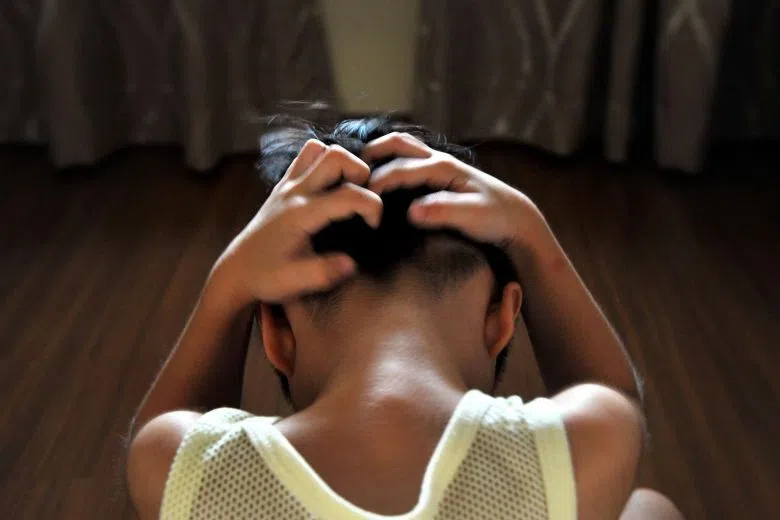
In 2025, there were 2,476 new child abuse cases of low or moderate safety and risk concerns, up by 16% from 2,128 in 2023 and 4% from 2,373 in 2024.
Published Oct 29, 2026, 06:00 PM
Updated Oct 29, 2026, 06:02 PM
SINGAPORE - The number of child abuse cases in Singapore rose in 2025, amid greater vigilance among the public and frontline professionals in spotting and reporting signs of abuse.
The heightened awareness follows the Megan Khung abuse case that drew public scrutiny and led to a series of changes to strengthen the child protection system. The four-year-old girl was horrifically abused to death by her mother and her ex-boyfriend in 2020.
The National Anti-Violence & Sexual Harassment Helpline (NAVH), a 24-hour helpline for reporting family violence, received 16,525 reports in 2025, a 49 per cent jump from 11,068 in 2024.
In 2025, there were 2,476 new child abuse cases of low or moderate safety and risk concerns, up by 16% from 2,128 in 2023 and 4% from 2,373 in 2024. These are categorised as Tier 1 cases, and include children who are excessively or inappropriately disciplined by parents.
Another 1,917 new cases were classified as Tier 2 in 2025, involving children facing high safety and risk concerns, such as being sexually abused or seriously injured, including burns or fractures.
These figures were released on Oct 29 in an annual report by the Ministry of Social and Family Development (MSF) that looks at trends in family violence, from child abuse to spousal and elder abuse.
The Domestic Violence Trends Report 2026 noted that the Tier 2 cases in 2025 are not directly comparable to past years’ figures, because of changes in how cases are counted.
Previously, all children in a family were counted when one child was abused. Under the revised method, only children who were abused or had witnessed abuse within the family are counted.
MSF has also changed how it counts Tier 1 cases to avoid duplication when the same case is handled by multiple community agencies or moves between tiers because of changes in the level of intervention needed .
Tier 2 cases are handled by the MSF Protective Service, which has the statutory power to remove the child from the family if needed to keep the child safe, while Tier 1 cases are handled by community agencies such as Family Service Centres and Child Protection Specialist Centres.
The report covers children from newborns up to the age of 18. Those aged seven to 12 made up the largest group of abused children across both tiers in 2025.
For the first time, the report also broke down the proportion of children in Tier 2 cases who were abused and those who witnessed abuse.
The MSF said that most of the abusers in the Tier 2 cases are parents or step-parents.
About half were children who were abused, while the other half were exposed to abuse.
An MSF spokesperson said that witnessing violence at home can affect a child’s emotional well-being, behaviour and social development.
Identifying these concerns early allows support to be given to the child and family, to mitigate the impact of such exposure and reduce the risk of further harm.
Physical abuse was the most common form of abuse across both categories.
The report noted that many Tier 2 cases involved the “excessive use of physical force” in disciplining the child.
The MSF spokesperson told The Straits Times: “We are clear that not every act of parental discipline constitutes physical abuse. The concern is when the disciplinary action is excessive and results in, or is likely to result in, serious physical harm or injury to the child.”
MSF’s Protective Service, which manages high-risk cases, said it considers the circumstances as a whole, including the force and frequency of the actions, and if there were any injuries.
Punishment that results in injuries that require medical treatment or hospitalisation, such as fractures or burns, may amount to abuse.
So can actions that could cause serious or fatal injuries, such as striking a child with a dangerous object, slamming a child against a wall, or trying to suffocate or strangle a child.
She added: “The key message is that discipline should guide a child, not put the child’s safety or well-being at risk.”
Social workers handling lower risk cases say some parents did not intend to abuse their children, but may have lost control of themselves when dealing with behavioural challenges or academic issues.
Montfort Care’s director of Integrated Family Service Kevin See said it has encountered primary school pupils with severe bruising, after being caned or hit with objects such as belts, hangers and mops.
He added: “Beyond physical trauma, the emotional toll is profound. Children develop chronic anxiety, lose trust in caregivers and live in constant fear at home and in school.”
Other forms of harm include emotional and psychological abuse, sexual abuse and neglect. Neglect occurs when parents fail to provide for the child’s basic needs, such as food, care and shelter.
Anne Chui, head of Allkin Family Service Centre@Ang Mo Kio 230, said emotional and psychological abuse happens when there is a persistent pattern of behaviour that undermines a child’s emotional security, dignity and well-being.
For example, the child is repeatedly humiliated, compared unfavourably with siblings or unfairly blamed for the family’s problems.
The 43-page report had a new section on Singapore’s domestic violence response system, including the work of NAVH and the Domestic Violence Emergency Response Team (DVERT), a 24-hour emergency response team comprising social service professionals that respond to high-risk domestic violence cases together with the Police.
While the public accounted for the largest share of those who reported cases to the NAVH , the rise in reports was driven largely by law enforcement agencies, social service agencies and the education sector.
For example, from September 2024, police officers who respond to family violence cases that involve a child or a vulnerable adult have to notify the NAVH, so that NAVH staff can assess safety concerns and make the necessary referrals.
In 2025, 82% of the reports to the NAVH required follow-up action, such as further assessment, investigation or a referral to the MSF’s Protective Service or community agencies.
The number of incidents handled by DVERT more than doubled from 675 in 2024 to 1,439 in 2025, following its expansion islandwide by September 2024.
Dvert first started in April 2023, in areas such as Ang Mo Kio and Sengkang.
A key function of Dvert is issuing Emergency Orders to protect victims in high-risk situations, providing immediate protection, while safety measures are put in place.
Such situations include those involving weapons, sexual violence, serious threats or acts of violence.
These orders include the Domestic Exclusion Order to bar abusers from the home and the No Contact Order to prohibit abusers from contacting or visiting victims. Breaching an Emergency Order is an arrestable offence.
A total of 1,151 Emergency Orders were issued in 2025, and about half were slapped on abusive husbands. Others who received such orders included parents, siblings or adult children who were abusive to their parents.
Preliminary data for the first half of 2026 showed a continued increase in new abuse cases across most groups, including spouses and vulnerable adults, compared to the same period in 2025.
Asked whether the Megan Khung case had led to greater public awareness and reporting of child abuse, an MSF spokesperson said it was one of several factors that may have raised awareness.
But she added that it could not attribute the rise in NAVH reports to any single case, as reporting trends are also shaped by greater public vigilance or more willingness to seek help.
Allkin’s Chui said that Megan’s death has sparked conversations about the role family members, neighbours, schools and the wider community play in ensuring children are safe, and the serious consequences of staying silent.
The social service agency has seen more family members raising concerns about a child in their family. It has also had more referrals from the NAVH about reports made by neighbours and members of the public.
Theresa Tan is the senior social affairs correspondent at The Straits Times. She covers issues that affect families, youth and vulnerable groups.
2025 年,新增儿童虐待案件 2476 起,属于低风险或中等风险,比 2023 年的 2128 起增加了 16%,比 2024 年的 2373 起增加了 4%。
发布于2026年10月29日下午6:00
更新于2026年10月29日下午6:02
新加坡——尽管公众和一线专业人员提高了警惕,能够发现并报告虐待迹象,但新加坡2025年的虐童案件数量仍然上升。
梅根·孔(Megan Khung)虐童案引发公众关注,促使政府进行一系列改革以加强儿童保护体系,也因此提高了公众的关注度。2020年,这名四岁女童被其母亲和前男友残忍虐待致死。
全国反暴力和性骚扰求助热线 (NAVH) 是一个 24 小时家庭暴力举报热线,2025 年共收到 16,525 份举报,比 2024 年的 11,068 份增加了 49%。
2025 年,新增儿童虐待案件 2476 起,属于低风险或中等风险级别,比 2023 年的 2128 起增加了 16%,比 2024 年的 2373 起增加了 4%。这些案件被归类为一级案件,包括父母对儿童过度或不恰当的管教。
2025 年,另有 1917 例新病例被列为二级病例,涉及面临高度安全和风险问题的儿童,例如遭受性虐待或严重受伤,包括烧伤或骨折。
这些数据来自社会及家庭发展部 (MSF) 于 10 月 29 日发布的年度报告,该报告分析了家庭暴力的趋势,包括虐待儿童、配偶虐待和虐待老人等。
《2026 年家庭暴力趋势报告》指出,由于案件统计方式的变化,2025 年的二级案件与往年的数据没有直接可比性。
此前,如果一个家庭中有一个孩子遭受虐待,那么家庭中的所有孩子都会被计入。根据修订后的方法,只有遭受虐待或目睹家庭虐待的儿童才会被计入。
无国界医生组织也改变了对一级病例的统计方式,以避免同一病例由多个社区机构处理或因所需干预级别变化而在各级别之间转移时出现重复统计。
二级案件由社会及家庭发展部保护服务处处理,该部门拥有法定权力,如有必要将儿童从家庭中带走以确保儿童安全;一级案件由家庭服务中心和儿童保护专科中心等社区机构处理。
该报告涵盖了从新生儿到 18 岁的儿童。到 2025 年,7 至 12 岁的儿童在两个层级中都是受虐待儿童人数最多的群体。
该报告首次细分了二级案件中遭受虐待的儿童和目睹虐待的儿童的比例。
无国界医生组织表示,二级案件中的大多数施虐者是父母或继父母。
其中约一半是遭受虐待的儿童,另一半是目睹虐待的儿童。
无国界医生组织发言人表示,目睹家庭暴力会影响儿童的情感健康、行为和社会发展。
及早发现这些问题,可以向儿童及其家庭提供支持,以减轻此类接触的影响,并降低进一步伤害的风险。
在两类虐待类型中,身体虐待都是最常见的虐待形式。
报告指出,许多二级案件都涉及在管教孩子时“过度使用体力”。
无国界医生组织发言人告诉《海峡时报》:“我们明确指出,并非所有父母的管教行为都构成身体虐待。我们关注的是,当管教行为过度,并导致或可能导致儿童遭受严重的身体伤害时。”
无国界医生组织负责处理高风险案件的保护服务部门表示,他们会综合考虑各种情况,包括行动的力度和频率,以及是否有人受伤。
导致需要医疗救治或住院治疗的伤害(例如骨折或烧伤)的惩罚可能构成虐待。
一些行为可能会造成严重或致命的伤害,例如用危险物品击打儿童、将儿童摔到墙上,或者试图使儿童窒息或勒死。
她补充说:“关键信息是,纪律应该引导孩子,而不是危及孩子的安全或福祉。”
处理低风险案件的社会工作者表示,有些父母并非有意虐待子女,而是在处理行为挑战或学业问题时失去了自控能力。
Montfort Care 综合家庭服务主管 Kevin See 表示,他们曾遇到过一些小学生,他们身上有严重的瘀伤,这些瘀伤是由于被藤条抽打或被皮带、衣架和拖把等物品击打造成的。
他补充道:“除了身体上的创伤,情感上的伤害也十分深远。孩子们会患上慢性焦虑症,不再信任照顾者,在家和学校都生活在持续的恐惧之中。”
其他形式的伤害包括情感和心理虐待、性虐待和忽视。忽视是指父母未能满足孩子的基本需求,例如食物、照料和住所。
Allkin Family Service Centre@Ang Mo Kio 230 的负责人 Anne Chui 表示,当存在持续的行为模式,损害儿童的情感安全、尊严和福祉时,就会发生情感和心理虐待。
例如,孩子反复受到羞辱,被拿来与兄弟姐妹做不利的比较,或者被不公平地指责为家庭问题的罪魁祸首。
这份 43 页的报告新增了一个章节,介绍了新加坡的家庭暴力应对系统,包括 NAVH 和家庭暴力紧急应对小组 (DVERT) 的工作。DVERT 是一个 24 小时紧急应对小组,由社会服务专业人员组成,与警方一起应对高风险的家庭暴力案件。
虽然公众在向 NAVH 报告病例的人群中占最大比例,但报告数量的增加主要由执法机构、社会服务机构和教育部门推动。
例如,从 2024 年 9 月起,处理涉及儿童或弱势成年人的家庭暴力案件的警官必须通知 NAVH,以便 NAVH 工作人员可以评估安全问题并进行必要的转介。
2025 年,向 NAVH 提交的报告中有 82% 需要采取后续行动,例如进一步评估、调查或转介给无国界医生保护服务或社区机构。
随着 DVERT 在 2024 年 9 月之前扩展到全岛范围,其处理的事件数量从 2024 年的 675 起增加到 2025 年的 1,439 起,翻了一番还多。
Dvert 于 2023 年 4 月首次启动,试点地区包括宏茂桥和盛港等地。
Dvert 的一项关键职能是发布紧急命令,以保护高风险情况下的受害者,在采取安全措施的同时提供即时保护。
此类情况包括涉及武器、性暴力、严重威胁或暴力行为的情况。
这些命令包括禁止施暴者进入住所的家庭隔离令,以及禁止施暴者联系或探访受害者的禁止接触令。违反紧急命令属于可逮捕的罪行。
2025年共签发了1151份紧急保护令,其中约一半针对的是虐待妻子的丈夫。其他收到此类保护令的人包括虐待父母的父母、兄弟姐妹或成年子女。
2026 年上半年的初步数据显示,与 2025 年同期相比,大多数群体(包括配偶和弱势成年人)的新虐待案件数量持续增加。
当被问及梅根·孔案是否提高了公众对虐待儿童的认识和举报率时,无国界医生组织的一位发言人表示,这是可能提高公众意识的几个因素之一。
但她补充说,不能将 NAVH 报告的增加归因于任何单一案例,因为报告趋势也受到公众警惕性提高或寻求帮助意愿增强的影响。
Allkin 的 Chui 表示,Megan 的死引发了关于家庭成员、邻居、学校和更广泛的社区在确保儿童安全方面所扮演的角色,以及保持沉默的严重后果的讨论。
社会服务机构发现,越来越多的家庭成员对家中孩子的状况表示担忧。此外,他们还收到了更多来自全国家庭健康协会(NAVH)的转介案例,这些案例均由邻居和公众举报。
特蕾莎·谭是《海峡时报》的资深社会事务记者。她主要报道影响家庭、青年和弱势群体的问题。