Flushed, binned, forgotten: How unwanted medicines are putting Malaysia’s waterways at risk (VIDEO)被冲走、扔进垃圾桶、遗忘:废弃药品如何危害马来西亚水道(视频)
KUALA LUMPUR, Nov 1 — From disrupting fish reproduction to altering aquatic behaviour, pharmaceutical residues can have far-reaching effects on ecosystems when expired or...
新闻视频
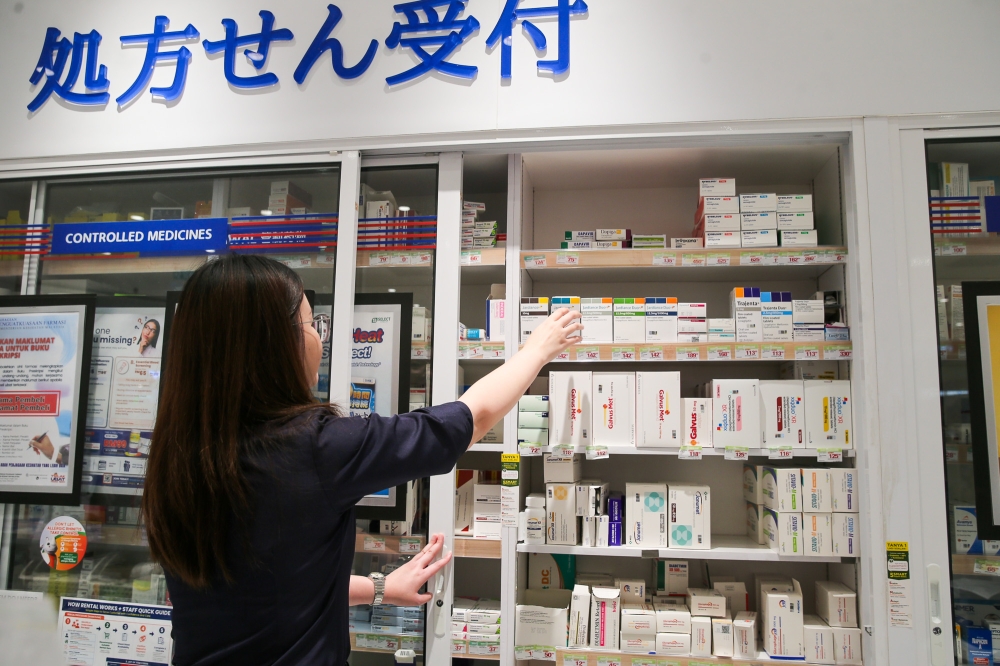
KUALA LUMPUR, Nov 1 — From disrupting fish reproduction to altering aquatic behaviour, pharmaceutical residues can have far-reaching effects on ecosystems when expired or unwanted medicines are improperly discarded.
Yet for many households, disposing of old medicines remains an afterthought, with the rubbish bin often the most convenient option when returning them to a healthcare facility or pharmacy seems too troublesome.
As pharmaceutical consumption rises alongside Malaysia’s growing and ageing population, the volume of unwanted medicines requiring proper disposal is also likely to increase.
According to the Health Ministry’s Pharmaceutical Services Programme (PSP), many people mistakenly believe expired medicines can be thrown away with household waste, while others bury unused medication under the assumption that it is safer.
“All pharmaceutical products, including traditional preparations and supplements, must not be disposed of with household waste or flushed down toilets or sinks.
“This includes tablets, capsules, pills, liquid medications, inhalers, topical preparations (ointments and creams), eye and nasal drops, suppositories, sachets and patches.
“Active pharmaceutical ingredients and excipients in improperly discarded medicines can contaminate drinking water sources and aquatic ecosystems, entering drainage systems through landfill leachate or wastewater when medicines are flushed down sinks or toilets,” it said in response to recent queries from Malay Mail .
The PSP also sought to dispel the misconception that medicines returned to healthcare facilities would be reused for other patients, stressing that they must instead be disposed of safely in line with international recommendations.
It warned that improper disposal of antibiotics could also contribute to antimicrobial resistance, potentially making commonly used antibiotics less effective against infections and posing serious challenges to healthcare systems.
What gets thrown away
In Malaysia, the Health Ministry’s MyMediSAFE programme, launched in September 2024, leads efforts to educate the public on the safe disposal of unused and expired medicines through strategic partnerships with the private sector.
According to the 2025 edition of MyMediSAFE’s Master Plan for the Disposal of Medicines Kept by Patients for Environmental Sustainability, a 2019 study involving 426 respondents in Selangor found that 84.9 per cent disposed of unused medicines in household rubbish bins, while only 15.1 per cent were aware of proper disposal methods.
Another study in 2021 found that about two-thirds of 1,000 patients with chronic conditions surveyed in the Klang Valley disposed of unused medicines with household waste, poured them down drains or flushed them down toilets.
A separate study examining 1,052 rivers across 104 countries ranked Selangor’s Sungai Langat among the 20 most polluted by pharmaceutical residues, detecting carbamazepine, an anticonvulsant, and metformin, a diabetes medication, in water samples.
There are currently 1,248 medicine collection points nationwide, including Health Ministry hospitals, selected private and university hospitals, and community pharmacies participating in MyMediSAFE.
The scale of the problem is also reflected in figures from the Malaysian Pharmacists Society (MPS), which collected an estimated 639kg of unused and expired medicines between January and June this year through a nationwide programme supporting independent community pharmacies as medicine-return points.
Despite these efforts, awareness of proper medicine disposal remains a challenge.
Ng Yi Ling, chairman of the MPS Special Interest Group on safe medicine disposal, said unused and expired medicines often accumulate at home because people are unaware of existing disposal services or do not regularly check their medicine supplies.
“Many people may not be aware of the consequences of improper medicine disposal; even among those who are aware, they may not consider its importance so it stops there.
“I think another reason, especially among patients on chronic medication, is confusion over dosage. For instance, a patient prescribed four metformin tablets a day may take only two, either out of fear of side effects or a lack of understanding, eventually accumulating excess medication at home,” she told Malay Mail .
Beyond the environmental risks, Ng said medicines discarded in rubbish bins could cause accidental poisoning if children or animals mistook them for food and ingested them.
She also highlighted the financial cost of medicine wastage, noting that pharmaceutical production requires significant resources, while patients who fail to take medication as prescribed risk worsening their conditions, potentially requiring further treatment and increasing healthcare costs.
Ng, who is also Alpro Pharmacy’s professional care and development manager, said preventing improper disposal should begin with understanding why patients accumulate unused medication.
Pharmacists, she said, have a key role in identifying patients’ concerns and encouraging them to take their medicines as prescribed.
She cited cases of patients accumulating excess medication after failing to follow their prescribed treatment, including one who stopped taking diabetes medication in favour of alternative treatments.
“Pharmacists should not simply accept returned medicines and dispose of them but ask patients why they have excess medication.
“By addressing concerns such as fear of side effects or confusion over dosage, we can prevent medicine wastage at its source and ensure unused medicines are disposed of safely,” she said.
Alpro has disposed of an average of 3.5 tonnes of unused medicines returned by the public each year over the past three years.
However, Ng said the volume was hardly cause for celebration, as it also reflected patients not taking their medication as prescribed.
Among the most commonly returned medicines were metformin for diabetes and statins for high cholesterol, both prescribed for chronic conditions, alongside painkillers such as paracetamol and smaller quantities of antibiotics.
Ng said educational efforts were also being introduced in schools, with animations used to teach children about the risks of improper medicine disposal and the importance of safe disposal practices.
“Now that the resources and disposal services are in place, we hope to engage the wider community through outreach programmes and encourage them to work together with the Health Ministry and MPS, which have been driving these efforts,” she said.
With more medicine collection points available nationwide under MyMediSAFE, the PSP encouraged Malaysians to make safe disposal a regular habit.
“They no longer need to make special trips to specific healthcare facilities, as more collection points are now available for them to visit while going about their other activities.
“The public is encouraged to use medicines responsibly by finishing existing supplies at home before obtaining more and informing pharmacy staff of any remaining medication so they can assess patients’ needs and dispense only the quantities required,” it said.
Fahmi offers condolences to family of Mata Ayer state assemblyman Wan Badariah
Anwar directs Education Ministry to act firmly on school bullying
Anwar, Lawrence Wong to witness JS-SEZ master plan launch; Perak venue under review, says Akmal Nasrullah
吉隆坡,11月1日讯——过期或不需要的药物被不当丢弃,药物残留物会对生态系统产生深远的影响,从干扰鱼类繁殖到改变水生生物的行为。
然而,对于许多家庭来说,处理过期药品仍然是事后才考虑的事情,当把药品送回医疗机构或药房似乎太麻烦时,扔进垃圾桶往往是最方便的选择。
随着马来西亚人口增长和老龄化,药品消费量不断上升,需要妥善处理的过期药品数量也可能增加。
根据卫生部药品服务计划(PSP)的数据,许多人错误地认为过期药品可以与生活垃圾一起丢弃,而另一些人则认为掩埋未使用的药品更安全。
“所有药品,包括传统制剂和补充剂,都不得与生活垃圾一起丢弃,也不得冲入马桶或水槽。
“这包括片剂、胶囊、药丸、液体药物、吸入剂、外用制剂(软膏和乳膏)、滴眼液和滴鼻液、栓剂、袋装剂和贴剂。
“不当丢弃的药品中的活性药物成分和辅料会污染饮用水源和水生生态系统,当药品被冲入水槽或马桶时,这些物质会通过垃圾填埋场渗滤液或废水进入排水系统,”该机构在回应《马来邮报》最近的询问时表示。
PSP 还试图消除人们的误解,即退回医疗机构的药品将被重新用于其他患者,并强调这些药品必须按照国际建议进行安全处置。
报告警告称,不当处置抗生素也可能导致抗菌素耐药性,从而降低常用抗生素对抗感染的有效性,并对医疗保健系统构成严重挑战。
被丢弃的东西
在马来西亚,卫生部于 2024 年 9 月启动的 MyMediSAFE 计划,通过与私营部门的战略合作,引领公众学习如何安全处置未使用的过期药品。
根据 MyMediSAFE 发布的 2025 年版《患者留存药品处理环境可持续性总体规划》,2019 年雪兰莪州一项针对 426 名受访者的研究发现,84.9% 的人将未使用的药品丢弃在家庭垃圾桶中,而只有 15.1% 的人了解正确的处理方法。
2021 年的另一项研究发现,在巴生谷接受调查的 1000 名慢性病患者中,约有三分之二的人将未使用的药物与生活垃圾一起丢弃,倒入下水道或冲入马桶。
另一项针对 104 个国家/地区的 1052 条河流的研究将雪兰莪州的冷岳河列为受药物残留污染最严重的 20 条河流之一,并在水样中检测到了抗惊厥药卡马西平和糖尿病药物二甲双胍。
目前全国共有 1248 个药品领取点,包括卫生部医院、部分私立医院和大学医院以及参与 MyMediSAFE 的社区药房。
马来西亚药剂师协会 (MPS) 的数据也反映了问题的严重性。该协会通过一项全国性计划,支持独立社区药房作为药品回收点,在今年 1 月至 6 月期间收集了约 639 公斤未使用的过期药品。
尽管做出了这些努力,但人们对正确处理药品的意识仍然是一个挑战。
新加坡医务人员协会安全药品处理特别兴趣小组主席吴怡玲表示,未使用的过期药品经常在家中堆积,因为人们不了解现有的药品处理服务,或者没有定期检查他们的药品储备。
“许多人可能没有意识到不当处理药品的后果;即使是那些意识到的人,他们也可能没有意识到其重要性,所以事情就此结束了。
“我认为另一个原因,尤其是在长期服药的患者中,是对剂量的困惑。例如,医生给病人开了每天四片二甲双胍,但病人可能只服用两片,要么是出于对副作用的恐惧,要么是缺乏了解,最终导致家中药物过量,”她告诉《马来邮报》。
除了环境风险外,吴先生表示,丢弃在垃圾桶里的药品如果被儿童或动物误认为是食物而吞食,可能会导致意外中毒。
她还强调了药品浪费造成的经济损失,指出药品生产需要大量资源,而未能按处方服药的患者则有可能病情恶化,需要进一步治疗,从而增加医疗保健成本。
Ng 同时也是 Alpro Pharmacy 的专业护理和发展经理,他表示,防止不当处置药物应该从了解患者为何会积累未使用的药物开始。
她说,药剂师在识别患者的顾虑并鼓励他们按处方服药方面发挥着关键作用。
她列举了一些患者因未遵医嘱接受治疗而导致药物过量的情况,其中一位患者甚至停止服用糖尿病药物,转而寻求其他疗法。
“药剂师不应该只是简单地接收退回的药品并将其丢弃,而应该询问患者为什么会有多余的药物。
她表示:“通过解决诸如害怕副作用或剂量困惑等问题,我们可以从源头上防止药物浪费,并确保未使用的药物得到安全处置。”
过去三年,Alpro 平均每年处理公众退回的 3.5 吨未使用药品。
然而,吴先生表示,这个数字并不值得庆祝,因为它也反映出一些患者没有按照处方服用药物。
最常被退回的药物包括用于治疗糖尿病的二甲双胍和用于治疗高胆固醇的他汀类药物(这两种药物都是为治疗慢性疾病而开的),以及扑热息痛等止痛药和少量抗生素。
吴先生表示,学校也在推行教育活动,利用动画向孩子们讲解不当处理药物的风险以及安全处理药物的重要性。
她说:“现在资源和处置服务已经到位,我们希望通过外展计划与更广泛的社区互动,并鼓励他们与卫生部和MPS(伦敦警察厅)合作,这两个部门一直在推动这些工作。”
随着 MyMediSAFE 计划在全国范围内设立更多药品回收点,PSP 鼓励马来西亚人养成安全处置药品的习惯。
“他们不再需要专门前往特定的医疗机构,因为现在有更多的采集点可供他们在进行其他活动时前往。
“我们鼓励公众负责任地使用药品,在购买更多药品之前先用完家中现有的药品,并告知药房工作人员剩余的药品数量,以便他们评估患者的需求,只配发所需的数量。”声明中写道。
法米向马塔亚州议员万巴达利亚的家人表示慰问。
安华指示教育部对校园欺凌行为采取强硬措施。
安华和黄循财见证JS-SEZ总体规划启动; Akmal Nasrullah表示,霹雳州场地正在接受审查