Biden’s FY25 budget cuts missile defense when we need it more than ever拜登2025财年预算削减了导弹防御,而我们比以往任何时候都更需要它。
Opinion: Given the deteriorating security environment, it would seem that cutting missile defenses is the exact wrong thing to do at this point.
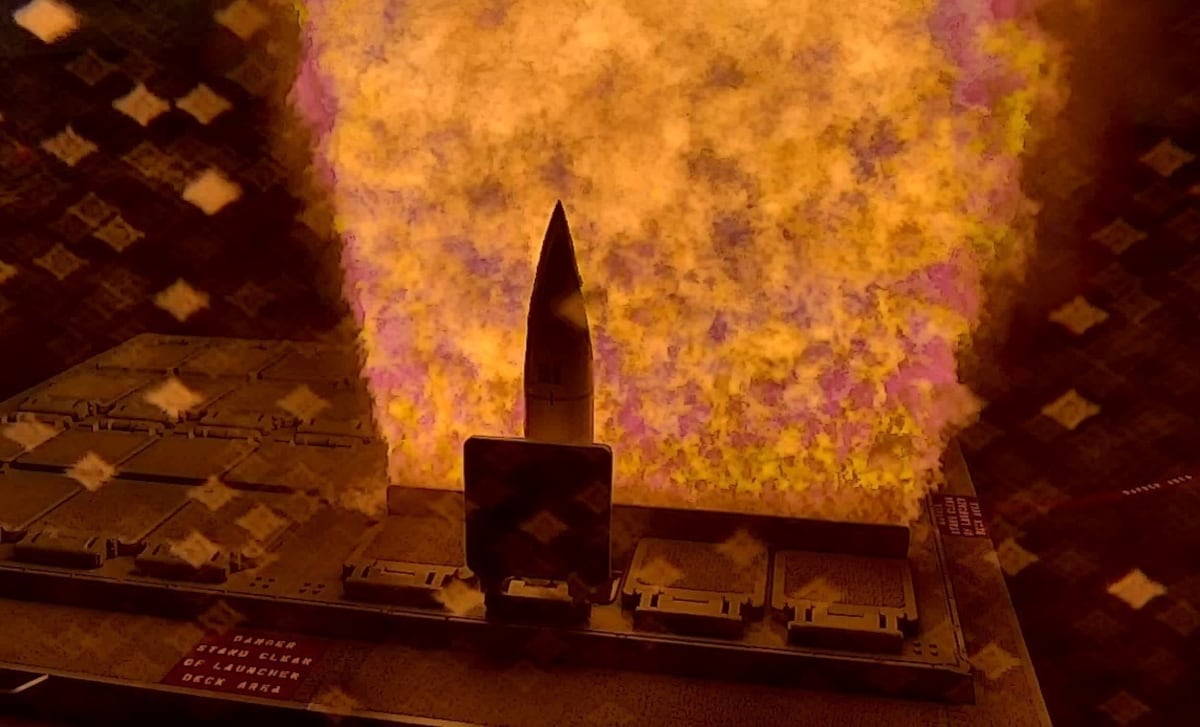
Despite the incredible performance of missile defenses in Ukraine , Israel and the Red Sea over the past 12 months, the Biden administration’s fiscal 2025 defense budget cuts missile defenses.
This is a mistake. Given the rising threat from missiles and drones — coupled with the effectiveness of missile defenses — the United States should be expanding its missile defense capabilities, not cutting them.
Indeed, autocrats increasingly are relying on a combination of missiles and drones to attack their enemies. From Russia’s unrelenting air campaign against Ukraine, to the strikes on Israel from Hamas , Hezbollah and Iran , to the Houthi missile strikes on civilian shipping, missiles are becoming an increasingly central component to fighting forces around the world.
In all of the above instances, however, integrated air and missile defenses have proved capable of intercepting a high percentage of missile salvos, saving countless lives in the process and denying the autocrats’ battlefield success.
Should the United States need to defend Taiwan or another ally from a Chinese attack , missile defenses will almost certainly be of paramount importance, given that China has one of the largest missile arsenals on the planet.
Why, then, did the Department of Defense propose cutting the U.S. Missile Defense Agency’s budget by over $400 million in FY25, when it was supposed to increase its budget by $560 million according to the FY24 defense budget ? Why is the Biden administration seeking to cut missile defenses by $2.6 billion over the next five years, as Rep. Doug Lamborn, R-Colo., recently pointed out ?
When asked about these reductions in congressional testimony, the deputy assistant secretary of defense for space and missile defense, John Hill, noted that the Defense Department “must pay bills,” to include payroll increases, health care and child care. In other words, the Biden administration is cutting combat-proven missile defenses to pay for noncombat operations.
Given the deteriorating security environment, it would seem that cutting missile defenses is the exact wrong thing to do at this point.
One could argue (correctly) that budget caps are in place, which forces the department to make hard choices. This is certainly true: The 2023 Fiscal Responsibility Act does cap discretionary spending, but given the temperature in Congress on the need to increase military lethality, it is entirely possible that both parties could either amend the act or seek cuts in other places.
In addition, while the FY25 defense budget proposal continues to support the integration of partner missile defenses with U.S. missile defenses, while it sustains research and development funding for joint air and missile defenses, it actually slows the fielding of a glide-phase intercept capability for hypersonic missile threats from a 2030 prototype development to a 2034 delivery.
In real terms, President Joe Biden’s new budget only funds building 12 SM-3 IIA missile interceptors and cuts production on the SM-3 IB missile interceptor — the preeminent ballistic missile defense interceptors built today.
Such a small purchase of interceptors is wildly insufficient for the emerging missile threat environment in which Russia, the Houthis and Iran are increasingly reliant upon missiles and drones in their attacks.
Indeed, only a few weeks have passed since Israel, along with American, European and Arab partners, intercepted a salvo of over 300 Iranian ballistic missiles, cruise missiles and long-range drones. American warplanes and surface vessels — likely firing Standard Missile-3 missile interceptors — contributed significantly and even achieved the first exo-atmospheric ballistic missile intercept during combat conditions. In total, reports suggest that the coalition intercepted upward of 99% of the threats.
Twelve more missile defense interceptors are not nearly enough to present a credible missile defense architecture in the Western Pacific, given that China is building thousands of missiles with a variety of ranges and capabilities. Such missile salvos from China have the potential to overwhelm current defenses on U.S. and allied bases as well as carrier strike groups across the region.
That’s why the United States should be expanding — not shrinking — theater missile defenses regionally and missile stockpiles across priority theaters of operation.
Indeed, should the United States or one of its allies ever be on the receiving end of a Chinese missile salvo akin to what Israel received, such SM-3 interceptors may be the difference between life and death for many Americans — literally.
With that in mind, Congress should pass a defense budget that includes funding for a credible missile defense architecture capable of replicating the recent successes seen in Israel in other theaters of operation, especially in the Western Pacific. While child care and payroll increases are no doubt important, they shouldn’t come at the expense of weakening our defenses from the kind of missile barrage that are becoming increasingly commonplace on the modern battlefield.
Robert Peters is a research fellow for nuclear deterrence and missile defense at the Heritage Foundation think tank. He previously served as the lead strategist at the U.S. Defense Threat Reduction Agency.
尽管过去 12 个月里,乌克兰、以色列和红海的导弹防御系统表现出色,但拜登政府 2025 财年的国防预算却削减了导弹防御预算。
这是个错误。鉴于导弹和无人机的威胁日益加剧,加上导弹防御系统的有效性,美国应该扩大其导弹防御能力,而不是削减它。
事实上,独裁者越来越依赖导弹和无人机的组合来攻击敌人。从俄罗斯对乌克兰持续不断的空袭,到哈马斯、真主党和伊朗对以色列的袭击,再到胡塞武装对民用船只的导弹袭击,导弹正日益成为世界各地军队作战的核心组成部分。
然而,在上述所有情况下,综合防空和导弹防御系统都已证明能够拦截很大比例的导弹齐射,在此过程中挽救了无数生命,并挫败了独裁者的战场胜利。
如果美国需要保卫台湾或其他盟友免受中国的攻击,鉴于中国拥有全球最大的导弹武库之一,导弹防御几乎肯定会至关重要。
那么,为什么国防部在2025财年提议削减美国导弹防御局超过4亿美元的预算,而根据2024财年的国防预算,该局的预算本应增加5.6亿美元?正如科罗拉多州共和党众议员道格·兰伯恩最近指出的那样,为什么拜登政府寻求在未来五年内削减26亿美元的导弹防御预算?
在国会作证时被问及这些削减开支一事,负责太空和导弹防御的国防部副助理部长约翰·希尔指出,国防部“必须支付账单”,包括工资增长、医疗保健和儿童保育。换句话说,拜登政府正在削减经实战检验的导弹防御项目,以支付非战斗行动的费用。
鉴于安全环境日益恶化,此时削减导弹防御似乎完全是错误的做法。
有人可能会(而且确实如此)认为,预算上限的存在迫使国防部做出艰难的选择。这当然没错:《2023年财政责任法案》确实限制了可自由支配支出,但鉴于国会目前对提升军事杀伤力的需求,两党都完全有可能修改该法案或在其他方面寻求削减开支。
此外,虽然 2025 财年国防预算提案继续支持将伙伴国的导弹防御系统与美国的导弹防御系统整合,并维持联合防空和导弹防御的研发资金,但实际上却将高超音速导弹威胁的滑翔阶段拦截能力的部署时间从 2030 年的原型开发推迟到 2034 年的交付。
实际上,乔·拜登总统的新预算只资助建造 12 枚 SM-3 IIA 导弹拦截器,并削减了 SM-3 IB 导弹拦截器(目前建造的最优秀的弹道导弹防御拦截器)的产量。
对于日益严峻的导弹威胁环境而言,如此小规模的拦截器采购远远不够。在这种环境下,俄罗斯、胡塞武装和伊朗越来越依赖导弹和无人机发动袭击。
事实上,就在几周前,以色列与美国、欧洲和阿拉伯伙伴国联手,拦截了伊朗发射的300多枚弹道导弹、巡航导弹和远程无人机。美国战机和水面舰艇——很可能发射了标准-3型导弹拦截器——发挥了重要作用,甚至在实战条件下首次实现了大气层外弹道导弹拦截。据报道,联军总共拦截了超过99%的威胁目标。
鉴于中国正在研制数千枚射程和性能各异的导弹,仅仅增加12枚导弹防御拦截器远远不足以在西太平洋构建可靠的导弹防御体系。来自中国的此类导弹齐射有可能突破美国及其盟国基地以及该地区航母打击群的现有防御系统。
因此,美国应该扩大(而不是缩小)区域导弹防御系统和重点作战区域的导弹储备。
事实上,如果美国或其盟友遭受类似于以色列所遭受的中国导弹齐射,那么SM-3拦截器可能对许多美国人来说就是生死攸关的——毫不夸张地说。
鉴于此,国会应通过一项国防预算,其中包括为建立一套可靠的导弹防御体系提供资金,以便将以色列近期在其他战区,尤其是在西太平洋地区取得的成功经验复制到其他战区。虽然提高儿童保育和工资水平固然重要,但不应以削弱我们抵御现代战场上日益常见的导弹齐射的能力为代价。
罗伯特·彼得斯是传统基金会智库的核威慑和导弹防御研究员。他此前曾担任美国国防威胁降低局的首席战略师。