72% spike in number of people who dropped their IP riders in 20252025年,放弃IP附加条款的人数将激增72%。
72% more policyholders in Singapore dropped IP riders in 2025 as rising premiums drove more to discontinue or downgrade coverage. Read more at straitstimes.com.
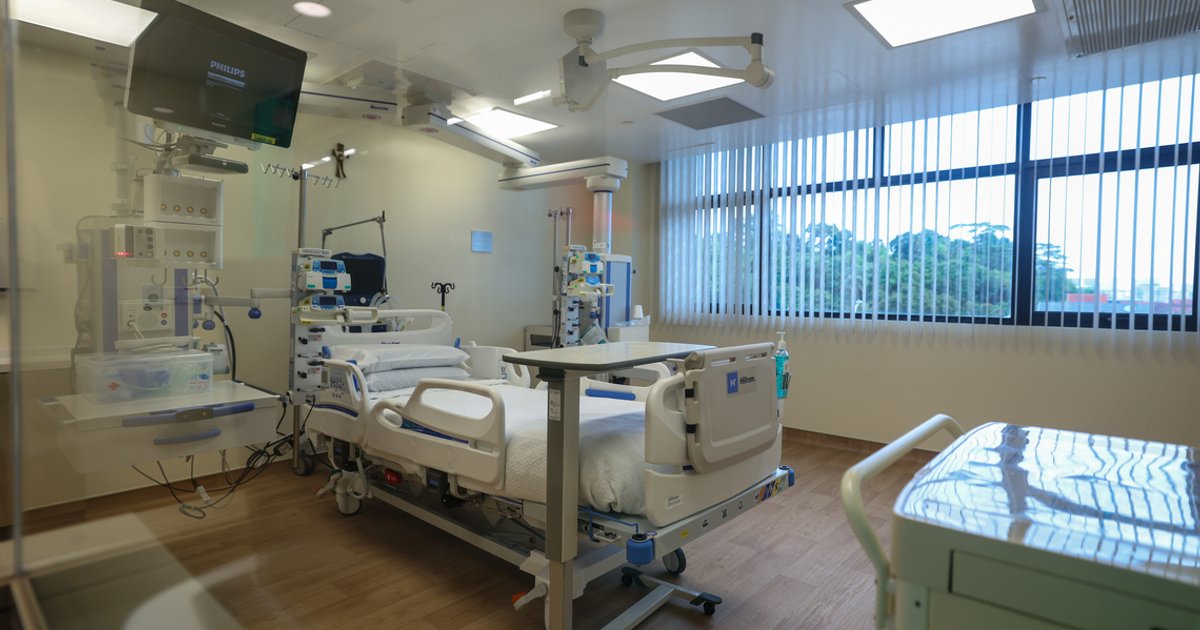
The exodus happened after existing policyholders weathered a period of rapidly rising premiums.
PHOTO: LIANHE ZAOBAO
Published Nov 02, 2026, 05:00 AM
Updated Nov 02, 2026, 05:00 AM
More than 112,000 people gave up their Integrated Shield Plan riders in 2025, a 72% rise from 65,000 in 2024, after years of sharp premium increases.
MOH said rider premiums rose 17.2% a year from December 2021 to December 2024. Costs can triple with age and reach $9,000 a year in the 70s.
Many policyholders downgraded or stopped cover as prices rose. Policyholder Oo Gin Lee cut an add-on and saved more than $3,700 after seeing a renewal bill near $9,000.
SINGAPORE – More than 112,000 people gave up their optional private health insurance add-ons in 2025.
This marks an increase of more than 72% from the 65,000 who discontinued their Integrated Shield Plan (IP) riders in 2024.
An IP is a private medical insurance plan that gives additional coverage on top of what is provided through the national health insurance scheme MediShield Life. Riders help cover out-of-pocket costs.
In total, about 5.6% of the two-million-odd pool of IP rider policyholders threw in the towel in 2025, based on the latest figures provided to The Straits Times.
From December 2021 to December 2024, IP rider premiums increased by 17.2% each year, according to the Ministry of Health (MOH).
MOH has said the annual rider premiums could as much as triple when the policyholder’s age goes from 50 years to 70 years. By the time a person is in his or her 70s, the amount being paid each year could go up to $9,000.
Together with the IP, the amount paid could hit a range of $12,700 to $22,700, depending on the insurer and the coverage of the IP.
All Singaporeans are insured under MediShield Life, which covers expenses incurred for hospitalisations and certain outpatient treatments, such as radiotherapy for cancer and kidney dialysis.
Those who want additional coverage such as for stays in higher ward classes or private hospitals can purchase an IP. As at end-2024, about 71% of Singapore residents, or about three million people, had IPs.
Riders can be purchased on top of the base IP. These are generally meant to cover the patient’s share of the bill – deductibles and co-payment – with the rest paid by the insurer or MediShield Life.
Health Minister Ong Ye Kung said in a parliamentary reply in September that as IP and IP rider premiums continue to rise, many policyholders have downgraded or discontinued their plans, and the numbers have increased over the past three years.
For IPs, the number of downgrades and discontinuations in 2023 was 99,000. This grew to 105,900 in 2024, and 128,200 in 2025.
As for riders, the corresponding figure was 84,800 in 2023, 103,400 in 2024, and 181,800 in 2025.
MP for Bishan-Toa Payoh GRC Saktiandi Supaat had asked for the number of people who downgraded or discontinued their IPs due to affordability concerns.
Ong said MOH does not track the reasons behind these decisions, as the policyholders could have done so for various reasons, “including affordability concerns or to right-size coverage based on their needs and circumstances”.
In response to queries from ST, MOH provided the breakdown for the rider figures which showed that among those who had reduced their coverage, more than 60% discontinued their riders, while less than 40% downgraded their policy.
Figures for discontinuance of riders were around the same level, at 66,100 in 2023 and 65,000 in 2024, before spiking to 112,300 in 2025.
Figures for those who chose to downgrade to lower-tier riders steadily increased from 18,700 in 2023 to 38,300 in 2024 and 69,400 in 2025.
One policyholder who is considering dropping his rider with Singlife is Oo Gin Lee.
The 57-year-old public relations consultant was shocked in April when he was informed that the premiums came up to around $9,000 to renew his IP, rider and an add-on to the rider which covers 90% of the annual IP deductible.
Eventually, he decided to drop the add-on deductible cover, and saved more than $3,700 as he only needed to pay about $5,200 to retain his IP and rider – with the rider premiums at $2,350.
“It doesn’t really make much sense for me to be paying premiums which are higher than the actual deductibles,” said Oo, who also plans to review whether to retain the rider when it is up for renewal in 2027.
Wei Qiang is a correspondent at The Straits Times. He is on the health beat, with a special interest in healthcare policies.
Life Insurance Association (LIA)
在现有保单持有人经历了一段保费快速上涨的时期后,出现了这波保单流失潮。
图片来源:联合早报
发布于 2026 年 11 月 2 日 上午 5:00
更新于2026年11月2日 上午5:00
2025 年,超过 112,000 人放弃了综合医疗保险附加险,比 2024 年的 65,000 人增加了 72%,此前保费已连续多年大幅上涨。
卫生部表示,从 2021 年 12 月到 2024 年 12 月,附加险保费每年上涨 17.2%。随着年龄增长,保费可能会增加两倍,到 70 多岁时每年可达 9000 美元。
由于保费上涨,许多投保人降低了保单级别或停止了投保。投保人 Oo Gin Lee 在看到近 9,000 美元的续保账单后,取消了一项附加险,节省了 3,700 多美元。
新加坡——到2025年,超过11.2万人放弃了可选的私人医疗保险附加险。
与 2024 年停止购买综合医疗保险计划 (IP) 附加险的 65,000 人相比,这一数字增加了 72% 以上。
私人医疗保险计划(IP)是一种在国民健康保险计划终身健保(MediShield Life)提供的保障基础上提供额外保障的私人医疗保险计划。附加险可以帮助支付自付费用。
根据《海峡时报》获得的最新数据,到 2025 年,在 200 多万份 IP 附加险保单持有人中,约有 5.6% 的人放弃了该保险。
根据卫生部的数据,从 2021 年 12 月到 2024 年 12 月,IP 附加险保费每年上涨 17.2%。
卫生部表示,当投保人年龄从50岁增长到70岁时,附加险的年度保费可能高达三倍。到70多岁时,每年的保费可能高达9000新元。
加上知识产权赔偿金,赔偿金额可能在 12,700 美元到 22,700 美元之间,具体取决于保险公司和知识产权的承保范围。
所有新加坡人都享有终身健保计划 (MediShield Life) 的保障,该计划涵盖住院治疗和某些门诊治疗(例如癌症放射治疗和肾透析)所产生的费用。
如需额外保障,例如入住更高等级的病房或私立医院,可购买个人医疗保险(IP)。截至2024年底,约71%的新加坡居民,即约300万人,拥有个人医疗保险。
可以在基本医疗保险的基础上购买附加险。这些附加险通常用于支付患者需要承担的费用——自付额和共同支付部分——其余部分由保险公司或终身健保计划支付。
卫生部长王乙康在9月份的国会答复中表示,随着IP和IP附加险保费的持续上涨,许多投保人已经降级或终止了他们的保险计划,而且过去三年来,这种情况的数量一直在增加。
对于知识产权而言,2023 年降级和终止的数量为 99,000 个。2024 年增长到 105,900 个,2025 年增长到 128,200 个。
至于乘客数量,2023 年为 84,800 人次,2024 年为 103,400 人次,2025 年为 181,800 人次。
碧山-大巴窑集选区议员萨克蒂安迪·苏帕特曾询问有多少人因经济能力问题而降级或终止了他们的投资计划。
Ong表示,卫生部不会追踪这些决定背后的原因,因为投保人可能出于各种原因这样做,“包括经济承受能力方面的考虑,或者根据自身需求和情况调整保险范围”。
针对《海峡时报》的询问,卫生部提供了附加险数据的细分数据,数据显示,在减少保险覆盖范围的人中,超过 60% 的人取消了附加险,而不到 40% 的人降低了保单级别。
2023 年和 2024 年的乘客退役人数大致相同,分别为 66,100 人和 65,000 人,然后在 2025 年飙升至 112,300 人。
选择降级到较低级别乘客的人数从 2023 年的 18,700 人稳步增加到 2024 年的 38,300 人,再到 2025 年的 69,400 人。
Oo Gin Lee是Singlife的一位投保人,他正在考虑取消他的附加险。
这位 57 岁的公关顾问在 4 月份得知,续保他的 IP 保险、附加险以及涵盖 90% 年度 IP 免赔额的附加险,保费高达 9000 美元左右,他感到非常震惊。
最终,他决定取消附加免赔额保险,节省了 3700 多美元,因为他只需要支付大约 5200 美元即可保留他的 IP 和附加险——附加险的保费为 2350 美元。
“对我来说,支付比实际免赔额更高的保费真的没什么意义,” Oo 说,他还计划在 2027 年续保时重新考虑是否保留该附加险。
魏强是《海峡时报》的记者,主要负责健康领域的报道,尤其关注医疗政策。
人寿保险协会(LIA)