New law proposed to ensure deregistered vehicles are kept off Singapore’s roads新加坡拟立法确保注销车辆不得上路
Read more at straitstimes.com.
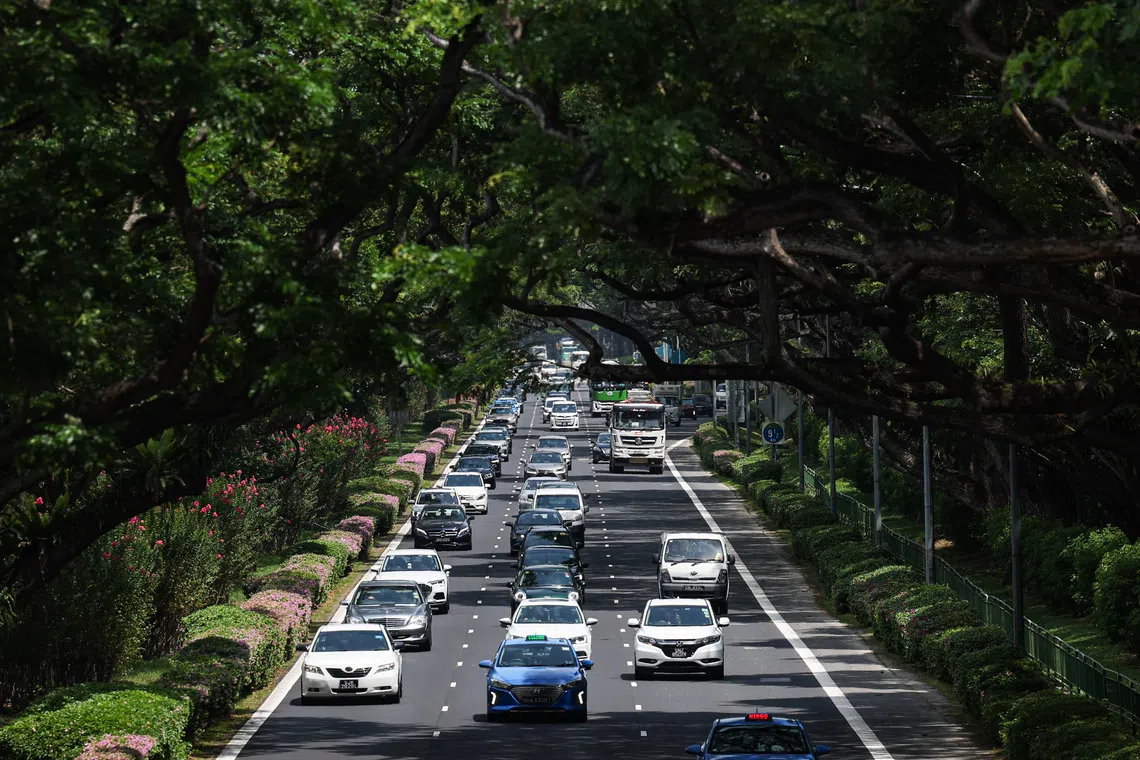
Generic of vehicles along East Coast Parkway (ECP) on June 29, 2026. Can be used for stories on vehicles, cars, vans, COE, ERP, road tax. ST PHOTO: BRIAN TEO
Vanessa Paige Chelvan
Published Sep 08, 2026, 02:05 PM
Updated Sep 08, 2026, 02:05 PM
SINGAPORE - From September , deregistered vehicles detected by police or Land Transport Authority (LTA) officers during their patrols will be wheel clamped for seizure, the authorities announced on Sept 8, as a proposed law to keep such vehicles off roads here was put before Parliament.
The Land Transport and Related Matters (No. 2) Bill outlines four key measures to enforce the timely and proper disposal of deregistered vehicles. The authorities say such vehicles are illegal to use and pose serious road safety risks as they do not have valid insurance and are not road-worthy.
Some have also been involved in hit-and-run accidents and criminal activities, including drug trafficking.
The proposed law will, among other things, enable the implementation of a new Authorised Exporter Scheme. Under the scheme, deregistered vehicles must be exported through LTA-authorised exporters. Currently, owners can arrange the export themselves or through a motor dealer or freight service.
The Bill also introduces a new offence for people who sell or supply deregistered vehicles knowing, or without considering whether the vehicles will be kept or used on Singapore roads. Those convicted can be fined up to $20,000 and/or jailed for up to two years, with penalties doubled for repeat offenders.
The Bill was introduced by Minister of State for Transport Baey Yam Keng for a First Reading in Parliament on Sept 8.
The proposed law comes on the back of an increase in reported cases of deregistered vehicles being used on roads here, said the Ministry of Transport (MOT), LTA and Singapore Police Force (SPF) in a joint statement.
There were 40 such cases in 2022, and 39 in 2023. This jumped to 75 in 2024 and 245 in 2025. In the first five months of 2026, LTA investigated 122 cases.
Other than the proposed legislative amendments, the agencies said in the statement that they will step up enforcement efforts against the use of such vehicles.
This includes wheel clamping deregistered vehicles for seizure, and conducting more joint enforcement operations, such as roadblocks and patrols at identified hotspots.
Legislative measures proposed under new Bill
Under the Authorised Exporter Scheme outlined in the new Bill, the LTA-authorised exporters will be subject to compliance requirements to ensure the vehicles are properly disposed of. They must, for example, store the vehicles and carry out export-related activities such as cutting and packing within LTA-approved and secured premises.
The scheme is intended to address the risk of rogue exporters failing to properly dispose of or export deregistered vehicles, the authorities said. LTA will give the industry at least one year to transition before the scheme is implemented.
The Bill will also cut the grace period for owners to fulfil disposal requirements from one month to 14 days. The authorities said the shorter period will lower the risk of deregistered vehicles being misused before they are properly disposed.
Vehicle owners will only need to hand their deregistered vehicles to authorised exporters, authorised scrapyards or authorised export processing zone operators, and will no longer need to submit disposal documents to LTA.
Those convicted of failing to submit proof that their deregistered vehicles have been disposed of will also face a daily fine of up to $500 until proof of disposal is submitted.
The Bill will also empower the Government to prevent new or used vehicles from being registered by or transferred to high-risk individuals who may fail to dispose of them when they are deregistered.
These include people with records of keeping deregistered vehicles, as well as “juveniles under 18 who may be vulnerable to exploitation by criminal syndicates”.
The measures build on higher penalties that took effect in February. First-time offenders who keep or use unregistered or deregistered vehicles can be fined up to $20,000 and/or jailed for up to two years, with penalties doubled for repeat offenders.
Vanessa Paige Chelvan is a correspondent at The Straits Times. She writes about all things transport and pens the occasional commentary.
Singapore Parliament
Ministry of Transport
2026年6月29日,东海岸公园大道(ECP)沿线车辆的通用照片。可用于报道车辆、轿车、货车、拥车证(COE)、企业道路通行证(ERP)和路税等相关内容。照片由《海峡时报》摄影师张文杰(BRIAN TEO)拍摄。
凡妮莎·佩奇·切尔万
发布于 2026 年 9 月 8 日下午 2:05
更新于2026年9月8日下午2:05
新加坡——当局于9月8日宣布,从9月起,警方或陆路交通管理局(LTA)官员在巡逻中发现的已注销车辆将被锁上车轮并予以扣押。与此同时,一项旨在禁止此类车辆上路的法律提案已提交国会审议。
《陆路交通及相关事项(第二号)法案》列出了四项关键措施,旨在确保及时妥善处置已注销车辆。当局表示,此类车辆使用违法,且由于缺乏有效保险和不符合道路行驶标准,会对道路安全构成严重威胁。
有些人还卷入了肇事逃逸事故和犯罪活动,包括贩毒。
拟议的法律除其他事项外,将促成一项新的授权出口商计划的实施。根据该计划,注销车辆必须通过陆路交通管理局(LTA)授权的出口商出口。目前,车主可以自行安排出口,也可以通过汽车经销商或货运公司安排出口。
该法案还新增了一项罪行,即任何人在明知或未考虑车辆是否会在新加坡道路上使用或保留的情况下,出售或供应已注销车辆。被定罪者可被处以最高2万新元的罚款和/或最高两年的监禁,屡犯者处罚将加倍。
该法案由交通部政务部长白炎庆于9月8日提交国会进行一读。
交通部、陆路交通管理局和新加坡警察部队在一份联合声明中表示,这项拟议的法律是由于近期报告的注销车辆在新加坡道路上行驶的案例增加而提出的。
2022年有40起此类案件,2023年有39起。2024年跃升至75起,2025年跃升至245起。2026年的前五个月,陆路交通管理局调查了122起案件。
除了拟议的立法修正案外,这些机构在声明中表示,他们将加大力度打击使用此类车辆的行为。
这包括对已注销车辆进行车轮锁扣以予以扣押,以及在已确定的热点地区开展更多联合执法行动,例如设置路障和巡逻。
根据新法案提出的立法措施
根据新法案中概述的授权出口商计划,获得陆路交通管理局(LTA)授权的出口商须遵守相关合规要求,以确保车辆得到妥善处置。例如,他们必须在LTA批准且安全的场所内存放车辆,并开展诸如切割和包装等出口相关活动。
当局表示,该计划旨在解决不法出口商未能妥善处置或出口已注销车辆的风险。陆路交通管理局将给予该行业至少一年的过渡期,之后才会实施该计划。
该法案还将车主履行处置义务的宽限期从一个月缩短至14天。当局表示,缩短宽限期将降低注销车辆在妥善处置前被滥用的风险。
车主只需将注销车辆交给授权出口商、授权废品回收站或授权出口加工区运营商,不再需要向陆路交通管理局提交处置文件。
那些未能提交已注销车辆已处置证明的人,在提交处置证明之前,每天将被处以最高 500 美元的罚款。
该法案还将赋予政府权力,防止新车或二手车被高风险个人登记或转让,因为这些个人可能无法在车辆注销时处置这些车辆。
其中包括有持有注销车辆记录的人,以及“可能容易受到犯罪集团剥削的 18 岁以下青少年”。
这些措施是在2月份生效的更严厉处罚措施的基础上制定的。初犯者如持有或使用未注册或已注销车辆,可被处以最高20,000美元的罚款和/或最高两年的监禁;对于屡犯者,处罚将加倍。
Vanessa Paige Chelvan是《海峡时报》的记者。她撰写有关交通运输方面的文章,偶尔也撰写评论文章。
新加坡国会
交通部