Terrorist threat in Singapore remains high, fuelled by Middle East conflicts: ISD新加坡情报局表示,受中东冲突影响,新加坡的恐怖主义威胁依然居高不下。
Youth radicalisation remains a pressing concern, with more young people getting radicalised. Read more at straitstimes.com.
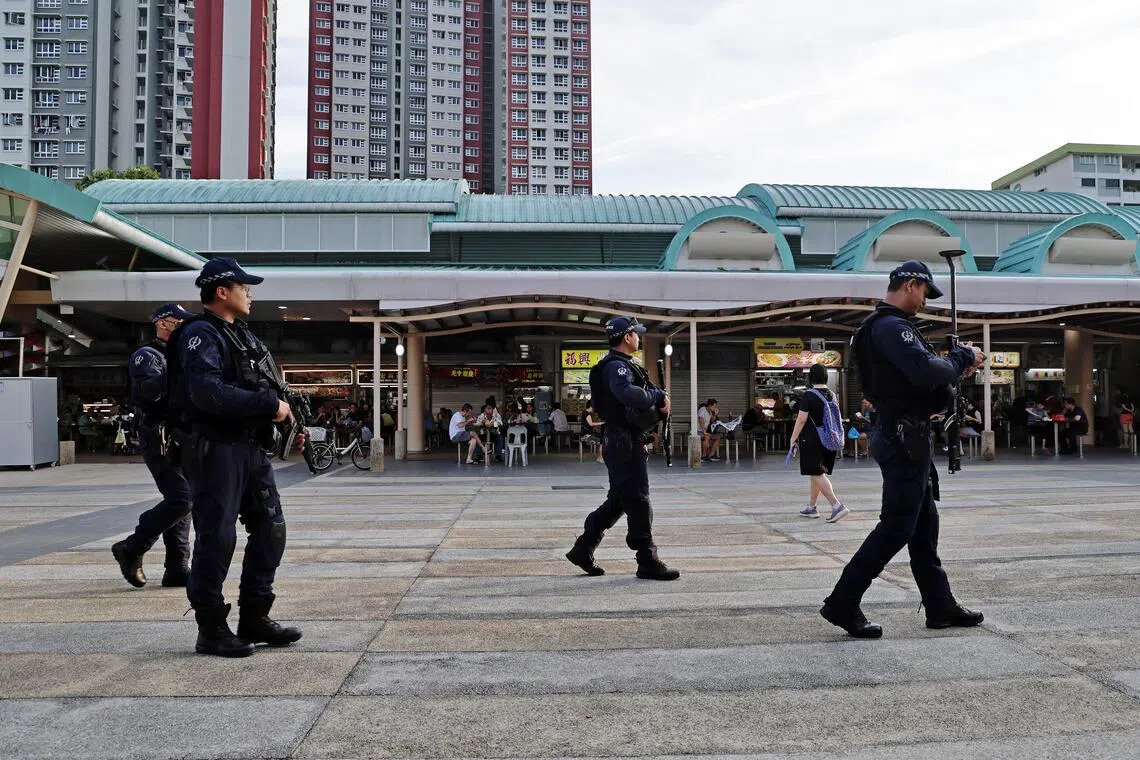
The Internal Security Department said public vigilance and early reporting is critical to detecting radicalised individuals before they act.
ST PHOTO: KELVIN CHNG
Published Sep 10, 2026, 05:00 AM
Updated Sep 10, 2026, 05:00 AM
The terrorism threat in Singapore remains high due to Middle East conflicts, with youth radicalisation cases nearly quadrupling since 2022, driven by extremist propaganda and online influences.
Singapore faces threats from global Islamist groups like ISIS and Al-Qaeda; several youth were radicalised via social media, including through online gaming platforms that normalise violence.
ISD uses a whole-of-society approach involving detection, rehabilitation, public awareness, and legislation to counter radicalisation, urging the public to recognise and report early signs of extremism.
SINGAPORE – A volatile global security environment fuelled by the ongoing conflicts in the Middle East is contributing to the high terrorism threat facing Singapore, said the Internal Security Department (ISD) .
In its annual terrorism report on Sept 10 , the ISD said terrorist and extremist groups have exploited the Israeli-Palestinian conflict , and the US and Israel conflict with Iran , to spread propaganda and incite their supporters to mount attacks against their perceived enemies.
The report noted that tensions in the Middle East have contributed to growing hostilities between communities, and anti-Semitism has surged in many parts of the world.
Meanwhile, anti-Muslim rhetoric and Islamophobia have also intensified.
The conflicts have in part contributed to an increase in youth radicalisation cases dealt with under the Internal Security Act (ISA).
ISD said that youth radicalisation is a pressing concern , with the number of cases involving young people in the past five years almost quadrupling from four cases between 2017 and 2021 to 15 cases since 2022 .
Three of the young people detained between April and June 2026, aged between 14 and 19, had formulated local attack plans, and were close to executing them.
Beyond detecting and disrupting security threats, ISD said extensive efforts go into rehabilitating and reintegrating radicalised individuals into society.
It said that since 2002, more than 80 per cent of Singaporeans detained under the ISA have been released after making good progress in their rehabilitation.
Meanwhile, ISD said the threat posed by global Islamist terror groups such as Al-Qaeda and the Islamic State in Iraq and Syria (ISIS) has persisted.
Although there is currently no specific intelligence of an imminent terrorist attack against Singapore, the report said the Republic is an attractive target because of its perceived friendly ties with Western nations, including the US and Israel, the presence of iconic landmarks, and its status as a secular and multicultural society.
ISD also flagged other concerns in the report, including the potential return of foreign terrorist fighters (FTFs) to South-east Asia.
The fighters include 308 individuals, claiming to be Indonesian escapees from the Al-Hol camp in Syria, who reported to the Indonesian Embassy in Damascus.
“The potential return of such FTFs to South-east Asia, especially if undetected, would heighten the terrorism threat as they could plot attacks, impart operational know-how or inspire others,” said ISD.
The report also flagged concerns about former prisoners with Hamas links and militant experience resettling in Malaysia.
“As part of the ceasefire agreement and the Gaza Peace Plan in January and October 2025, thousands of Palestinian prisoners were released from Israeli jails, with many resettled in third countries.
“Among them were 15 ex-prisoners with Hamas links and militant experience who resettled in Malaysia,” said ISD.
It added that it is possible that more former prisoners with dangerous antecedents could similarly relocate to South-east Asia, which would present security risks to the region.
“These developments are of concern, given Hamas operatives’ previous attempts to use South-east Asia as a base for recruitment and attack planning against Israeli targets in the region,” said ISD.
Since its last report in July 2025 , ISD said it has dealt with eight Singaporeans under the ISA , seven of whom were self-radicalised males aged 14 to 30 .
The eighth case involved 30-year-old Muhammad Jihadul Mustaqiim Mahmud, who was issued a restriction order for his intention to engage in politically motivated violence overseas . He was not assessed to be radicalised at the point of ISD’s investigation.
The report noted that ISIS’ terrorist propaganda, which is easily accessible online, continues to radicalise Singaporeans.
Among the eight dealt with under the ISA, five were ISIS supporters . They were all under the age of 21 and were first exposed to pro-ISIS materials on social media platforms.
Three of the eight were radicalised by the re-escalation of the Israeli-Palestinian conflict in October 2023, said ISD.
Two of them were Hamas supporters and three of them subscribed to multiple, sometimes conflicting, extremist ideologies.
The report said those getting radicalised are also getting younger.
The youngest person to have been detained under the ISA to date was a 14-year-old youth who supported ISIS and held far-right extremist ideologies. The Secondary 2 student was detained in June 2026 after drafting a 21-page manifesto detailing his plan to conduct a stabbing attack against non-Muslim teachers and students at his school .
Another youth, aged 15, was detained in April after he made preparations to establish an Islamic caliphate in South-east Asia through violent means as he was unable to join ISIS in Syria, said ISD.
He wanted to conduct an attack in Singapore in support of ISIS using “pressure cooker” bombs after watching an online video on the 2013 Boston Marathon bombing.
ISD said it has come across terminology and slang associated with online incel culture when dealing with the eight males. Incel is short for involuntary celibate, which refers to a subculture of individuals, mostly men, who identify as being unable to find a romantic or sexual partner despite wanting one.
Incel is a subset of the “manosphere”, ISD said, referring to the online network of communities centred on male supremacism , anti-feminism and grievance-based views about gender.
ISD said family members, friends and others in the community play an important role in recognising and reporting early signs of radicalisation.
It added that the majority of the self-radicalised youth showed signs of radicalisation to those around them, such as sharing their extremist views and pro-ISIS content with their family and friends.
Online platforms have also enabled extremist content to spread rapidly , accelerating the radicalisation process, said ISD.
“Online gaming platforms, in particular, have featured in several recent youth radicalisation cases in Singapore. The youth have used online games to simulate terrorist attacks or mass shootings,” it added.
This can normalise their attitudes towards violence and reinforce their fascination with violent perpetrators.
A Secondary 3 student was issued a restriction order in November 2025 after he recreated ISIS-style attacks and executions on Gorebox , a sandbox game which allows players to simulate violent scenarios.
The 14-year-old created videos using footage from his online gameplay to show his support for ISIS.
Singapore uses a whole-of-society approach to counter terrorism and violent extremism, said ISD.
It is expanding its outreach to more sectors and community touchpoints. In 2025 , ISD organised 67 workshops for more than 2,500 participants in the youth sector, including student leaders and educators.
To address the extremist content online, ISD works with the Singapore Police Force (SPF) to identify and restrict access to online content that promotes terrorism and radicalisation or incites violence. It does so through measures under the Online Criminal Harms Act.
In May , SPF unveiled unmanned drones which can provide real-time aerial coverage and AI-assisted tracking. SPF expects to deploy more than 200,000 police cameras across Singapore by the mid-2030s to significantly bolster public safety and security.
Since 2002, ISD has issued ISA orders against 156 Singaporeans for terrorism-related conduct. Of these, 106 were issued orders of detention, while 50 were issued restriction orders.
Of those detained, about four out of five had made good progress in their rehabilitation, leading to 87 of them being released . Of those issued with restriction orders, 40 have had their orders lapse .
ISD emphasised the importance of knowing the signs of radicalisation, so that people may report at-risk individuals early.
Some of these signs include frequent surfing of radical websites, expressing support or admiration for terrorists on social media, an interest in extreme violence and gore, and making remarks that promote ill will or hatred towards people of other races, religions or communities.
It said public vigilance and early reporting is critical to detecting radicalised individuals before they act, adding that members of the public should report to ISD if they suspect that someone close to them might be radicalised.
“Doing so allows the individual to receive the timely help they need and keeps society safe. It is important not to dismiss or overlook signs of radicalisation, even when there is uncertainty about how serious they may be,” said ISD.
Members of the public are encouraged to take part in the SGSecure movement and learn how to spot suspicious behaviours and signs of radicalisation, and how to respond if caught in a terror attack.
Anyone who knows or suspects that a person has been radicalised should call the ISD hotline on 1800-2626-473 or e-mail isd@mha.gov.sg
Ministry of Home Affairs
Internal Security Act
国内安全部门表示,公众的警惕性和及早举报对于在激进分子采取行动之前发现他们至关重要。
《海峡时报》摄影:KELVIN CHNG
发布于 2026 年 9 月 10 日上午 5:00
更新于2026年9月10日上午5:00
由于中东冲突,新加坡的恐怖主义威胁依然很高,自 2022 年以来,受极端主义宣传和网络影响,青年激进化案件几乎增加了三倍。
新加坡面临着来自 ISIS 和基地组织等全球伊斯兰主义组织的威胁;一些青年通过社交媒体(包括将暴力正常化的在线游戏平台)变得激进。
ISD采用全社会参与的方式,包括侦查、康复、提高公众意识和立法来打击激进化,敦促公众识别并举报极端主义的早期迹象。
新加坡——内部安全局表示,中东持续不断的冲突加剧了全球安全环境的动荡,导致新加坡面临严重的恐怖主义威胁。
美国情报安全局 (ISD) 在 9 月 10 日发布的年度恐怖主义报告中指出,恐怖组织和极端组织利用以色列-巴勒斯坦冲突以及美国和以色列与伊朗的冲突,散布宣传,煽动其支持者对他们认定的敌人发动袭击。
报告指出,中东地区的紧张局势加剧了不同族群之间的敌对情绪,反犹太主义在世界许多地方也愈演愈烈。
与此同时,反穆斯林言论和伊斯兰恐惧症也愈演愈烈。
这些冲突在一定程度上导致了根据《内部安全法》(ISA)处理的青年激进化案件数量的增加。
ISD表示,青少年激进化是一个紧迫的问题,过去五年涉及年轻人的案件数量几乎翻了两番,从2017年至2021年的4起增加到2022年以来的15起。
2026 年 4 月至 6 月期间被拘留的三名青少年,年龄在 14 岁至 19 岁之间,制定了本地袭击计划,并且即将实施。
除了发现和阻止安全威胁外,ISD 还投入大量精力对激进分子进行改造和重新融入社会。
报告称,自 2002 年以来,超过 80% 根据《内部安全法》被拘留的新加坡人在康复方面取得良好进展后获释。
与此同时,ISD表示,基地组织和伊拉克和叙利亚伊斯兰国(ISIS)等全球伊斯兰恐怖组织构成的威胁依然存在。
虽然目前还没有关于新加坡即将遭受恐怖袭击的具体情报,但该报告称,由于新加坡与包括美国和以色列在内的西方国家关系友好,拥有标志性地标,并且是一个世俗和多元文化的社会,因此新加坡是一个有吸引力的目标。
ISD还在报告中指出了其他一些担忧,包括外国恐怖主义战斗人员(FTF)可能返回东南亚。
这些武装分子包括 308 名自称是从叙利亚 Al-Hol 难民营逃脱的印尼人,他们已向印尼驻大马士革大使馆报到。
“此类外国恐怖分子可能重返东南亚,尤其是在未被发现的情况下,这将加剧恐怖主义威胁,因为他们可能策划袭击、传授作战技巧或激励他人,”情报安全局表示。
该报告还对与哈马斯有联系且有武装分子经历的前囚犯在马来西亚重新安置表示担忧。
“作为2025年1月和10月停火协议和加沙和平计划的一部分,数千名巴勒斯坦囚犯从以色列监狱获释,其中许多人被安置在第三国。
“其中有 15 名与哈马斯有联系且有武装经验的前囚犯,他们已在马来西亚重新定居,”ISD 表示。
报告还指出,更多有危险前科的前囚犯可能会以类似方式移居东南亚,这将给该地区带来安全风险。
“鉴于哈马斯武装分子此前曾试图利用东南亚作为招募人员和策划袭击该地区以色列目标的基地,这些事态发展令人担忧,”以色列安全局表示。
自 2025 年 7 月上次报告以来,内部安全局表示,它已根据《内部安全法》处理了 8 名新加坡人,其中 7 人是 14 至 30 岁的自我激进化男性。
第八起案件涉及30岁的穆罕默德·吉哈杜尔·穆斯塔基姆·马哈茂德,他因意图在海外参与政治暴力活动而被下达限制令。在情报部门调查时,他并未被评估为激进分子。
报告指出,ISIS 的恐怖主义宣传很容易在网上获取,这持续使新加坡人走向极端化。
根据《伊斯兰国法》处理的八人中,有五人是“伊斯兰国”的支持者。他们都未满21岁,最初都是通过社交媒体平台接触到支持“伊斯兰国”的内容。
ISD表示,这八人中有三人因2023年10月以色列-巴勒斯坦冲突的再次升级而变得激进。
其中两人是哈马斯支持者,三人信奉多种有时相互矛盾的极端主义意识形态。
报告称,那些变得激进的人也越来越年轻。
迄今为止,根据《内部安全法》被拘留的最年轻的人是一名14岁的少年,他支持“伊斯兰国”,并持有极右翼极端主义思想。这名中二学生于2026年6月被拘留,此前他起草了一份长达21页的宣言,详细阐述了他计划在其学校对非穆斯林教师和学生发动持刀袭击的计划。
据ISD称,另一名15岁的青年在4月份被拘留,因为他未能加入叙利亚的ISIS,便准备通过暴力手段在东南亚建立一个伊斯兰哈里发国。
在观看了一段关于 2013 年波士顿马拉松爆炸案的在线视频后,他想在新加坡使用“压力锅”炸弹发动袭击,以支持 ISIS。
ISD表示,在处理这八名男性案件的过程中,他们遇到了与网络上的“非自愿独身者”(incel)文化相关的术语和俚语。“非自愿独身者”(incel)指的是一个亚文化群体,他们大多是男性,尽管渴望恋爱或性伴侣,却无法找到。
ISD表示,Incel是“manosphere”的一个子集,指的是以男性至上主义、反女权主义和基于不满的性别观点为中心的在线社区网络。
ISD表示,家庭成员、朋友和社区其他成员在识别和报告激进化的早期迹象方面发挥着重要作用。
报告还指出,大多数自我激进化的青年都向周围的人表现出激进化的迹象,例如与家人和朋友分享他们的极端主义观点和支持ISIS的内容。
ISD表示,网络平台也使得极端主义内容得以迅速传播,加速了激进化进程。
报告还指出:“网络游戏平台尤其在新加坡近期发生的几起青少年激进化案件中扮演了重要角色。这些青少年利用网络游戏模拟恐怖袭击或大规模枪击事件。”
这可能会使他们对暴力的态度正常化,并加深他们对暴力施暴者的迷恋。
2025 年 11 月,一名中三学生在 Gorebox(一款允许玩家模拟暴力场景的沙盒游戏)上重现了 ISIS 式的袭击和处决,之后被下达了限制令。
这名14岁的少年利用自己玩游戏的录像制作视频,以示对ISIS的支持。
新加坡情报局表示,新加坡采取全社会参与的方式来打击恐怖主义和暴力极端主义。
它正将其服务范围扩大到更多领域和社区接触点。2025年,ISD为青年领域的2500多名参与者(包括学生领袖和教育工作者)组织了67场研讨会。
为应对网络上的极端主义内容,信息安全局与新加坡警察部队合作,识别并限制访问宣扬恐怖主义和激进化或煽动暴力的网络内容。其依据是《网络犯罪危害法》。
今年5月,新加坡警察部队(SPF)推出了可提供实时空中监控和人工智能辅助追踪的无人机。SPF预计到2030年代中期,将在新加坡全国部署超过20万个警用摄像头,以显著提升公共安全。
自2002年以来,新加坡内部安全局已对156名新加坡公民发出内部安全法令,指控他们涉嫌恐怖主义活动。其中,106人被发出拘留令,50人被发出限制令。
在被拘留者中,约五分之四的人在改造方面取得了良好进展,其中87人获释。在被下达限制令的人中,40人的限制令已经失效。
ISD强调了解激进化迹象的重要性,以便人们能够及早举报有危险的人员。
这些迹象包括频繁浏览激进网站、在社交媒体上表达对恐怖分子的支持或钦佩、对极端暴力和血腥感兴趣,以及发表煽动对其他种族、宗教或社区人士的恶意或仇恨的言论。
声明称,公众保持警惕和及早举报对于在激进分子采取行动之前发现他们至关重要,并补充说,如果公众怀疑身边的人可能已经激进化,就应该向情报安全局报告。
“这样做既能让个人及时获得所需的帮助,也能保障社会安全。即使无法确定激进化的严重程度,也绝不能忽视或轻视这些迹象,”ISD表示。
我们鼓励公众参与 SGSecure 运动,学习如何识别可疑行为和激进化迹象,以及在遭遇恐怖袭击时如何应对。
任何知悉或怀疑有人已被极端化的人士,请拨打内部安全局热线1800-2626-473或发送电子邮件至isd@mha.gov.sg。
内政部
内部安全法