AI is wrongly telling us not to worry about sleep apnea, chats show聊天记录显示,人工智能错误地告诉我们不必担心睡眠呼吸暂停症。
Tossing and turning at night has been linked to multiple health woes, from weakened immune systems to higher risk of inflammation to diminished cognitive abilities.
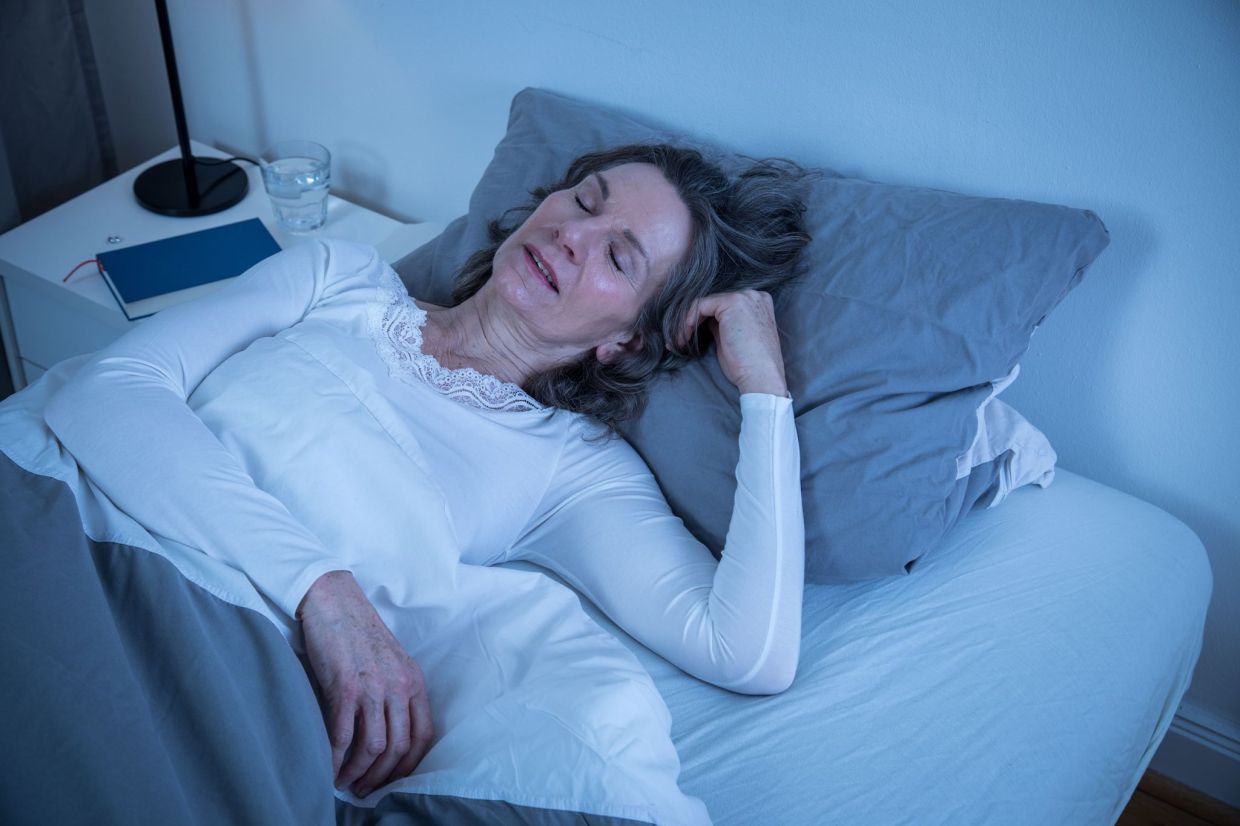
New research on how chatbots give advice on sleep apnea shows AI continues to remain dangerously sicophantic with users seeking medical advice, telling them what they want to hear and not what they need to hear. — CHRISTIN KLOSE/dpa
LONDON : Tossing and turning at night has been linked to multiple health woes, from weakened immune systems to higher risk of inflammation to diminished cognitive abilities.
Even those in the prime of life and at peak fitness can feel less than themselves after a restless night – so it goes without saying that one of the main causes, sleep apnea, should be regarded as a serious health issue.
Scientists warn about a creepy new AI side effect on humans
ChatGPT becomes first AI chatbot to face tougher EU rules
Schools are starting to teach AI literacy. For many, that means helping kids see chatbots' flaws
Thank you for your report!
Washington accuses Chinese AI firms of 'systematic' theft
AI masterplan unveiled
OpenAI pushes for mandatory national AI safety requirements
一项关于聊天机器人如何提供睡眠呼吸暂停建议的新研究表明,人工智能在用户寻求医疗建议时仍然存在危险的欺骗性,它只会告诉用户他们想听的,而不是他们需要听的。——克里斯汀·克洛斯/德新社
伦敦:夜间辗转反侧与多种健康问题有关,从免疫系统减弱到炎症风险增加,再到认知能力下降。
即使是正值壮年、身体素质极佳的人,在经历了一夜辗转难眠后,也会感到精神不振——因此,睡眠呼吸暂停症作为主要病因之一,理应被视为一个严重的健康问题。
科学家警告:人工智能可能对人类产生令人毛骨悚然的副作用
ChatGPT成为首个面临更严格欧盟规定的AI聊天机器人
学校开始教授人工智能素养。对许多学校来说,这意味着帮助孩子们了解聊天机器人的缺陷。
感谢您的报告!
华盛顿指责中国人工智能公司“系统性”窃取数据
人工智能总体规划揭晓
OpenAI 推动制定强制性国家人工智能安全要求