How far is there to go until the US and Iran end the war?美国和伊朗距离结束战争还有多远?
A tentative deal has been reached to end the war and restart transit in the Strait of Hormuz, and then negotiations on more difficult issues would begin.
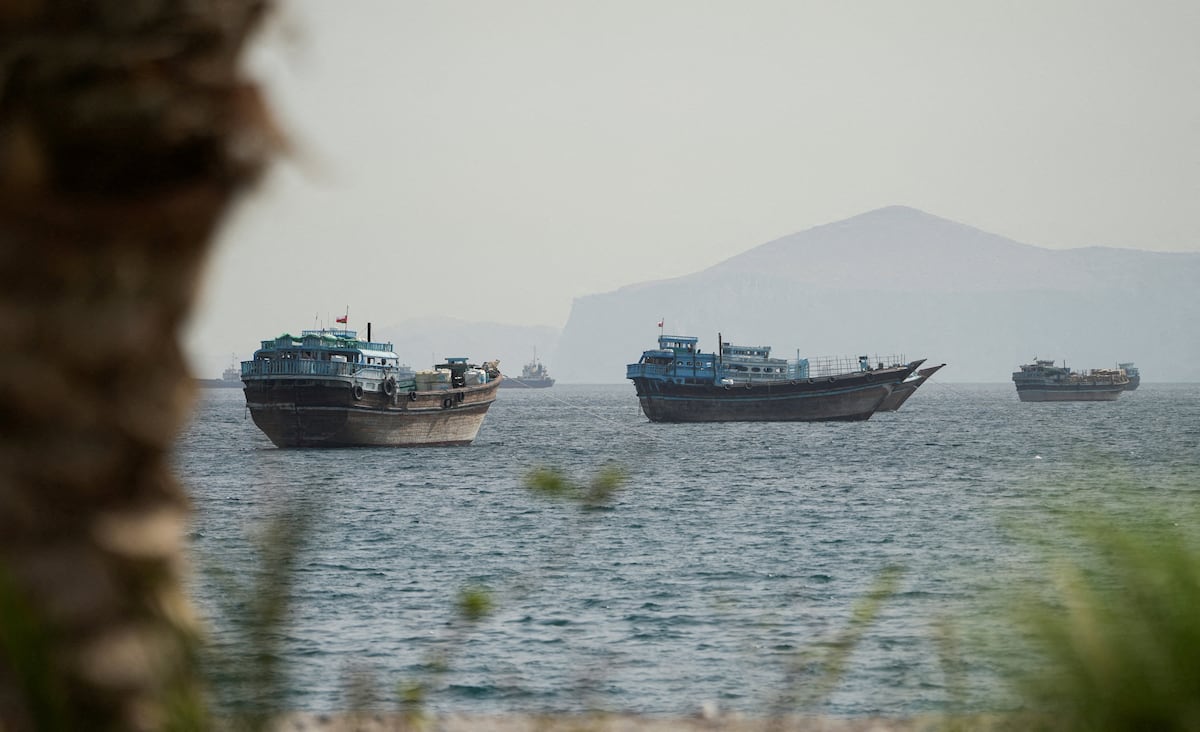
The United States and Iran have reached an agreement to extend a ceasefire , allow shipping through the Strait of Hormuz and lift a U.S. blockade and some sanctions on Iran, sources told Reuters, but the deal has not been finalized.
An agreement would represent a big step toward ending a war that has pushed the world toward an energy crisis , though the underlying dispute over Iran’s nuclear program would only be thrashed out in talks over subsequent weeks.
Where are the discussions now?
Following a ceasefire in early April, the two sides have remained at odds on issues including Iran’s nuclear ambitions, Israel’s war in Lebanon with the Iranian-backed Hezbollah militia, and Tehran’s demands for the lifting of sanctions and the release of frozen assets.
After weeks of mainly indirect talks, four sources familiar with the matter said on Thursday that the U.S. and Iran had agreed a memorandum of understanding that would halt the war and give negotiators 60 days to reach a final deal.
However, both sides have said several times before that they believed an agreement was close but without ever concluding an agreement. The position of Israel, which launched the air war on Iran on February 28 alongside the United States, is central to any deal but its role in the agreement is unclear.
President Donald Trump has not yet approved the deal, according to the sources. Vice President JD Vance said on Thursday: “We’re not there, but we’re very close and we’re going to keep working on it”.
Iran has not yet formally commented, but the semi-official Tasnim news agency cited a source close to the negotiating team as saying the text of the agreement had not yet been finalised or confirmed.
Iranian sources have previously said a framework deal is only about ending the war on all fronts, establishing a 30-day framework for international and Iranian movement through the Strait of Hormuz and possibly providing some financial relief.
There would then be negotiations on the more difficult issues, such as the status of Iran’s highly enriched uranium and details concerning the strait, and the sequencing of the many points in the preliminary deal such as sanctions relief and security.
The last deal over the nuclear program — struck in 2015 and torn up by Trump in 2018 — took years of negotiations between large teams of technical experts.
Hormuz and the gulf blockade
Iran’s closure of the Strait of Hormuz, the conduit for a fifth of global supplies of oil and liquefied natural gas, has pushed up oil prices. Reopening the strait is the U.S. priority and Iran’s main point of leverage, but it could take time.
Many vessels are stuck in the Gulf and Iran says it has laid some sea mines that could be difficult to locate.
The U.S. blockade on Iranian ports is hitting Iran’s own exports and state revenue. Lifting this is one of Tehran’s main goals. A sensitive issue could be how far U.S. forces withdraw.
The U.S. says it believes Iran wants to build a nuclear bomb. Iran has always denied this, saying its atomic program is for peaceful purposes only. The focus is on its enrichment of uranium, which generates fuel for nuclear power but can also make material for a warhead.
The nuclear question is extremely complicated. Iran might eventually agree to dilute part of its highly enriched uranium in a friendly country into uranium enriched to 5% purity and then have it returned, Iranian sources said.
But many other issues would still need to be addressed: How long the nuclear program would be halted, whether nuclear sites would be dismantled, what happens to stockpiles of uranium enriched to 20% and 5%, the future of Iran’s advanced centrifuges and research and development programs and the rules governing an inspections regime, among others.
A prominent U.S. demand before the war was that Iran limit the range of its ballistic missiles so that they could not reach Israel. Iran has always said its right to conventional weapons is non-negotiable and that it still has a large arsenal.
Sanctions and frozen assets
Iran’s economy has been hurt by sanctions for years, contributing to the nationwide unrest in January. Tehran badly needs them to be lifted and tens of billions of dollars of Iranian oil revenues frozen in foreign banks to be released. It also wants reparations for war damage.
The U.S. has resisted this, with Trump having lambasted former president Barack Obama for having returned some frozen assets to Iran under the 2015 nuclear deal. Some media have reported that the latest draft agreement would include an investment program for Iran.
Iran has repeatedly said that Israel’s war against its main ally Hezbollah in Lebanon must be included in any deal. Israel and Lebanon agreed a ceasefire last month but both Israel and Hezbollah accuse each other of repeated violations and Israel’s military is ramping up its campaign in southern Lebanon. Israel would oppose any U.S.-Iran agreement that limits its ability to act in Lebanon.
据路透社报道,消息人士称,美国和伊朗已达成协议,延长停火期限,允许船只通过霍尔木兹海峡,并解除美国对伊朗的封锁和部分制裁,但该协议尚未最终敲定。
达成协议将是结束这场将世界推向能源危机的战争的一大步,尽管围绕伊朗核计划的根本争议只能在接下来的几周谈判中解决。
现在讨论进行到什么程度了?
4月初停火后,双方在伊朗的核野心、以色列与伊朗支持的黎巴嫩真主党民兵的战争以及德黑兰要求解除制裁和释放冻结资产等问题上仍然存在分歧。
经过数周主要以间接方式进行的谈判,四位知情人士周四表示,美国和伊朗已达成一项谅解备忘录,该备忘录将停止战争,并给予谈判代表 60 天时间达成最终协议。
然而,双方此前曾多次表示相信协议即将达成,但始终未能最终敲定。以色列的立场对任何协议都至关重要,因为以色列与美国于2月28日共同发动了对伊朗的空袭,但以色列在协议中的角色尚不明确。
据消息人士透露,唐纳德·特朗普总统尚未批准这项协议。副总统JD·万斯周四表示:“我们还没达成协议,但已经非常接近了,我们会继续努力。”
伊朗方面尚未正式发表评论,但半官方的塔斯尼姆通讯社援引一位接近谈判团队的消息人士的话称,协议文本尚未最终确定或确认。
伊朗方面此前曾表示,框架协议仅旨在结束所有战线的战争,为国际社会和伊朗通过霍尔木兹海峡的通行建立为期 30 天的框架,并可能提供一些财政援助。
接下来将就更棘手的问题进行谈判,例如伊朗高浓缩铀的地位、海峡相关细节,以及初步协议中诸多要点的先后顺序,例如解除制裁和安全问题。
关于核计划的上一项协议——于 2015 年达成,并于 2018 年被特朗普撕毁——是众多技术专家团队经过数年谈判才达成的。
霍尔木兹海峡和海湾封锁
伊朗封锁霍尔木兹海峡——全球五分之一的石油和液化天然气供应通道——推高了油价。重新开放海峡是美国的首要任务,也是伊朗的主要筹码,但这可能需要时间。
许多船只被困在海湾,伊朗方面表示已布设了一些水雷,这些水雷可能难以定位。
美国对伊朗港口的封锁正在打击伊朗自身的出口和国家财政收入。解除封锁是德黑兰的主要目标之一。美军撤离的范围可能是一个敏感问题。
美国声称认为伊朗意图制造核武器。伊朗一直否认这一说法,并表示其原子能计划仅用于和平目的。伊朗的重点是铀浓缩,铀浓缩既可用于生产核燃料,也可用于制造核弹头材料。
核问题极其复杂。伊朗消息人士称,伊朗最终可能会同意在友好国家将其部分高浓缩铀稀释至5%纯度,然后再将其运回。
但还有许多其他问题需要解决:核计划会停止多久,核设施是否会被拆除,浓缩度为 20% 和 5% 的铀库存将如何处理,伊朗先进离心机和研发计划的未来,以及核查制度的规则等等。
战前美国的一项重要要求是伊朗限制其弹道导弹的射程,使其无法打到以色列。伊朗一直坚称其拥有常规武器的权利不容谈判,并表示其仍然拥有大量武器库。
制裁和冻结资产
多年来,制裁一直重创伊朗经济,并加剧了今年1月全国范围内的动荡。德黑兰迫切需要解除制裁,并解冻被冻结在海外银行的数百亿美元伊朗石油收入。此外,伊朗还要求获得战争赔偿。
美国一直反对这一做法,特朗普曾猛烈抨击前总统奥巴马,指责他根据2015年核协议将部分被冻结的资产归还给了伊朗。一些媒体报道称,最新的协议草案将包含一项针对伊朗的投资计划。
伊朗一再表示,任何协议都必须包含以色列对黎巴嫩境内其主要盟友真主党发动的战争。以色列和黎巴嫩上个月达成停火协议,但双方均指责对方屡次违反协议,以色列军方正在黎巴嫩南部加大军事行动力度。以色列将反对任何限制其在黎巴嫩行动能力的美国-伊朗协议。