Israeli defense firms lament a chill from erstwhile client Philippines以色列国防企业对昔日客户菲律宾的冷淡态度表示不满。
The source of the bilateral freeze is murky, with some executives here blaming the Israeli government’s unwillingness to back Filipino sovereignty claims.
JERUSALEM — Israeli defense companies have begun questioning their government about a chill in relations with the Philippines, as officials in Manila appear to be turning away from a longtime supplier of defense equipment.
The source of the bilateral freeze is murky, with some executives here blaming the Israeli government’s unwillingness to back Filipino sovereignty claims in the South China Sea.
The Israeli Ministry of Defense’s mandate of prioritizing equipment deliveries to Israeli forces amid the Gaza war – at the expense of international customers – also is to blame, industry officials have said.
“The competitors are already aware and have begun to act on it,” one executive told Defense News, speaking on condition of anonymity while discussing the sensitive matter.
Israeli companies were most recently observing the Manila chill during the DSEI Japan defense exhibition, which ran from May 21 to May 23, according to an Israeli industry insider who said Filipino representatives appeared interested in Japanese products instead.
The Philippines is the third-largest defense buyer from Israel, accounting for about 8.1% of total exports after the United States (13%) and India (34%). That is according to the Stockholm International Peace Research Institute (SIPRI) report from last March.
Defense purchases from Israel intensified during the period of Rodrigo Duterte as president of the Philippines. In his visit to Israel in September 2018 he said during a speech at a joint event with then-Israeli President Reuven Rivlin: “I instructed my military personnel that in the field of military equipment and weapons, there is only one country to buy from, and that is Israel.”
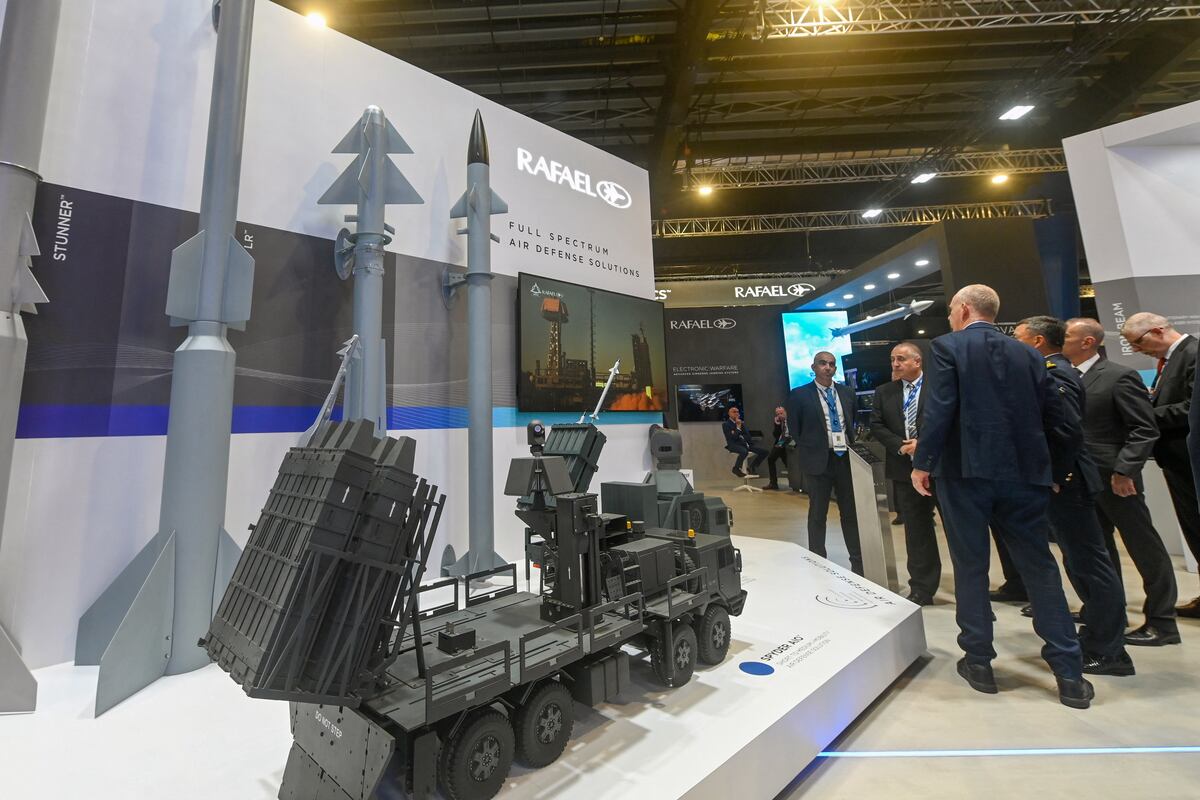
Among the Israeli defense systems purchased by the Philippines are the Spyder air defense systems from Rafael, Sabrah 2 light tanks from Elbit, Shaldag boats from Israel Shipyards, and Hermes-type drones.
Israeli defense companies declined to comment on the record. The Israeli Foreign Ministry wrote in a statement that “the issue is known and is in discussion with security officials and defense industries.”
A ministry spokesperson denied that Israel’s position on South China Sea claims is at the center of any disagreements.
The Philippine Embassy in Tel Aviv did not return a request for comment by press time.
Tzally Greenberg is the Israel correspondent for Defense News. He has experience reporting on economic affairs as well as defense and cyber companies.
耶路撒冷——以色列国防公司已开始就以色列与菲律宾关系降温一事向政府提出质疑,因为马尼拉官员似乎正在疏远这家长期以来的国防设备供应商。
双边关系冻结的原因尚不明确,一些高管将矛头指向以色列政府不愿支持菲律宾在南海的主权主张。
业内人士表示,以色列国防部在加沙战争期间优先向以色列军队交付装备,而牺牲国际客户的利益,这也是造成这种情况的原因之一。
一位高管在接受《防务新闻》采访时表示:“竞争对手已经意识到这一点,并开始采取行动。” 他在讨论这一敏感问题时要求匿名。
据一位以色列业内人士透露,以色列公司最近在 5 月 21 日至 23 日举行的日本防务展 DSEI 期间感受到了马尼拉的寒意,菲律宾代表似乎对日本产品更感兴趣。
菲律宾是以色列第三大国防产品买家,约占以色列国防产品出口总额的8.1%,仅次于美国(13%)和印度(34%)。这是根据斯德哥尔摩国际和平研究所(SIPRI)去年3月发布的报告得出的结论。
在罗德里戈·杜特尔特担任菲律宾总统期间,菲律宾从以色列的国防采购量显著增加。2018年9月,杜特尔特访问以色列,并在与时任以色列总统鲁文·里夫林共同出席的活动上发表讲话时表示:“我指示我的军方人员,在军事装备和武器领域,我们只能从一个国家购买,那就是以色列。”
菲律宾购买的以色列国防系统包括拉斐尔公司的 Spyder 防空系统、埃尔比特公司的 Sabrah 2 轻型坦克、以色列造船厂的 Shaldag 快艇以及 Hermes 型无人机。
以色列国防公司拒绝就此事发表正式评论。以色列外交部在一份声明中表示,“此事已为人所知,目前正在与安全官员和国防工业界进行讨论。”
该部发言人否认以色列在南海问题上的立场是任何分歧的焦点。
截至发稿时,菲律宾驻特拉维夫大使馆尚未回复置评请求。
扎利·格林伯格是《防务新闻》的以色列记者。他拥有丰富的经济事务以及国防和网络安全公司报道经验。