The Pentagon Thought it Could Retire the U-2 in 1969五角大楼曾认为可以在1969年让U-2退役。
Newly declassified documents show the iconic spy plane has survived attempts to send it to the boneyard for nearly fifty years.
新闻视频
By Joseph Trevithick
Updated Jul 3, 2020 4:14 AM EDT
The U.S. Air Force has gone back and forth repeatedly over whether it’s finally time to retire the venerable U-2 Dragon Lady spy plane. After the Budget Control Act capped defense spending in 2011, the service had even more reason to consider how much money it could save by replacing the iconic aircraft with other systems—most notably North Grumman’s RQ-4 Global Hawk drone.
Now, newly declassified documents show the Pentagon thought advanced aircraft and satellites, as well as improving air defense networks, would render the U-2 obsolete decades earlier. As early as 1965, at which point the Dragon Ladies had been flying missions for a decade, military intelligence officials were already planning for their retirement.
“Through long experience, the U-2 has proven to be an economical means to obtain high resolution photographic reconnaissance on a prompt basis,” a 1966 code-word classified recommendation explained. “Beyond the next two-to-three year time period, however, the need for the U-2 is less clear.”
On March 13, 2017, the National Reconnaissance Office (NRO) released this information and more as part of Sunshine Week, a national initiative focused on open government and transparency.
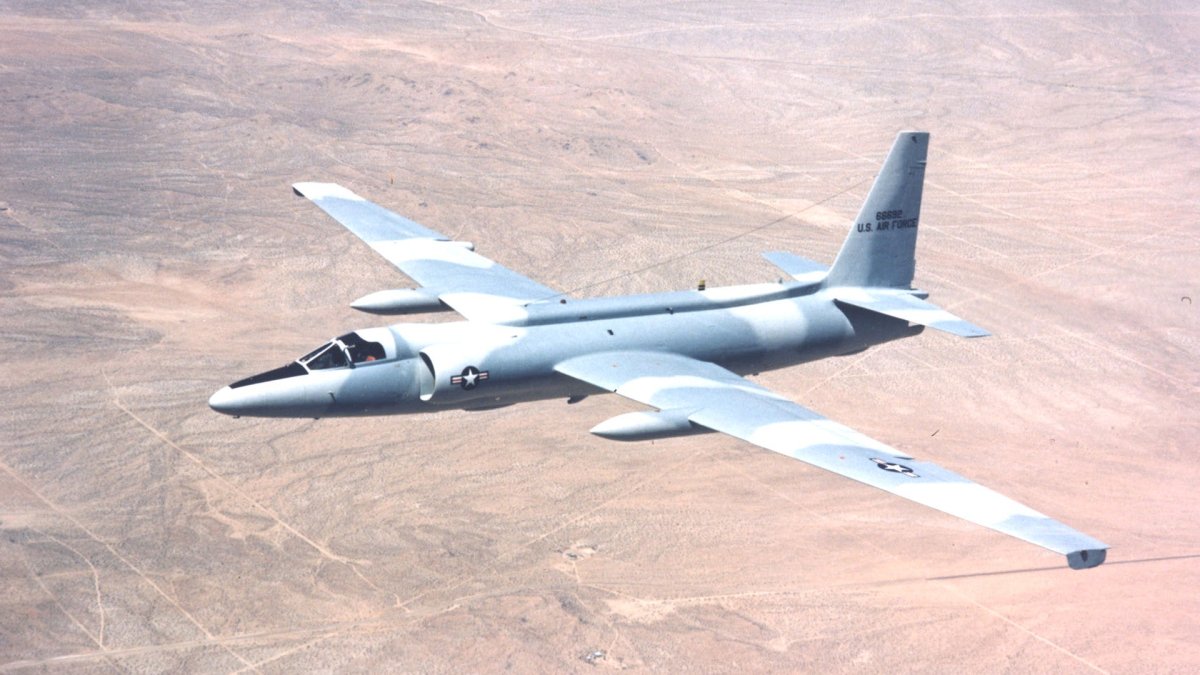
U-2 prototypes at Area 51 in , USAF
In 1966, the Air Force’s Strategic Air Command (SAC) had 15 operational U-2s of various types, plus another four set aside for research and development, according to the report. The Central Intelligence Agency (CIA) had another nine aircraft.
The two parties had shared the project since 1954, when they agreed to work together rather than compete over funds and resources. The Air Force had canceled its own X-16 spy plane program as part of the deal.
The next year, Lockheed’s U-2 made its first flight unintentionally at the secret Area 51 test facility , also known as Groom Lake, in Nevada. The aircraft’s design was so efficient it gained enough lift to take off as it taxied around on the runway.
In 1956, the slender, single-engine aircraft began overflying the Soviet Union and Eastern Europe. U-2s flew over Egypt’s Suez Canal during the Anglo-French-Israeli intervention. Over the next decade, operations expanded into Asia.
The Air Force and CIA initially hoped the aircraft’s high-altitude performance would protect it from enemy interceptors and surface-to-air missiles. The U-2A could fly above 70,000 feet and the improved U-2C had a service ceiling of nearly 75,000 feet.
But in 1960, the Soviet Union shot down one of the top secret planes, captured pilot Gary Powers, and exposed the project to the world. The United States immediately stopped all U-2 overflights of the Soviet Union immediately after the incident. In 1962, Soviet air defense troops knocked down another U-2 over Cuba during the missile crisis.
The documents the NRO declassified show that military and intelligence officials were concerned about the Dragon Lady’s ability to continue performing its mission. The Air Force had installed countermeasures to jam enemy X-band radars.
The CIA had initiated a secret project called Rainbow in an attempt to reduce the plane’s radar signature. However, The final outgrowth of that work had been Lockheed’s development of a successor aircraft, the high and fast-flying A-12, codenamed Oxcart. Able to reach speeds of Mach 3, that aircraft in turn led to the Air Force’s SR-71 Blackbird.
In addition, the U-2’s limited range was becoming a problem. To solve that problem, the Air Force and CIA both installed aerial refueling receptacles on many of their U-2As and Cs, which became U-2E and Fs, respectively. They even successfully flew variants off aircraft carriers—U-2Gs and Hs—to get imagery of remote locations.
The Air Force continued upgrading the U-2s, leading to the vastly improved U-2R. This version had an enlarged airframe and wing pods to carry additional sensors and fuel.
A U-2R lands on the aircraft carrier USS America , US Navy
But it still appeared the aircraft’s days were increasingly numbered. The 1966 recommendations noted the Dragon Ladies were only available for reconnaissance over “areas not heavily defended by surface-to-air missiles” and could respond to crises only “where defenses permit.”
A separate 1966 proposal NRO released regarding plans to send A-12s to monitor developments along the Sino-Vietnamese border reinforced this point. “The survivability of this aircraft [the U-2] against strengthened Chinese air defense facilities is becoming increasingly doubtful,” CIA director William Raborn wrote to NRO’s head Alexander Flax.
From NRO’s perspective, a combination of the A-12 and SR-71, a supersonic drone codenamed Tagboard, Corona and Gambit spy satellites, and upcoming air and space systems would simply make the U-2 unnecessary. With all of these assets available, the apparent risks of the old aircraft wouldn’t warrant investments beyond what the Pentagon and CIA had already budgeted.
Fast forward nearly 50 years and it’s possible to see how wrong these predictions were in the end. The reasons center mostly on the Air Force’s ability to rush U-2s wherever they might be needed and the ever-present cost factor.
Spy satellites did usher in a new era of surveillance, but they couldn’t be everywhere at once. Unlike the U-2 or other spy aircraft, you couldn’t rapidly send satellites over a new area during crises, either. This remains a key limitation of publicly known space-based imagery systems.
Tagboard was a flop. Originally, Lockheed intended special versions of the A-12, called the M-21, to launch the drone, known as the D-21. The mothership carried the pilotless plane on top of the fuselage. In the first flight test, the D-21 separated cleanly, but stayed dangerously close to the launching aircraft. During the fourth flight tests, the drone’s engine failed, causing it to slam into the M-21. The resulting collision destroyed both planes.
Lockheed’s Kelly Johnson suggested the B-52 bomber as an alternative launching platform after the accident. But to get that arrangement to work, the drone needed a massive rocket booster so it could get up to speed. The Air Force launched just four of the redesigned D-21Bs over China between 1969 and 1971. Due to a series of technical problems, the United States never recovered any of the film canisters from these missions. The poor results, along with President Richard Nixon’s efforts to thaw relationships with the Communist government in Beijing, killed the project for good.
The high costs of operating both the A-12 and the SR-71 dogged both aircraft. As Soviet air defenses and interceptors improved to the point they could challenge the planes—no matter how fast or how high they flew—those costs became even more pronounced. The CIA retired its last A-12 in 1968. The Air Force stopped flying the SR-71 in 1989.
At that time, Secretary of Defense Dick Cheney said it cost the Pentagon $85,000 per hour to fly the sleek jets. In 1993, a small number of SR-71s came back into service, but went into retirement for good five years later. Although there have been persistent rumors , there is no proof that the USAF ever received a replacement for the Blackbird, as penetrating persistent reconnaissance became a much more pressing need than something that replicated what a spy satellite could produce.
Despite the appearance of newer aircraft and stealthy drones, such as the RQ-170 , the U-2 soldiered on. New upgrades and overhauls —but especially a satellite data link that pilots could share information with command centers and commanders on the ground in near real-time—gave the latest U-2S aircraft a new lease on life.
Despite its age, the Dragon Lady cost less than $31,000 per flight hour as of fiscal year 2013—less than half of what it had cost to operate the SR-71 more than two decades earlier. After the end of the Cold War, the U-2s kept flying over or very near hotspots such as Afghanistan, Iraq, Libya, North Korea and the South China Sea, as well as helping collect images during natural disasters.
Between 2005 and 2015, the Air Force had pushed back plans to retire the U-2 at least four times. As of 2016, the service was considering sending the planes to the boneyard for good by the end of 2019.
The plan would be to replace the Cold Warriors with RQ-4s, which have become cheaper to operate as the fleet has grown. Not everyone was pleased with this idea, though. In June 2016, Senator Dianne Feinstein (D-CA) and Representative Adam Schiff (D-CA) wrote a letter, which a dozen other California lawmakers signed, to then-Secretary of the Air Force Deborah Lee James.
“We understand that the U-2 fleet has almost 80% of its airframe life remaining, making it sustainable well beyond FY2019,” the legislators explained . “Retirement of the U-2 in the coming years is expected to result in a reduction in high altitude [intelligence, surveillance, and reconnaissance] capacity, including the loss of the U-2’s unique intelligence gathering capabilities.”
It is important to note that California is home to both Lockheed’s legendary Skunk Works aircraft design outfit—which crafted the U-2 and the SR-71—and the Air Force’s 9th Reconnaissance Wing, which flies Dragon Ladies and Global Hawks.
It’s true that the Global Hawk can’t fly as high or as far as the U-2, but Northrop Grumman’s large drones have been increasingly able to carry the U-2s most important equipment.
In December 2016, the Air Force announced it had flown an unspecified sensor on a Dragon Lady for the last time, passing the mission off to the Global Hawk. This was most likely the Senior Year Electro-optical Reconnaissance System 2 (SYERS-2), which the RQ-4B successfully carried in a test that month . Three months later , Northrop announced they had successfully integrated the MS-177 multi-spectral sensor onto the Global Hawk, which could be a complete replacement for the older system.
In the meantime, Lockheed has continued trying to pitch one of its own systems. In 2014 , Lockheed had also proposed a pilot-optional version of the U-2 as an alternative to retirement and a year later the company’s Skunk Works divison unveiled an entirely new drone concept that reuses components of the Dragon Lady, called the TR-X . In addition, it is possible that top defense contractors have already produced, or are actively working on, other advanced manned or unmanned aircraft that remain classified.
All in all, it looks like the U-2 may be nearing the end of its lengthy service to the U.S. military again. Despite that, however, history has shown the aircraft have gotten many reprieves over the years and may still have a lot of flying hours left in them.
Contact the author: joe@thedrive.com
Comments couldn’t be loaded. Please refresh the page.
作者:约瑟夫·特雷维西克
更新于美国东部时间2020年7月3日凌晨4:14
美国空军对于是否应该最终退役久经考验的U-2“龙夫人”侦察机一直犹豫不决。2011年《预算控制法案》限制国防开支后,空军更有理由考虑用其他系统(尤其是诺斯格鲁曼公司的RQ-4“全球鹰”无人机)取代这款标志性飞机,从而节省资金。
如今,新近解密的文件显示,五角大楼认为,先进的飞机和卫星,以及不断改进的防空网络,会让U-2侦察机在几十年前就过时。早在1965年,也就是“龙夫人”U-2侦察机服役十年之后,军方情报官员就已经开始筹划它们的退役事宜了。
“长期经验表明,U-2侦察机是一种经济高效、能够迅速获取高分辨率摄影侦察信息的手段,”一份1966年的密级建议书解释道。“然而,在未来两到三年之后,对U-2的需求就不那么明确了。”
2017 年 3 月 13 日,国家侦察局 (NRO) 发布了这些信息以及更多内容,作为阳光周(一项以开放政府和透明度为重点的全国性倡议)的一部分。
美国空军在51区测试U-2原型机
报告显示,1966年,美国空军战略空军司令部(SAC)拥有15架不同型号的U-2侦察机,另有4架用于研发。中央情报局(CIA)则拥有另外9架。
双方自1954年起便共同参与该项目,当时他们同意合作而非争夺资金和资源。作为协议的一部分,空军取消了其自身的X-16侦察机项目。
次年,洛克希德公司的U-2侦察机在内华达州的秘密测试基地51区(又称格鲁姆湖)意外完成了首次飞行。这架飞机的设计非常高效,在跑道上滑行时就获得了足够的升力而起飞。
1956年,这种纤细的单引擎飞机开始飞越苏联和东欧上空。在英法以三国干预埃及苏伊士运河期间,U-2侦察机曾飞越该运河。在接下来的十年里,其行动范围扩展到了亚洲。
空军和中央情报局最初希望该飞机的高空性能能够保护其免受敌方拦截机和地对空导弹的攻击。U-2A 的飞行高度可达 70,000 英尺以上,而改进型 U-2C 的实用升限接近 75,000 英尺。
但在1960年,苏联击落了一架高度机密的U-2侦察机,俘虏了飞行员加里·鲍尔斯,并将该项目公之于众。事件发生后,美国立即停止了所有U-2侦察机飞越苏联领空的行动。1962年,在古巴导弹危机期间,苏联防空部队在古巴上空击落了另一架U-2侦察机。
美国国家侦察局解密的文件显示,军方和情报官员曾对“龙夫人”号航母能否继续执行任务表示担忧。空军已安装了干扰敌方X波段雷达的对抗措施。
为了降低飞机的雷达反射截面积,中央情报局启动了一项名为“彩虹”的秘密项目。然而,该项目的最终成果却是洛克希德公司研发出了后续机型——高空高速飞行的A-12攻击机,代号“牛车”。A-12能够达到3马赫的速度,并最终促成了美国空军SR-71“黑鸟”侦察机的诞生。
此外,U-2侦察机航程有限也成了个问题。为了解决这个问题,美国空军和中央情报局都为许多U-2A和U-2C型侦察机加装了空中加油装置,分别改进为U-2E和U-2F型。他们甚至成功地让U-2G和U-2H型侦察机从航空母舰上起飞,获取偏远地区的图像。
空军持续对U-2侦察机进行升级,最终研制出性能大幅提升的U-2R。该型号机身更大,机翼吊舱也更大,用于携带更多传感器和燃料。
一架U-2R侦察机降落在美国海军“美利坚”号航空母舰上。
但这些飞机的服役期限似乎越来越短。1966年的建议指出,“龙夫人”只能在“地对空导弹防御不严密的区域”执行侦察任务,并且只能在“防御允许的情况下”应对危机。
1966年,国家侦察局(NRO)发布的另一份提案也印证了这一点,该提案计划派遣A-12侦察机监视中越边境的局势发展。中央情报局局长威廉·拉伯恩在写给国家侦察局局长亚历山大·弗莱克斯的信中表示:“这种飞机(U-2)面对日益加强的中国防空设施,其生存能力越来越令人怀疑。”
从国家侦察局(NRO)的角度来看,A-12和SR-71攻击机、代号为“Tagboard”的超音速无人机、“Corona”和“Gambit”间谍卫星,以及即将投入使用的空天系统,足以使U-2侦察机显得多余。有了这些资源,老式飞机的明显风险就不足以支撑五角大楼和中央情报局在现有预算之外的额外投资。
时光荏苒,近50年过去了,我们最终可以看出这些预测错得有多离谱。原因主要在于空军能够迅速将U-2侦察机部署到任何需要的地方,以及始终存在的成本因素。
间谍卫星确实开启了监视的新时代,但它们无法同时覆盖所有区域。与U-2或其他侦察机不同,在危机时刻,你也无法迅速将卫星送往新的区域。这仍然是目前公开的天基成像系统的一个主要局限性。
“Tagboard”项目以失败告终。最初,洛克希德公司计划使用A-12的特制版本——M-21——来发射名为D-21的无人机。这架母机将无人驾驶飞机搭载在机身上方。在首次试飞中,D-21顺利分离,但与发射飞机保持着危险的近距离。在第四次试飞中,无人机的发动机发生故障,导致其撞向M-21。碰撞导致两架飞机损毁。
事故发生后,洛克希德公司的凯利·约翰逊建议使用B-52轰炸机作为替代发射平台。但要实现这一方案,无人机需要一个大型火箭助推器才能达到所需速度。1969年至1971年间,美国空军仅向中国发射了四架重新设计的D-21B无人机。由于一系列技术问题,美国从未回收过这些任务中的任何胶片罐。糟糕的结果,加上尼克松总统为缓和与北京共产党政府的关系所做的努力,最终彻底终止了该项目。
A-12 和 SR-71 的高昂运营成本一直困扰着这两款飞机。随着苏联防空系统和拦截机的改进,无论飞机飞行速度多快、高度多高,都能对其构成威胁,这些成本变得更加突出。中央情报局于 1968 年退役了最后一架 A-12。空军于 1989 年停止了 SR-71 的飞行。
当时,国防部长迪克·切尼表示,五角大楼每小时花费8.5万美元才能操控这些外形流畅的喷气式飞机。1993年,少量SR-71重新服役,但五年后便彻底退役。尽管一直有传言,但没有证据表明美国空军曾获得过“黑鸟”的替代机型,因为与间谍卫星的功能相比,持续渗透侦察的需求变得更为迫切。
尽管出现了更新型的飞机和隐形无人机,例如RQ-170,U-2侦察机依然坚守岗位。新的升级和改造——尤其是飞行员可以近乎实时地与地面指挥中心和指挥官共享信息的卫星数据链——使最新的U-2S飞机焕发了新的活力。
尽管机龄已久,但截至2013财年,“龙夫人”的每飞行小时成本不到31,000美元——不到二十多年前SR-71运营成本的一半。冷战结束后,U-2侦察机继续飞越或逼近阿富汗、伊拉克、利比亚、朝鲜和南海等热点地区,并在自然灾害期间协助收集图像。
2005年至2015年间,美国空军至少四次推迟了U-2侦察机的退役计划。截至2016年,空军正在考虑在2019年底前将这些飞机彻底送往飞机坟场。
该计划旨在用RQ-4无人机取代冷战时期的“冷战勇士”无人机,随着机队规模的扩大,RQ-4的运营成本已大幅降低。然而,并非所有人都赞同这一想法。2016年6月,加州民主党参议员黛安·范斯坦和众议员亚当·希夫联名致信时任空军部长黛博拉·李·詹姆斯,该信由十几位加州议员共同签署。
议员们解释说:“我们了解到,U-2机队的机身寿命还有近80%,足以支撑其服役到2019财年以后。未来几年U-2的退役预计将导致高空情报、监视和侦察能力下降,包括失去U-2独特的情报收集能力。”
值得注意的是,加利福尼亚州既是洛克希德公司传奇的臭鼬工厂飞机设计部门(该部门设计了 U-2 和 SR-71)的所在地,也是美国空军第 9 侦察联队的所在地,该联队驾驶着“龙夫人”和“全球鹰”无人机。
虽然“全球鹰”无人机的飞行高度和航程不如 U-2 侦察机,但诺斯罗普·格鲁曼公司的大型无人机越来越能够携带 U-2 侦察机最重要的设备。
2016年12月,美国空军宣布已完成“龙夫人”(RQ-4B)无人机上某款未指明传感器的最后一次飞行任务,并将该任务移交给“全球鹰”(Global Hawk)无人机。该传感器很可能是“高级光电侦察系统2”(SYERS-2),RQ-4B无人机当月已成功完成该传感器的测试。三个月后,诺斯罗普·格鲁曼公司宣布已成功将MS-177多光谱传感器集成到“全球鹰”无人机上,该传感器有望完全取代老旧的SYERS-2系统。
与此同时,洛克希德·马丁公司一直在努力推销其自主研发的系统。2014年,该公司曾提出U-2侦察机的可选飞行员版本,作为其退役的替代方案。一年后,其臭鼬工厂部门发布了一款名为TR-X的全新无人机概念,该无人机沿用了U-2的部分组件。此外,一些顶尖的国防承包商可能已经研发或正在积极研发其他先进的有人或无人驾驶飞机,但这些飞机目前仍处于保密状态。
总而言之,U-2侦察机似乎又要接近其在美国军方漫长服役生涯的终点了。尽管如此,历史经验表明,这些飞机多年来曾多次获得延期服役的机会,或许还能继续飞行很长时间。
联系作者:joe@thedrive.com
评论加载失败,请刷新页面。