Yes, Serbian Air Defenses Did Hit Another F-117 During Operation Allied Force In 1999是的,塞尔维亚防空部队在1999年“盟军行动”期间击落了另一架F-117战斗机。
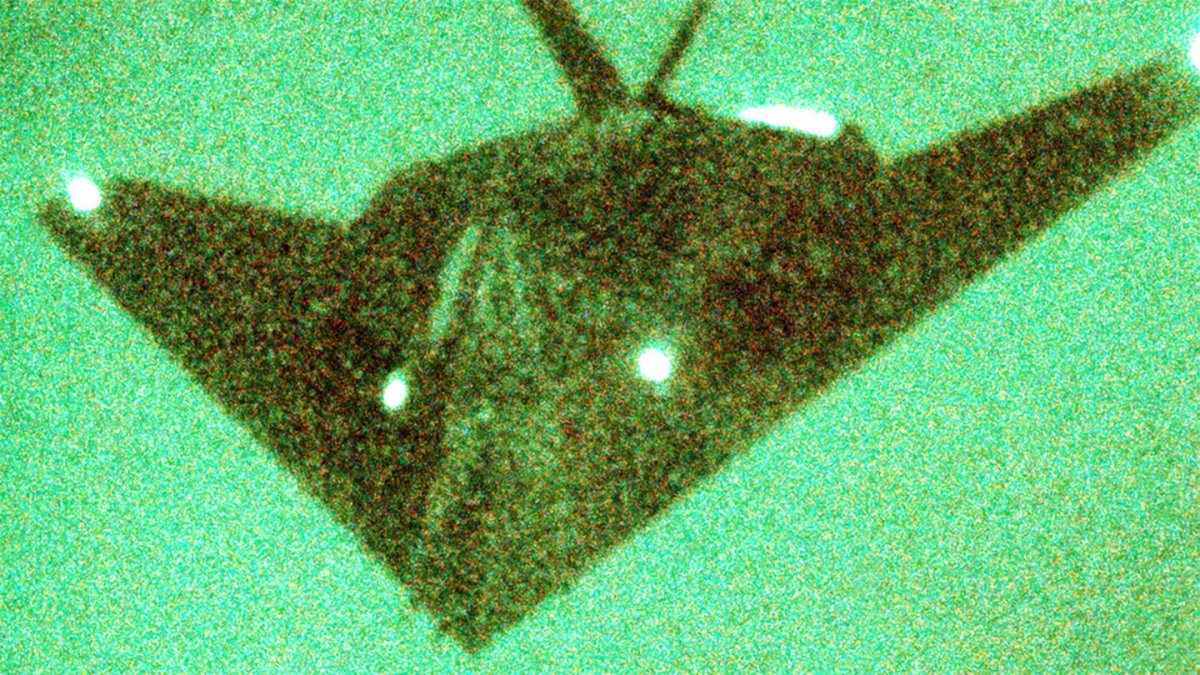
New details regarding the incident confirm long-standing rumors of an F-117 being damaged by a surface-to-air missile over Serbia.
Updated Dec 2, 2020 6:19 AM EST
The story of how one of the U.S. Air Force’s prized F-117 Nighthawk stealth attack jets came to be shot down over Serbia during Operation Allied Force on March 27, 1999, is, by now, familiar. The loss of “Vega 31” and the subsequent recovery of pilot Lieutenant Colonel Dale Zelko is an episode that we have looked at in detail before at The War Zone . What’s less well known is that another F-117 was hit by a Serbian air defense system during that same campaign, but details of what happened have only recently become available.
In the latest edition of The Afterburn podcast, which you can listen to in full here , retired Air Force Lieutenant Colonel Charlie “Tuna” Hainline , a former F-117 pilot, confirms what had, for many years, been a rumor: that a second stealth jet was hit by the Serbians, but managed to return to base. While noting that much about the incident in Allied Force remains classified, he still provides some fascinating details of what appears to be a previously unconfirmed event.
Hainline flew the A-10 operationally before switching to the F-117 after the once-secret program had “come out of the black,” and soon after Operation Desert Storm . He also explains that he flew a single mission over Iraq in early 1993, during the policing of the no-fly zone over that country. On that occasion, it seems that “Tuna” targeted some Iraqi air defense systems and had his first experience of being on the receiving end of hostile ground fire, but his jet emerged unscathed.
An F-117 in front of a destroyed hardened aircraft shelter at Ahmed Al Jaber Air Base, Kuwait. Hainline flew his first combat mission in the stealth jet from here in 1993., NATIONAL ARCHIVES
At the time of the Operation Allied Force, in 1999, Hainline was on his second F-117 tour, assigned to the 9th Fighter Squadron, the “Flying Knights,” and deployed to Spangdahlem Air Base in Germany. From here, the missions were of fairly long endurance, and “pretty grueling,” typically around six hours between takeoff and landing. At least two hours were normally required to reach the tanker track, which was located over Hungary, followed by a precision bombing mission involving roughly 30 to 45 minutes of total flying time over the former Yugoslavia, and then returning home via another tanker “top-up.”
With just two laser-guided bombs in its internal bays, the Nighthawk normally dropped both weapons on a single target. During Allied Force, these target sets frequently included communications installations, including radio masts, which had to be struck at the base to “tumble” them. Hainline mentions other targets, too, among them bridges, factories, buildings that intelligence suggested were associated with high-value individuals, and petroleum, oil, and lubrication (POL) facilities.
An F-117 deploys its drag chute on landing at Spangdahlem Air Base, Germany, on April 4, 1999., U.S. AIR FORCE/PUBLIC DOMAIN
Hainline’s “interesting night,” as he puts it, involved a mission with two F-117s, flying on roughly parallel target runs, around 10 miles apart. “Tuna” doesn’t provide the date, but it was certainly after the Serbians had shot down the first F-117, according to Hainline’s account. Unconfirmed sources had previously stated that this incident occurred on April 30, 1999.
On the night in question, Hainline recalled “quite a bit of AAA [anti-aircraft artillery] and at times quite a few missiles being fired.” These surface-to-air missiles (SAMs) included examples of the same Soviet-made SA-3 Goa that had previously brought down “Vega 31,” but there were other missile types in use at the time, too, according to “Tuna.”
S-125 Pechora surface-to-air missiles, known to NATO as SA-3 Goa, on display in a Finnish museum., WIKIMEDIA COMMONS
During their frontline career, Nighthawks almost always flew combat missions with support from jamming aircraft, including EF-111 Ravens and EA-6B Prowlers . Not only did they lack any defensive countermeasures, beyond their stealthy shaping and radar-absorbent material, of their own, but F-117 pilots were nearly oblivious to the status of threats in their vicinity during their runs over hostile territory due to lack of onboard threat-detection equipment . Even radio reception was degraded due to antennas being pulled in to “stealth-up” the aircraft over enemy territory. Electronic attack support had been notably lacking in the case of the “Vega 31” shootdown, although it’s unclear if it was lacking for the mission Hainline described. According to most accounts, the night “Vega 31” was shot down was the only evening where EA-6B Prowlers were not present to wreak havoc on hostile radars.
On this occasion, over Serbia, advance warning of hostile SAMs was provided to the F-117 aircrew by Air Force F-16CJ “Wild Weasel” pilots, whose jets were equipped with the HARM Targeting System (HTS) for the suppression of enemy air defenses mission. So it was, on the outskirts of western Belgrade, heading north, that one of the “CJ” pilots called a SAM launch — right at that moment, Hainline was on his target run, with only around 30 or 40 seconds before his bomb was supposed to drop on an antenna.
An F-16CJ breaks away from a KC-135R Stratotanker after refueling during NATO Operation Allied Force on March 31, 1999., U.S. Air Force/Public Domain
“Tuna,” who knew he was a little offset to the west of the SAM launch, providing a modicum of safely, recounted what happened next to The Afterburn :
“I kind of looked to my right over Belgrade, and [saw] this huge missile coming up — it looks like a Saturn V thing. I knew my number two guy was over there somewhere. Then I see another launch — this big glow, and even from that far away you can see a lot of detail. The plume, the smoke going, and then just this ball of fire coming up towards you.”
Hainline called upon the training he’d received for just such a situation, which required him to keep the autopilot engaged since manual turning or banking movements could have a negative impact on the jet’s radar cross-section, potentially presenting the missile with a juicier target.
“As I’m heading towards this target, one missile explodes and the other one kind of goes up into space,” Hainline continued. “I don’t know if it hit him,” he added, referring to his wingman.
Hainline continued on his bomb run and managed to get his bomb away cleanly and hit the objective.
US National Archives
He then headed back to the tanker track, but the expected rendezvous there with the other F-117 didn’t happen. A period was now spent circling around, during which Hainline persuaded the tanker to remain on station. The aircraft then worked to conserve fuel as much as possible, waiting for the other Nighthawk to arrive. Finally, the boom operator on the KC-135 Stratotanker spotted an F-117 pulling closer through the darkness, with no lights on.
“His airplane wasn’t in really good shape,” Hainline remembered, and soon after the other F-117 had plugged into the boom, the jet fell away, leaving “Tuna” and the tanker crew wondering if it was now flying on only one engine, or if some other problem had presented itself to the pilot.
Hainline called out instructions to the tanker, requesting the crew put the flaps down to reduce speed and allow the other Nighthawk to reconnect. Despite fuel spilling out around the receptacle, the damaged F-117 managed to fill its tanks and both stealth jets then headed back to base.
A Nighthawk being refueled by a KC-10 Extender tanker on a mission out of Edwards Air Force Base, California. Tanking was, according to Hainline, one of the hardest aspects of flying the F-117 to master. , NATIONAL ARCHIVES
En route back to Germany, Hainline said the other Nighthawk “kind of disappeared again,” but both jets eventually made it back to Spangdahlem.
Hainline’s efforts to ensure his wingman made it home safely were rewarded with the Distinguished Flying Cross, a commendation for “heroism or extraordinary achievement while participating in an aerial flight.”
While the recognition that another F-117 was damaged by Serbian air defenses during Allied Force is noteworthy, Hainline emphasizes the fact that SAMs were a real concern for the “Black Jet” in any combat scenario. He describes how the F-117 would be routed to avoid “double-digit” SAMs — referring to the Russian-made SA-10 Grumble, also known as the S-300 , and more advanced types — since the jet was considered “low observable, not invisible.” Even comparatively old systems, such as the SA-3, remained a genuine threat, as confirmed by the downing of “Vega 31” earlier in the campaign.
A two-ship of F-117s formates for the camera in the mid-1990s., NATIONAL ARCHIVES
Beyond talking about his time in the F-117 and this incident over Serbia in the podcast, Hainline reflected on other aspects of his flying career, including a period as an F/A-18 Hornet exchange pilot and carrier qualification with the U.S. Navy’s Strike Fighter Squadron 106 , the “Gladiator.” It is well worth a listen.
Suffice to say, that mission over Belgrade in 1999 was perhaps the most hair-raising in Hainline’s impressive career. It also goes to show that there are still more stories to be told about the mysterious Nighthawk , the operations of which continue to be obscured by a veil of secrecy .
Editor’s Note: A big hat tip to our friend Jared Soergel ( @jsoergel949 ) for the heads up on this fascinating account!
Contact the author: thomas@thedrive.com
Comments couldn’t be loaded. Please refresh the page.
更新于美国东部时间2020年12月2日上午6:19
1999年3月27日,在“盟军行动”期间,美国空军一架备受赞誉的F-117“夜鹰”隐形攻击机在塞尔维亚上空被击落,其故事如今已广为人知。这架编号为“Vega 31”的战机的坠毁以及飞行员戴尔·泽尔科中校的获救,我们此前曾在“战区”栏目中详细报道过。然而,鲜为人知的是,在同一场战役中,另一架F-117也被塞尔维亚的防空系统击中,但相关细节直到最近才被披露。
在最新一期的《余烬》(The Afterburn)播客节目中(您可以在这里收听完整版),退役空军中校、前F-117飞行员查理·“金枪鱼”·海恩莱恩证实了多年来的一个传闻:第二架隐形战机被塞尔维亚人击中,但成功返回基地。他指出,关于盟军战机上发生的这起事件,很多细节仍属机密,但他仍然提供了一些此前未经证实的引人入胜的细节。
海恩莱恩曾驾驶A-10执行作战任务,之后在A-10项目“公开”后不久,也就是在“沙漠风暴”行动之后,他转而驾驶F-117。他还提到,1993年初,在伊拉克禁飞区巡逻期间,他曾执行过一次飞越伊拉克上空的任务。在那次任务中,“金枪鱼”(Tuna)似乎瞄准了一些伊拉克防空系统,并首次体验了地面敌方火力攻击,但他的战机毫发无损地脱险了。
一架F-117战斗机停在科威特艾哈迈德·贾比尔空军基地一处被毁的加固机库前。1993年,海因莱恩驾驶这架隐形战机从这里执行了他的首次作战任务。(美国国家档案馆)
1999年“盟军行动”期间,海恩莱恩正在执行他的第二次F-117任务,隶属于第9战斗机中队“飞行骑士”,并部署在德国的施潘达勒姆空军基地。从这里出发的任务持续时间相当长,而且“相当艰苦”,通常起飞和降落需要大约六个小时。通常至少需要两个小时才能到达位于匈牙利上空的加油航线,然后执行精确轰炸任务,在前南斯拉夫上空飞行大约30到45分钟,最后通过另一架加油机“补给”返回基地。
夜鹰导弹内部弹舱仅装有两枚激光制导炸弹,通常情况下,它会将这两枚炸弹全部投向同一个目标。在盟军作战期间,这些目标经常包括通信设施,例如无线电桅杆,必须从底部将其摧毁。海恩莱恩还提到了其他目标,其中包括桥梁、工厂、情报显示与重要人物有关的建筑物,以及石油、润滑油(POL)设施。
1999年4月4日,一架F-117战斗机在德国施潘达勒姆空军基地着陆时打开减速伞。(美国空军/公共领域)
海恩莱恩称他经历的“有趣的一夜”是与两架F-117战斗机执行任务,两架飞机大致平行飞行,相距约10英里,执行目标攻击。“金枪鱼”没有提供具体日期,但根据海恩莱恩的描述,这肯定是在塞尔维亚人击落第一架F-117之后发生的。此前有未经证实的消息称,该事件发生在1999年4月30日。
海恩莱恩回忆说,事发当晚“防空炮火相当密集,有时还发射了不少导弹”。这些地对空导弹中包括之前击落“织女星31号”的苏联制造的SA-3“果阿”导弹,但据“金枪鱼”称,当时也使用了其他类型的导弹。
芬兰一家博物馆展出的S-125“伯朝拉”地对空导弹(北约代号SA-3“果阿”)。(图片来自维基共享资源)
在服役期间,“夜鹰”战机几乎总是依靠干扰机的支援执行作战任务,这些干扰机包括EF-111“渡鸦”和EA-6B“徘徊者”。除了隐身外形和雷达吸波材料之外,它们自身没有任何防御手段。此外,由于缺乏机载威胁探测设备,F-117飞行员在飞越敌方领空时几乎无法察觉周围的威胁状况。为了在敌方领空上空实现隐身,飞机需要收起天线,这甚至会降低无线电接收效果。在“维加31”号被击落事件中,电子攻击支援明显不足,尽管尚不清楚海恩莱恩所描述的任务中是否也存在这种情况。大多数说法认为,“维加31”号被击落的那晚是唯一一个没有EA-6B“徘徊者”在场干扰敌方雷达的夜晚。
这次在塞尔维亚上空,空军F-16CJ“野鼬鼠”战斗机的飞行员提前向F-117机组提供了敌方地空导弹的预警。这些F-16CJ的战机配备了HARM目标指示系统(HTS),用于压制敌方防空系统。就在贝尔格莱德西部郊区向北飞行时,一名“野鼬鼠”飞行员呼叫了地空导弹发射——就在那一刻,海恩莱恩正在进行目标攻击,距离他的炸弹预定投掷到天线上只剩下大约30到40秒的时间。
1999年3月31日,在北约“盟军行动”期间,一架F-16CJ战斗机在完成空中加油后脱离KC-135R同温层加油机。(美国空军/公共领域)
“金枪鱼”知道自己位于地空导弹发射场西侧稍偏的位置,这多少算是一种安全保障。他向《余烬》杂志讲述了接下来发生的事情:
“我朝右边的贝尔格莱德方向看去,看到一枚巨大的导弹升空——看起来像土星五号火箭。我知道我的二号人物就在那附近。然后我又看到另一枚导弹发射——一道耀眼的光芒,即使从那么远的地方也能看清很多细节。烟柱、烟雾,然后就是一个火球朝你飞来。”
海恩莱恩运用了他接受过的针对这种情况的训练,这要求他保持自动驾驶仪处于启用状态,因为手动转弯或倾斜动作可能会对喷气式飞机的雷达横截面产生负面影响,从而可能使导弹获得更有利的目标。
“当我朝着目标飞去时,一枚导弹爆炸了,另一枚则飞向了太空,”海恩莱恩继续说道。“我不知道它有没有击中他,”他补充道,指的是他的僚机。
海恩莱恩继续投弹,成功地干净利落地投下了炸弹,击中了目标。
美国国家档案馆
随后他返回加油航线,但与另一架F-117的预期会合并未发生。接下来的一段时间里,飞机一直在盘旋,期间海恩莱恩说服加油机留在原地。飞机尽可能地节省燃油,等待另一架夜鹰的到来。最终,KC-135同温层加油机的空中加油操作员发现一架F-117在黑暗中缓缓靠近,机身没有开启任何灯光。
“他的飞机状况不太好,”海恩莱恩回忆道,不久之后,另一架 F-117 接上了加油吊杆,这架喷气式飞机就脱落了,留下“金枪鱼”和加油机机组人员,不知道它现在是不是只靠一个引擎飞行,还是飞行员遇到了其他问题。
海恩莱恩向加油机发出指令,要求机组人员放下襟翼以降低速度,让另一架夜鹰战机重新对接。尽管燃油从受油口周围溢出,受损的F-117战机还是成功加满了油箱,随后两架隐形战机返回基地。
一架F-117“夜鹰”战斗机正在加利福尼亚州爱德华兹空军基地执行任务时,由一架KC-10“延展者”加油机进行空中加油。据海恩莱恩称,空中加油是驾驶F-117最难掌握的技能之一。(美国国家档案馆)
海恩莱恩说,在返回德国的途中,另一架夜鹰战机“又消失了”,但两架战机最终都回到了施潘达勒姆空军基地。
海恩莱恩为确保僚机安全返航所做的努力得到了回报,他被授予杰出飞行十字勋章,这是对“在空中飞行中表现出的英勇行为或非凡成就”的嘉奖。
尽管承认在盟军战役期间另一架F-117被塞尔维亚防空系统击伤值得关注,但海恩莱恩强调,在任何作战场景下,地空导弹都是“黑战机”的真正威胁。他描述了F-117如何通过规避“两位数”的地空导弹——指的是俄制SA-10“咆哮”(也称S-300)以及更先进的型号——来规避威胁,因为该战机被认为是“低可探测性,而非隐形”。即使是相对老旧的系统,例如SA-3,仍然构成真正的威胁,正如战役早期“织女星31号”(Vega 31)被击落所证实的那样。
20世纪90年代中期,两架F-117战斗机编队对着镜头合影。(美国国家档案馆)
除了在播客中谈到他在F-117战斗机上的经历以及在塞尔维亚上空发生的事件外,海恩莱恩还回顾了他飞行生涯的其他方面,包括担任F/A-18“大黄蜂”战斗机交换飞行员以及在美国海军第106攻击战斗机中队(“角斗士”)接受航母作战资格认证的经历。非常值得一听。
毋庸置疑,1999年在贝尔格莱德上空的那次任务或许是海恩莱恩辉煌职业生涯中最惊险的一次。这也表明,关于神秘的“夜鹰”无人机,还有更多故事值得讲述,其行动至今仍笼罩在重重迷雾之中。
编者按:非常感谢我们的朋友 Jared Soergel (@jsoergel949) 为我们提供的关于这个精彩账号的信息!
联系作者:thomas@thedrive.com
评论加载失败,请刷新页面。