F/A-18 Pilot Gives Virtual Flyers Highly Detailed Explanation Of How To Land On A CarrierF/A-18飞行员为虚拟飞行员详细讲解如何在航母上着陆
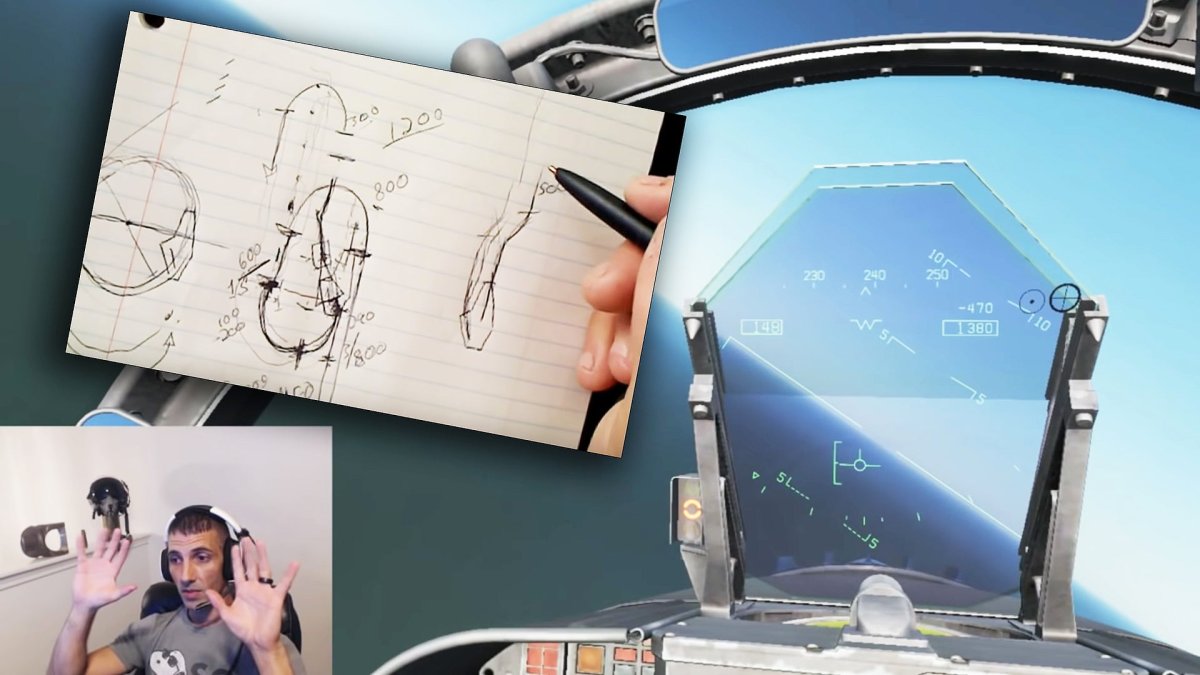
The series of videos is equally as interesting for anyone who just wants to know how exactly real naval aviators pull off the aerial ballet.
新闻视频
Updated Jun 5, 2019 3:21 PM EDT
Landing a fighter aboard a pitching and rolling carrier deck is one of the most challenging exercises in all of aviation. Just the idea of bringing a jet safely back to the boat, in potentially terrible conditions , after an already stressing mission has long captured the imagination of the entertainment industry and the public at large. We have even published a first-hand account of how this process occurs in the dark of night and how challenging mastering it can be . But now, thanks to Digital Combat Simulator—better known as DCS—the most realistic realization of this experience ever available to the public can be had for $79 , or about 1/230th the cost of a single Hornet flight hour. And with the help of a former Hornet pilot, you too can learn to master this elite skill—or at least understand its complexities better than ever before.
The F/A-18C Hornet module for DCS is a game changer . It quenches the decades-long thirst for a very high-fidelity American naval strike-fighter PC simulator that dates back to the company’s legacy Lock-On: Modern Air Combat series. Now that computer gaming power is economically available (relatively) to drive Eagle Dynamics’—the maker of DCS— ambitious software, and virtual reality headsets can literally put you in the cockpit unlike anything else in the past, a golden age of flight simulation is finally upon us—regardless of flight simulation’s shrunken market size within the gaming world.
But acquiring the software and having a computer setup to run it is nothing compared to figuring out how to make the Hornet sting. But before even that happens, executing realistic carrier operations is most virtual fighter pilots’ top priority, and it is more akin to mastering ballet than learning a country western line-dance.
Eagle Dynamics and some of the DCS’s most visible players are great about offering how-to videos for long-awaited Hornet module, but nothing, and I mean nothing, compares to the instruction one ex-Hornet driver turned instructor pilot has brought to DCS’s fanatical gaming community.
Yet what’s most interesting is that this naval aviator’s marvelously detailed explainer videos are just as fascinating for someone who has no intention of buying DCS Hornet or a gaming rig to play it as those who live and breathe combat flight simulation. The videos, taught in true instructor pilot style, represent the most complete and detailed description of how actual carrier operations work, both in the real world and in the emerging virtual environment, and will give you a whole new appreciation for just how challenging even the most basic of carrier recoveries are for naval aviators.
Here is the three-part series:
After watching the videos in fascination, I immediately reached out to our instructor pilot, who goes by the handle “Lex Talionis,” to get an interview. I wanted to know his background, how he came to DCS, what sparked his interest in making such informative videos, as well as getting his thoughts on the Hornet simulator and on computer flight simulation in general. Just like his explainer reels, his answers to these questions and more did not disappoint:
What is your background in naval aviation?
“I was winged in ’04, finished up with the Fleet Replacement Squadron in ’05, was with my fleet squadron from ’07 to ’09, PCSed [Permanant Change of Station] to the training command in ’09, and have been there since. During the time with my fleet squadron, I was fortunate enough to deploy on a WESTPAC and as an individual augment to Iraq (one of my most rewarding experiences). My time in the hornet was short-lived. I can’t say enough good things about the community and the platform. I miss the jet and the friends I had made. My current job is outstanding. I teach naval aviator students in primary flight school as a reserve officer and in advanced flight school as a civilian contractor. As a washed up Hornet driver, I could not have anticipated that flying as an instructor would be an incredible way to end a military flying career. I remember being in the student’s shoes quite vividly and helping to get them from “there” to “here” is an experience that is hard to beat.”
“I was winged in ’04, finished up with the Fleet Replacement Squadron in ’05, was with my fleet squadron from ’07 to ’09, PCSed [Permanant Change of Station] to the training command in ’09, and have been there since. During the time with my fleet squadron, I was fortunate enough to deploy on a WESTPAC and as an individual augment to Iraq (one of my most rewarding experiences).
My time in the hornet was short-lived. I can’t say enough good things about the community and the platform. I miss the jet and the friends I had made. My current job is outstanding. I teach naval aviator students in primary flight school as a reserve officer and in advanced flight school as a civilian contractor. As a washed up Hornet driver, I could not have anticipated that flying as an instructor would be an incredible way to end a military flying career. I remember being in the student’s shoes quite vividly and helping to get them from “there” to “here” is an experience that is hard to beat.”
Lex gets his wings of gold with his proud parents in attendance. , Courtesy of Lex Talionis
What brought you to DCS considering that you have actually done the real thing?
“I haven’t been too interested in flight simulators since my job has plenty of ’em. Primarily for nostalgic reasons, however, I always had my eyes open for games like the ones that kept me motivated to become a pilot as a kid. For the most part, I was drawn into DCS by friends who were looking for a good ‘flying game.’ Conversations about military flying, realistic flight models, etc, arose so I decided to dig in a bit and become more knowledgeable specifically about the game. I made a video to help our small group out, got hooked on the game and the rest is history. I would have never guessed there was a community this enthusiastic.”
How does DCS Hornet stack up to reality?
“It has been a decade since I have sat in the Hornet, but I have to say the game has definitely brought back memories. Flight characteristics quickly spark old habits that invoke real world ‘procedures,’ of which the flight model is accurate to the level at which those procedures work. That is rare. DCS is a great blast from the past whenever I have the itch to rage around in the jet.”
Is the existence of DCS common knowledge in the Hornet community?
“I don’t know any other jet guys, let alone Hornet drivers, that play the game. You can’t fault them however, it takes an amazing amount of time to stay proficient as a military pilot and it is hard to come home and fire up the computer to do what you do for your day job when all you want is a shower and a beer. I can see DCS with the introduction of the F/A-18 quickly becoming desirable by retired Hornet drivers. Even to those who would otherwise not have an interest in a flight sim, flying a Hornet reminiscent of the real thing, without the responsibility of wielding the real thing, is quite alluring.”
“I don’t know any other jet guys, let alone Hornet drivers, that play the game. You can’t fault them however, it takes an amazing amount of time to stay proficient as a military pilot and it is hard to come home and fire up the computer to do what you do for your day job when all you want is a shower and a beer.
I can see DCS with the introduction of the F/A-18 quickly becoming desirable by retired Hornet drivers. Even to those who would otherwise not have an interest in a flight sim, flying a Hornet reminiscent of the real thing, without the responsibility of wielding the real thing, is quite alluring.”
Have you tried it in virtual reality?
“I have not used VR but I have heard it is quite impressive. Most who have a VR headset have explained that aside from the lack of resolution, the sensation of actually being in the cockpit is hard to beat. For now, I think I will just stick with a multi-monitor set up. If or when the resolution and refresh rates of VR systems improve, it will be hard to pass up.”
What are your thoughts on consumer flight simulators in general? There was once a hot gaming market for them, now it is considered a niche.
“When I was a kid, games were hard. ‘Perma-death,’ create a ‘character’ and live with the ramification of your decisions good or bad, have only what you brought with you to the battlefield, no endless re-spawning of resources, every rock did not have gold under it. With regards to flight sims, the challenge of learning how to operate and fly an aircraft was as much a part of the game as shooting the bad guys. Now it seems these aspects are considered undesirable. ‘Tedious,’ ‘restrictive,’ or the most amusing to me, the ever anecdotal ‘not fun.’ A good flight sim is ‘hard’ by nature with significant ‘consequences.’ There is a learning curve, if you do not posses the skills bad things happen until you do. Learning to fly is as much an accomplishment as defeating an adversary. Case in point, most questions asked of me are how to more accurately fly around the boat, individuals would then practice for hours without ever engaging a target. Maybe the niche is that these games pull form the same skill set as something tangible in real life. They are exceptionally challenging and once mastered there is a sense of genuine accomplishment. Others may view this as close to a job and want a break from this aspect of reality, anyone’s guess is as good as mine. Personally, a game needs to make sense on some fundamental level. Ultimately that means it must somehow be rooted in reality. I can only tolerate so much make-believe, sci-fi, and pixy-dust before my brain gets tired of pushing the ‘I believe button.’ Flight games need to at least adhere to basic physics and DCS certainly does that. That is my niche.”
“When I was a kid, games were hard. ‘Perma-death,’ create a ‘character’ and live with the ramification of your decisions good or bad, have only what you brought with you to the battlefield, no endless re-spawning of resources, every rock did not have gold under it. With regards to flight sims, the challenge of learning how to operate and fly an aircraft was as much a part of the game as shooting the bad guys. Now it seems these aspects are considered undesirable. ‘Tedious,’ ‘restrictive,’ or the most amusing to me, the ever anecdotal ‘not fun.’
A good flight sim is ‘hard’ by nature with significant ‘consequences.’ There is a learning curve, if you do not posses the skills bad things happen until you do. Learning to fly is as much an accomplishment as defeating an adversary. Case in point, most questions asked of me are how to more accurately fly around the boat, individuals would then practice for hours without ever engaging a target.
Maybe the niche is that these games pull form the same skill set as something tangible in real life. They are exceptionally challenging and once mastered there is a sense of genuine accomplishment. Others may view this as close to a job and want a break from this aspect of reality, anyone’s guess is as good as mine.
Personally, a game needs to make sense on some fundamental level. Ultimately that means it must somehow be rooted in reality. I can only tolerate so much make-believe, sci-fi, and pixy-dust before my brain gets tired of pushing the ‘I believe button.’ Flight games need to at least adhere to basic physics and DCS certainly does that. That is my niche.”
It’s an intimidating game for the vast majority of prospective computer pilots. Any tips to someone totally new to DCS that want to get started with the Hornet?
“The beauty of this game is that the complexity can be modulated by the player. DCS world adheres to an un-circumvented physics engine and set of relatively constant weights and measures. This makes the game scale-able, limitless to what can be added and, that which is encountered by the player is logical and coherent. Keeping in mind the initial learning curve may be steep as piloting is a skill in and of itself, a player can learn to fly in a relatively simple aircraft and move those skills to a more complex platform. If that is still too intimidating, I would reiterate the essence of the previous question’s answer with ‘don’t give up, enjoy the process, everyone starts at the beginning, and ask questions.’ To conclude, I can’t tell you how taken back I am by all of this. Thank you for the questions. Please understand, as far as Hornet drivers go I am by no means an expert, I am simply sharing what I know about a life adventure I am thankful to have experienced. I would like to thank you Tyler for the opportunity to share my thoughts and opinions. I would have never thought them valuable to this audience. Thank you to the community. I am truly humbled by the overwhelming responses to the videos and look forward to answering any future questions you all may have to the best of my ability. And finally, thank you to an online friend, Jarus. None of this would have unfolded the way it did if it wasn’t for him. Please give him a thumbs up on his youtube channel “Citizen Gamer” when you have the chance.”
“The beauty of this game is that the complexity can be modulated by the player. DCS world adheres to an un-circumvented physics engine and set of relatively constant weights and measures. This makes the game scale-able, limitless to what can be added and, that which is encountered by the player is logical and coherent. Keeping in mind the initial learning curve may be steep as piloting is a skill in and of itself, a player can learn to fly in a relatively simple aircraft and move those skills to a more complex platform. If that is still too intimidating, I would reiterate the essence of the previous question’s answer with ‘don’t give up, enjoy the process, everyone starts at the beginning, and ask questions.’
To conclude, I can’t tell you how taken back I am by all of this. Thank you for the questions. Please understand, as far as Hornet drivers go I am by no means an expert, I am simply sharing what I know about a life adventure I am thankful to have experienced.
I would like to thank you Tyler for the opportunity to share my thoughts and opinions. I would have never thought them valuable to this audience. Thank you to the community. I am truly humbled by the overwhelming responses to the videos and look forward to answering any future questions you all may have to the best of my ability.
And finally, thank you to an online friend, Jarus. None of this would have unfolded the way it did if it wasn’t for him. Please give him a thumbs up on his youtube channel “Citizen Gamer” when you have the chance.”
In the hot seat!, Courtesy of Lex Talionis
It’s awesome to see a professional with such a talent for calmly and clearly conveying complex concepts to students share their passion and expertise with the world, and especially with those who will consume it bit by bit in an attempt to better their own simulated Hornet flying skills. But the unique window Lex provides into the nitty-gritty of carrier flight operations is what’s most interesting.
If anything else, Lex has given us all a new appreciation of what it takes to be a real naval fighter pilot and it’s amazing to think how little room for error there is in such a hideously complex flying environment. With this in mind, even though DCS Hornet is incredibly realistic, if things go bad real fast it just means frustration and a downgrade in one’s ego, not the end of your flying career or even your life.
Make sure to follow Lex’s Youtube channel here and he is also very active in the DCS community on Discord . A big thanks to him for taking the time out of his busy flying schedule to share his thoughts with all of us. As for DCS in general, I will be posting a separate piece about my experience with the game in the upcoming weeks, but here’s a hint of what’s to come.
Contact the author: Tyler@thedrive.com
Comments couldn’t be loaded. Please refresh the page.
更新于美国东部时间2019年6月5日下午3:21
在摇晃颠簸的航母甲板上安全着陆战斗机是航空领域最具挑战性的训练之一。仅仅是想象一下,在完成一项压力巨大的任务后,如何在可能极其恶劣的条件下将喷气式飞机安全带回航母,就足以激发娱乐界和广大公众的无限遐想。我们甚至曾发表过一篇关于如何在夜幕下完成这一过程以及掌握这项技能有多么困难的第一手报道。但现在,得益于数字战斗模拟器(Digital Combat Simulator,简称DCS),公众只需花费79美元,就能体验到迄今为止最逼真的着陆过程,这大约是驾驶“大黄蜂”战斗机一小时飞行成本的1/230。而且,在一位前“大黄蜂”飞行员的帮助下,你也能学会掌握这项精英技能——或者至少比以往任何时候都更深入地了解它的复杂性。
DCS的F/A-18C“大黄蜂”模块堪称颠覆之作。它满足了玩家们数十年来对高保真美国海军攻击战斗机PC模拟器的渴望,这种渴望可以追溯到该公司经典的《锁定:现代空战》系列。如今,电脑游戏性能(相对而言)已经可以经济地驱动DCS开发商Eagle Dynamics雄心勃勃的软件,而虚拟现实头显也能让你以前所未有的方式置身于驾驶舱之中,飞行模拟的黄金时代终于来临——即便飞行模拟在游戏界的市场份额有所萎缩。
但是,获取软件并搭建运行它的电脑配置,与弄清楚如何让“大黄蜂”战机发挥威力相比,简直是小巫见大巫。而在此之前,大多数虚拟战斗机飞行员的首要任务是进行逼真的航母作战演练,这更像是掌握芭蕾舞,而不是学习乡村西部排舞。
Eagle Dynamics 和一些 DCS 中最知名的玩家都为期待已久的 Hornet 模块提供了教学视频,但没有什么,我的意思是没有什么,能与一位前 Hornet 飞行员、现任教官飞行员为 DCS 狂热的游戏社区带来的指导相提并论。
然而,最引人入胜的是,这位海军飞行员制作的精彩详尽的讲解视频,对于那些不打算购买《DCS Hornet》或游戏电脑来玩这款游戏的人来说,其吸引力丝毫不亚于那些热爱战斗飞行模拟的玩家。这些视频以真正的教官式讲解,完整而细致地描述了航母作战的实际运作方式,无论是在现实世界还是在新兴的虚拟环境中,都能让你深刻体会到,即使是最基本的航母回收任务,对海军飞行员来说也极具挑战性。
以下是该系列的三部分内容:
看完这些视频后,我立刻联系我们的飞行教官,他的网名是“Lex Talionis”,想对他进行一次采访。我想了解他的背景,他是如何接触到DCS的,是什么激发了他制作这类信息丰富的视频的兴趣,以及他对“大黄蜂”模拟器和计算机飞行模拟的看法。正如他制作的讲解视频一样,他对这些问题的回答以及其他更多问题都让我非常满意:
您在海军航空方面有什么背景?
“我于2004年获得飞行员资格,2005年从舰队替换中队退役,2007年至2009年在我的舰队中队服役,2009年调任至训练司令部,并一直在那里工作至今。在舰队中队服役期间,我有幸参与了西太平洋部署行动,并作为单独增援人员前往伊拉克(这是我最难忘的经历之一)。我在大黄蜂战斗机上的时光虽然短暂,但我对这个团队和这款战机赞不绝口。我怀念我的战机和结识的战友们。我现在的工作非常棒。我以预备役军官的身份在初级飞行学校教授海军飞行员学员,同时以民用承包商的身份在高级飞行学校教授海军飞行员学员。作为一个曾经的‘大黄蜂’飞行员,我从未想过飞行教官会成为我军事飞行生涯的完美句点。我仍然清晰地记得自己作为学员的感受,帮助他们从“那里”到达“这里”的经历难以忘怀。” 打。”
“我于 2004 年获得飞行员资格,2005 年在舰队替换中队结束服役,2007 年至 2009 年在我的舰队中队服役,2009 年调任至训练司令部,并一直在那里服役至今。在我的舰队中队服役期间,我有幸参与了西太平洋部署行动,并作为个人增援人员前往伊拉克(这是我最宝贵的经历之一)。
我在“大黄蜂”战斗机上的时光虽然短暂,但我对这个团队和这个平台赞不绝口。我怀念那架战机,也怀念结识的朋友们。我现在的工作非常棒。我以预备役军官的身份在初级飞行学校教海军飞行员学员,同时以民用承包商的身份在高级飞行学校教他们。作为一个曾经的“大黄蜂”飞行员,我从未想过飞行教官这份工作会成为我军事飞行生涯的完美句点。我至今仍清晰地记得自己作为学员时的感受,帮助他们从“那里”到达“这里”,这种经历无与伦比。
莱克斯在父母的见证下获得了金色的翅膀徽章。(图片由莱克斯·塔利奥尼斯提供)
既然你已经做过真正的模拟飞行,是什么让你选择加入DCS呢?
“由于工作单位已经有很多飞行模拟器了,所以我对它们一直不太感兴趣。不过,出于怀旧情结,我一直留意着那些曾经激励我成为飞行员的游戏。我接触DCS主要是因为朋友们在寻找一款好玩的‘飞行游戏’。我们聊起了军事飞行、逼真的飞行模型等等,于是我决定深入了解一下这款游戏。我制作了一个视频来帮助我们的小伙伴们,结果自己也沉迷其中,剩下的故事你们都知道了。我做梦都没想到会有这么热情的玩家群体。”
DCS Hornet 与现实相比如何?
“我已经十年没坐过大黄蜂了,但不得不说,这款游戏确实唤起了我的许多回忆。飞行特性很快就能唤起我的旧习惯,让我想起现实世界中的‘操作流程’,而游戏中的飞行模型也精准地还原了这些流程的实际效果。这非常难得。每当我想驾驶这架喷气式飞机驰骋一番时,DCS 都能让我重温旧梦。”
DCS 的存在在 Hornet 社区中是常识吗?
“我认识的喷气式飞机飞行员,更别提F/A-18大黄蜂飞行员了,没有一个玩这款游戏的。不过也不能怪他们,毕竟作为一名军用飞行员,保持熟练的飞行技能需要花费大量的时间,而且当你只想洗个澡喝杯啤酒,回家后还要打开电脑做你日常工作的事情,这确实很不容易。我预感随着F/A-18的加入,DCS很快就会受到退役F/A-18飞行员的青睐。即使对于那些原本对飞行模拟游戏不感兴趣的人来说,驾驶一架感觉像真机一样的F/A-18,却不用承担驾驶真机的责任,也相当有吸引力。”
“我认识的飞行员里,没有谁会玩这种游戏,更别提大黄蜂战斗机的飞行员了。不过也不能怪他们,要保持军用飞行员的熟练度需要花费大量的时间,而且当你只想洗个澡喝杯啤酒,却还要回到家打开电脑做你日常工作的事情,这确实很不容易。”
我认为随着F/A-18的加入,DCS很快就会受到退役“大黄蜂”飞行员的青睐。即使对于那些原本对飞行模拟游戏不感兴趣的人来说,驾驶一架感觉像真机一样的“大黄蜂”,却不必承担驾驶真机的责任,也相当有吸引力。
你试过虚拟现实版本吗?
“我还没体验过VR,但听说效果相当惊艳。大多数拥有VR头显的人都表示,除了分辨率不足之外,那种身临其境的驾驶舱体验是其他VR设备无法比拟的。目前,我还是会继续使用多显示器设置。如果VR系统的分辨率和刷新率能够提升,到时候我肯定会毫不犹豫地选择它。”
您对消费级飞行模拟器有什么看法?它们曾经是一个热门的游戏市场,但现在被视为小众市场。
“我小时候玩的游戏都很难。‘永久死亡’,创建角色后就要承担所有决定的后果,无论好坏;战场上只有你带进去的东西;资源不会无限刷新;也不是每块石头下面都藏着金子。就飞行模拟游戏而言,学习如何操作和驾驶飞机的挑战性与射击敌人一样重要。现在这些方面似乎都被认为是不好的。“枯燥乏味”、“限制太多”,或者最让我觉得好笑的,是人们经常说的“不好玩”。一款好的飞行模拟游戏本质上就应该“难”,而且后果严重。”学习是有过程的,如果你不具备相应的技能,就会遇到麻烦,直到你掌握为止。学习飞行和击败对手一样,都是一项成就。举个例子,我被问到最多的问题是如何更精准地绕着船飞行,人们会练习好几个小时,却从未真正攻击过目标。或许这类游戏的独特之处在于,它们运用的技能与现实生活中的某些技能相同。它们极具挑战性,一旦掌握,就能获得真正的成就感。有些人可能把这看作是一份工作,想要暂时逃离现实,谁知道呢。就我个人而言,一款游戏必须在一些基本层面上说得通。归根结底,这意味着它必须以某种方式植根于现实。我的大脑对虚构、科幻和天马行空的想象已经无法忍受,否则我的大脑就会厌倦不断按下“我相信”按钮。飞行游戏至少需要遵循基本的物理定律,而DCS在这方面做得非常出色。这就是我的菜。
“我小时候玩的游戏都很难。‘永久死亡’,创建角色后就要承担所有决定的后果,无论好坏;战场上只有你带进去的东西;资源不会无限刷新;也不是每块石头下面都有金子。就飞行模拟游戏而言,学习如何操作和驾驶飞机的挑战性与射击敌人一样重要。现在这些方面似乎都被认为是不好的。“枯燥乏味”、“限制太多”,或者最让我觉得好笑的,是那些老生常谈的“不好玩”。
一款好的飞行模拟游戏本质上就具有“难度”,并且会带来严重的“后果”。它需要一个学习过程,如果你不具备相应的技能,就会发生不好的事情,直到你掌握为止。学习飞行本身就是一种成就,其意义不亚于击败对手。举个例子,我被问到最多的问题是如何更精准地绕着船飞行,于是人们会花几个小时练习,却从未真正攻击过目标。
或许这些游戏的独特之处在于,它们需要的技能与现实生活中某些具体的技能相同。它们极具挑战性,一旦掌握,就能获得真正的成就感。有些人可能觉得这很像一份工作,想要暂时逃离现实的某些方面,谁知道呢。
就我个人而言,一款游戏必须在一些基本层面上说得通。归根结底,这意味着它必须以某种方式植根于现实。我的大脑对虚构、科幻和奇幻元素的容忍度是有限的,超过一定限度后,它就会让我感到厌倦,无法相信。飞行游戏至少需要遵循基本的物理定律,而DCS在这方面做得非常出色。这正是我喜欢的类型。
对于绝大多数想成为电脑飞行员的人来说,这是一款令人望而生畏的游戏。对于一个完全没有DCS经验,想要开始驾驶大黄蜂战斗机的新手,有什么建议吗?
这款游戏的魅力在于玩家可以自行调节游戏的复杂度。DCS World 采用一套不可更改的物理引擎和相对恒定的权重和尺寸。这使得游戏具有可扩展性,可以添加的内容几乎无限,而且玩家遇到的一切都合乎逻辑且连贯一致。考虑到驾驶本身就是一项技能,初始学习曲线可能较为陡峭,玩家可以先在相对简单的飞机上学习飞行,然后将这些技能运用到更复杂的平台上。如果这仍然让你感到畏惧,我会重申之前问题的答案:“不要放弃,享受过程,每个人都是从零开始的,有问题就问。”最后,我真的非常震惊。感谢大家的提问。请理解,就Hornet战机驾驶员而言,我绝非专家,我只是分享我所了解的这段人生经历,我很感激这段经历。感谢Tyler给我这个机会分享我的想法和观点。我从未想过这些对大家会有价值。感谢社区。视频反响如此热烈,我深感荣幸,并期待尽我所能回答大家未来的任何问题。最后,感谢我的网友Jarus。如果没有他,这一切都不会发生。有机会的话,请去他的YouTube频道“Citizen Gamer”给他点个赞。
这款游戏的魅力在于玩家可以自行调节游戏的复杂度。DCS World 采用一套不可更改的物理引擎和相对恒定的权重和尺寸。这使得游戏具有可扩展性,可以添加的内容几乎无限,而且玩家遇到的一切都合乎逻辑且连贯一致。考虑到驾驶本身就是一项技能,初始学习曲线可能较为陡峭,玩家可以先在相对简单的飞机上学习飞行,然后将这些技能运用到更复杂的平台上。如果这仍然让你感到畏惧,我会重申之前问题的答案:“不要放弃,享受过程,每个人都是从零开始的,有问题就问。”
总之,这一切真的让我感到无比震惊。感谢大家的提问。请理解,就Hornet战机驾驶员而言,我绝非专家,我只是分享我所了解的这段令我感激不尽的人生经历。
泰勒,非常感谢你给我这个机会分享我的想法和观点。我从未想过这些对大家会有价值。感谢大家的支持。视频反响如此热烈,我深感荣幸,并期待着尽我所能回答大家未来可能提出的任何问题。
最后,感谢我的网友 Jarus。如果没有他,这一切都不会发生。有机会的话,请去他的 YouTube 频道“Citizen Gamer”给他点个赞吧。
身处风暴中心!图片由 Lex Talionis 提供
看到一位如此擅长冷静清晰地向学生传授复杂概念的专业人士,将自己的热情和专业知识分享给全世界,尤其是那些会一点一点地吸收这些知识,努力提升自身模拟“大黄蜂”飞行技能的人们,真是令人赞叹。但莱克斯为我们展现的航母飞行操作细节,才是最引人入胜之处。
如果说《雷克斯》这款游戏有什么意义的话,那就是它让我们对成为一名真正的海军战斗机飞行员有了全新的认识。在如此极其复杂的飞行环境中,容错空间之小令人震惊。正因如此,即使《DCS大黄蜂》极其逼真,如果情况迅速恶化,也只会带来挫败感和自信心的打击,而不会终结你的飞行生涯,甚至危及你的生命。
请务必关注 Lex 的 YouTube 频道(链接在此),他在 Discord 上的 DCS 社群也非常活跃。非常感谢他百忙之中抽出时间与我们分享他的想法。至于 DCS 本身,我将在接下来的几周内单独撰写一篇关于我游戏体验的文章,但这里先透露一些内容。
联系作者:Tyler@thedrive.com
评论加载失败,请刷新页面。