China gets closer to Jupiter mission by bringing Nasa’s StarNAV concept to life中国将NASA的StarNAV概念付诸实践,距离木星探测任务更近一步。
The tech uses subtle shifts in starlight to track speed and position, allowing spacecraft to navigate deep space alone
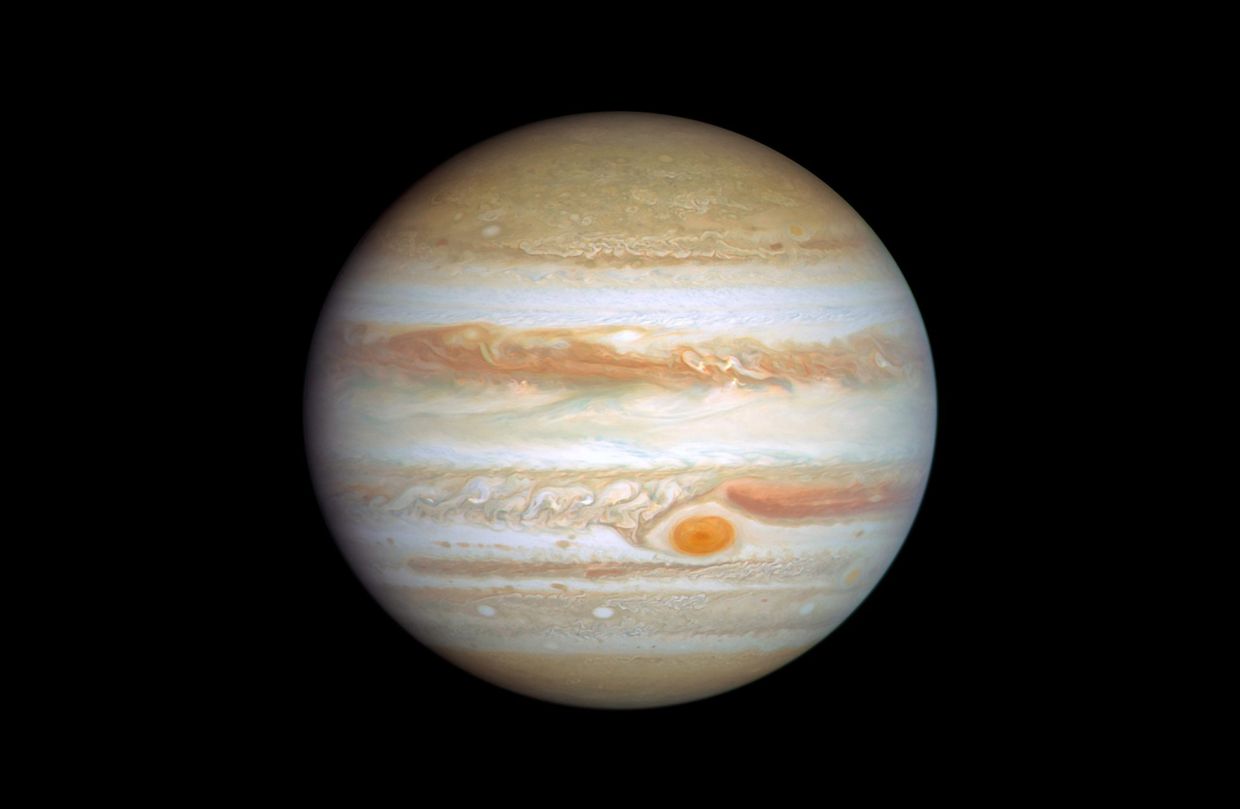
Chinese researchers have tested a new way for spacecraft to navigate in deep space, putting a concept funded by Nasa into practice and paving the way for the country’s planned mission to Jupiter in 2030.
Known as stellar aberration navigation, the approach uses tiny shifts in the relative position of stars to work out how fast a probe is moving and in what direction, allowing autonomous real-time navigation without constantly relying on tracking and commands from Earth.
Already a subscriber? Log in
Get 20% OFF The Star Digital Access
Cancel anytime. Ad-free. Unlimited access with perks.
RM 13.90/month RM 11.12 /month
Billed as RM 11.12 for the 1st month, RM 13.90 thereafter.
RM 12.33/month RM 9.87 /month
Billed as RM 118.40 for the 1st year, RM 148 thereafter.
Thank you for your report!
Trump says China is driving anger at US data centres. These residents disagree, reports SCMP
SMG, SCMP ink MOU aimed at strengthening business ties between M'sia, Hong Kong
SMG and SCMP ink landmark deal
中国研究人员测试了一种航天器在深空导航的新方法,将美国宇航局资助的概念付诸实践,为中国计划于 2030 年进行的木星探测任务铺平了道路。
这种方法被称为恒星光行差导航,它利用恒星相对位置的微小变化来计算探测器的移动速度和方向,从而实现自主实时导航,而无需不断依赖地球的跟踪和指令。
已经是订阅用户?登录
订阅《星报》数字版,立享八折优惠
随时取消。无广告。无限畅享,更有专属福利。
每月 13.90 马币 每月 11.12 马币
第一个月收费 11.12 马币,之后每月收费 13.90 马币。
每月12.33令吉 每月9.87令吉
第一年收费 118.40 马币,之后每年收费 148 马币。
感谢您的报告!
特朗普称中国煽动民众对美国数据中心的愤怒。据《南华早报》报道,这些居民对此表示反对。
SMG与SCMP签署谅解备忘录,旨在加强马来西亚与香港之间的商业联系
SMG和SCMP签署里程碑式协议