‘Digitalisation should not create a divide’: Gobind urges inclusive tech push“数字化不应造成鸿沟”:戈宾德呼吁推进包容性技术发展
KUALA LUMPUR, Sept 26 — The national digital transformation agenda must be implemented inclusively and cannot solely benefit those with access to technology.Digital Minister...
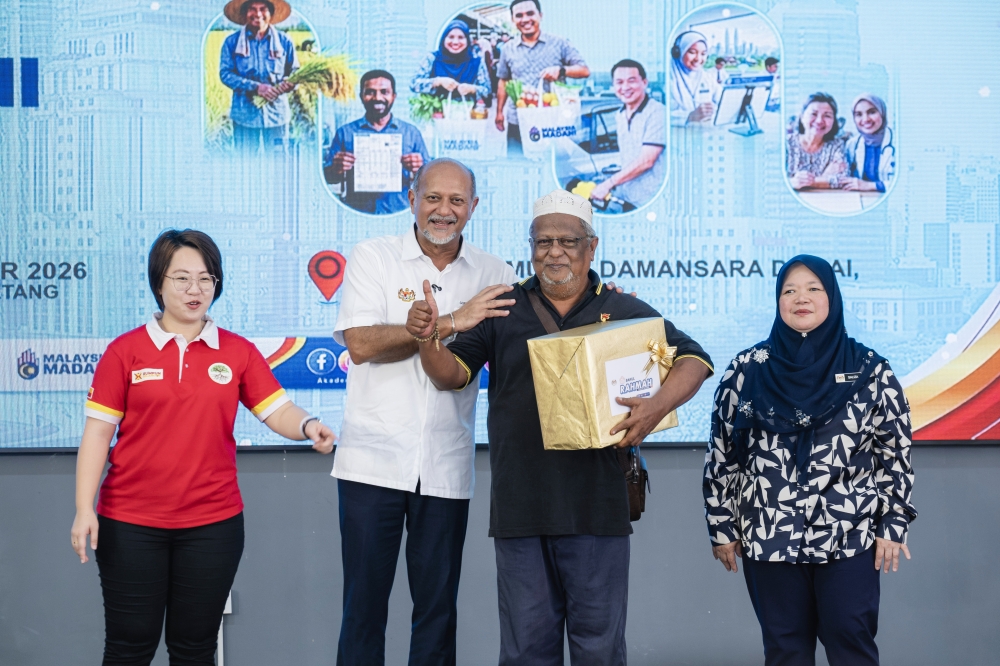
Digital Minister Gobind Singh Deo emphasized the necessity for an inclusive national digital transformation agenda in Malaysia, ensuring that all societal segments, including the digitally less literate, elderly, and low-income groups, benefit from digital advancements.
He underlined that technology should simplify lives and open opportunities without broadening the societal divide.
Speaking at the Madani Kita Programme, Gobind asserted that digitalisation is about enhancing people's lives, rather than just focusing on technology itself.
The program serves as a government outreach effort, facilitating public interaction with various ministries and agencies to better understand and engage with governmental initiatives.
KUALA LUMPUR, Sept 26 — The national digital transformation agenda must be implemented inclusively and cannot solely benefit those with access to technology.
Digital Minister Gobind Singh Deo said the digitalisation process must also ensure that the digitally less literate, elderly, low-income groups and small entrepreneurs can enjoy the same benefits.
“We want technology to be a tool that makes people’s lives easier, rather than adding to their burden. We want digitalisation to open up opportunities, not create a divide,” he said during the Madani Kita Programme at the Damansara Damai Community Hall here today.
Gobind, who is also the Damansara Member of Parliament, said the national digitalisation agenda was not solely about technology, but about people.
He said technology was merely a tool and what was important was how it was used to improve people’s lives.
“This is what we mean by digital for the people. Digital is not just about applications. Digital is not just about artificial intelligence (AI). Digital is not just about data and new technologies.
“Digital is about how all these developments ultimately benefit the people,” he said.
He said the measure of a policy’s success relied not only on how many programmes were implemented, but also on the extent to which the people benefited and experienced changes in their daily lives.
Meanwhile, Gobind said the Madani Kita Programme was a platform organised to bring the government closer to the people through the involvement of various ministries, departments and government agencies in a single location.
He said the programme, implemented by Akademi Kenegaraan Malaysia (AKM), allowed the public to interact directly with government agencies, obtain information on services, understand government initiatives, and convey their views, suggestions and problems. — Bernama
Hannah Yeoh suggests standardising routes to reduce road closures for KL running events
PAS logo an option for Perikatan in Melaka election if RoS suspension remains, says Takiyuddin
Fahmi: Govt to cover postal delivery costs for medicines from Oct 1 under MCMC-MOH initiative
数字部长哥宾星强调,马来西亚必须制定包容性的国家数字转型议程,确保包括数字素养较低的人群、老年人和低收入群体在内的所有社会阶层都能从数字进步中受益。
他强调,科技应该简化生活、创造机会,而不是加剧社会分化。
在 Madani Kita 活动上,戈宾德强调,数字化是为了改善人们的生活,而不仅仅是关注技术本身。
该计划旨在作为政府的一项对外宣传举措,促进公众与各部委和机构的互动,以便更好地了解和参与政府的各项举措。
吉隆坡,9月26日讯——国家数字化转型议程必须以包容的方式实施,不能仅仅让那些能够接触到技术的人受益。
数字部长哥宾星表示,数字化进程还必须确保数字素养较低的人群、老年人、低收入群体和小企业主能够享受到同样的益处。
“我们希望科技成为让人们生活更轻松的工具,而不是增加他们的负担。我们希望数字化带来机遇,而不是造成隔阂,”他今天在白沙罗达迈社区礼堂举行的“Madani Kita”活动上说道。
戈宾德同时也是达曼萨拉国会议员,他表示,国家数字化议程不仅仅关乎技术,更关乎人。
他说,技术仅仅是一种工具,重要的是如何利用技术来改善人们的生活。
这就是我们所说的“以人为本的数字化”。数字化不仅仅是应用程序,数字化不仅仅是人工智能(AI),数字化不仅仅是数据和新技术。
他说:“数字化的本质在于所有这些发展最终如何造福于人民。”
他表示,衡量一项政策是否成功的标准不仅在于实施了多少项目,还在于人民在多大程度上受益,以及他们的日常生活发生了多大的变化。
与此同时,戈宾德表示,“Madani Kita”计划是一个旨在通过让各个部委、部门和政府机构齐聚一堂,拉近政府与人民距离的平台。
他表示,这项由马来西亚公民学院(AKM)实施的计划,让公众能够直接与政府机构互动,获取服务信息,了解政府举措,并表达自己的意见、建议和问题。——马新社
Hannah Yeoh建议规范路线,以减少吉隆坡跑步赛事期间的道路封闭情况。
塔基尤丁表示,若马来西亚党继续被暂停,伊党标志是国盟在马六甲选举的一个选择
法米:根据马来西亚通讯及多媒体委员会(MCMC)和卫生部(MOH)的倡议,政府将从10月1日起承担药品邮寄费用。