Sleep, diet and ageing - S’pore’s version of Bryan Johnson on his clinical trial with just himself as a sample睡眠、饮食与衰老——新加坡版的布莱恩·约翰逊以自己为样本的临床试验
How did NUS scientist Prof Dean Ho reverse his biological age by 15 years? Discover how he stress-tested his diet and sleep using wearable tech in the DELTA study. Read more at straitstimes.com.
新闻视频
In Your Opinion Podcast
An NUS scientist reversed his own biological age after stress-testing his diet, sleep and exercise in a longevity study
Published Aug 26, 2026, 06:00 PM
Updated Sep 03, 2026, 11:51 AM
Synopsis: Conversations and interviews that give you something to think about. Each Wednesday, In Your Opinion speaks to thinkers, leaders, and the people shaping our lives and the issues of the day.
Strict bedtimes, daily exercise and cutbacks to fat and sugar intake are usually gleaned from big data as standard advice for better health. But what if you could effectively tailor these rules for your own body?
To find out more about how an individual’s biological baseline shifts over time, Dean Ho, director of the Institute for Digital Medicine (WisDM) at NUS Yong Loo Lin School of Medicine (NUS Medicine), embarked on a two-year study on himself to develop a technology that analyses the data from wearables.
Known as DELTA, this study had helped reverse the 47-year-old’s biological age by 15 years, after undergoing a series of lifestyle interventions, including varying fasting durations, exercise routines and nutrition adjustments. Throughout the process, this biological response was monitored in real-time to track a biological baseline shaped by age, stress, sleep, food, exercise and illness. His intense regimen included around 20 hours of fasting each day, multiple 48-hour fasts, 90 minutes of strength or cardiovascular training every morning, and a structured diet centred on leafy greens, seeds, olive oil, lean protein, and other Mediterranean-style foods. His beverages were limited to water, electrolytes, and black coffee or tea without milk and sugar.
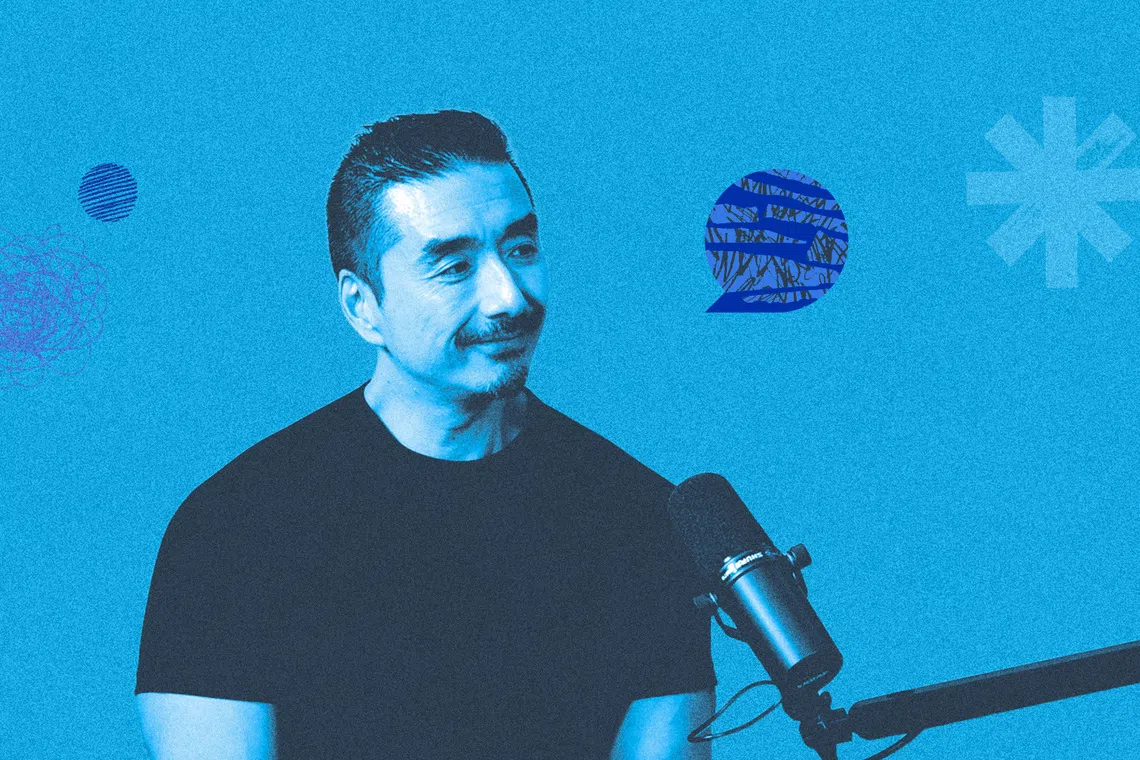
In this episode of In Your Opinion, Lynda Hong, assistant podcast editor from The Straits Times, sits down with Ho, who is also provost’s chair professor at the NUS Yong Loo Lin School of Medicine. They delve into why he embarked on this study with just himself as the study sample, and how he can still eat everything from chicken rice, and pizza to five chendols in 2.5 days when he went on a trip to Penang with his son.
Highlights (click/tap above):
7:48 Technology aspect to DELTA study in analysing vitals and biological age
10:00 How DELTA differs from Project Blueprint
12:52 Have your pizza and eat it too - understanding ‘your delta’ to optimise your biology
15:24 Ho’s interaction with Bryan Johnson
15:52 Ho on Bryan Johnson: ‘His dedication to sleep is inspiring’
17:46 Did Ho take any testosterone replacements, HGH, supplements?
20:30 Why a sample size of one is enough for the DELTA study
27:08 The function of a ‘digital twin’ in tailoring strategies to improve health
30:05 ‘Human behavior is more powerful than the most powerful medicines on the planet’
39:00 Taking small steps to drinking Kopi ‘O’ Kosong and sleeping more
43:00 Beyond the wrinkles and cutting sugar to the real reason why Ho pursues longevity
52:10 The Pursuit of Longevity vs. Quality of Life
Read ST’s Opinion section: https://str.sg/w7sH
Follow Lynda Hong on LinkedIn: https://str.sg/Gm2v
Host: Lynda Hong ( lyndahong@sph.com.sg )
Produced and edited by: Hadyu Rahim
Executive producers: Danson Cheong and Lynda Hong
Follow In Your Opinion Podcast here and get notified for new episode drops:
Channel: https://str.sg/w7Qt
Apple Podcasts: https://str.sg/wukb
Spotify: https://str.sg/w7sV
YouTube: https://str.sg/GjMT
Feedback to: podcast@sph.com.sg
Follow more ST podcast channels:
All-in-one ST Podcasts channel: https://str.sg/wvz7
Get more updates: http://str.sg/stpodcasts
Get The Straits Times app, which has a dedicated podcast player section:
The App Store: https://str.sg/icyB
Google Play: https://str.sg/icyX
ST Current Affairs Podcast
你的观点播客
新加坡国立大学一位科学家在一项长寿研究中,通过对饮食、睡眠和运动进行压力测试,成功逆转了自己的生理年龄。
发布于2026年8月26日下午6:00
更新于2026年9月3日上午11:51
简介:引人深思的对话和访谈。每周三,《你的观点》节目都会采访思想家、领袖以及那些影响我们生活和时事热点的人士。
严格的作息时间、每日锻炼以及减少脂肪和糖的摄入通常是从大数据中得出的促进健康的标准建议。但是,如果能够根据自身情况有效地调整这些规则呢?
为了更深入地了解个人的生物基线如何随时间变化,新加坡国立大学杨潞琳医学院(NUS Medicine)数字医学研究所(WisDM)所长何迪安(Dean Ho)对自己进行了为期两年的研究,以开发一种分析可穿戴设备数据的技术。
这项名为DELTA的研究帮助一位47岁的男性逆转了15岁的生理年龄。他接受了一系列生活方式干预,包括不同时长的禁食、规律的运动和营养调整。在整个过程中,研究人员实时监测了他的生理反应,以追踪受年龄、压力、睡眠、饮食、运动和疾病影响的生理基线。他的强化方案包括每天禁食约20小时,多次48小时禁食,每天早上进行90分钟的力量或有氧运动,以及以绿叶蔬菜、种子、橄榄油、瘦肉蛋白和其他地中海式食物为主的结构化饮食。他的饮料仅限于水、电解质饮料以及不加牛奶和糖的黑咖啡或茶。
在本期《你的观点》节目中,《海峡时报》播客助理编辑琳达·洪与新加坡国立大学杨潞琳医学院教务长讲席教授何志平进行了一次深入对话。他们探讨了何志平为何选择以自己为研究对象开展这项研究,以及他如何在与儿子去槟城旅行的两天半时间里,还能吃下从鸡饭、披萨到五份珍多冰等各种美食。
亮点(点击/轻触上方):
7:48 DELTA 研究在分析生命体征和生物年龄方面的技术应用
10:00 DELTA 与 Project Blueprint 有何不同
12:52 既能享受披萨,又能兼顾健康——了解“你的增量”以优化你的生物学特性
15:24 何与布莱恩·约翰逊的互动
15:52 何谈布莱恩·约翰逊:“他对睡眠的执着令人敬佩”
17:46 Ho 是否服用过睾酮替代药物、生长激素或补充剂?
20:30 为什么DELTA研究只需要一个样本量
27:08 “数字孪生”在制定改善健康的策略中的作用
30:05 “人类行为比地球上最强效的药物更强大”
39:00 慢慢来,喝杯Kopi 'O' Kosong,多睡点觉
43:00 抛开皱纹和减少糖分摄入,探寻何超琼追求长寿的真正原因
52:10 追求长寿与生活质量
请阅读《海峡时报》观点版块:https://str.sg/w7sH
在领英上关注 Lynda Hong:https://str.sg/Gm2v
主持人:Lynda Hong (lyndahong@sph.com.sg)
制作及剪辑:哈迪尤·拉希姆
执行制片人:张丹森和洪琳达
请在此关注“In Your Opinion”播客,并获取新剧集发布的通知:
频道:https://str.sg/w7Qt
Apple Podcasts:https://str.sg/wukb
Spotify:https://str.sg/w7sV
YouTube:https://str.sg/GjMT
请将反馈意见发送至:podcast@sph.com.sg
关注更多ST播客频道:
ST Podcasts综合频道:https://str.sg/wvz7
获取更多更新:http://str.sg/stpodcasts
下载《海峡时报》应用程序,该程序设有专门的播客播放器版块:
App Store:https://str.sg/icyB
Google Play:https://str.sg/icyX
ST时事播客