UK Navy fleet rebuild will prioritize unmanned systems, chief says英国海军司令表示,英国海军舰队重建将优先发展无人系统。
“We have a vision that will put our nation in the vanguard of autonomous maritime warfare," said Gen. Gwyn Jenkins, the chief of the Royal Navy.
LONDON — The Royal Navy will switch to an operational mantra of fielding uncrewed vessels over crewed options whenever possible, according to Gen. Gwyn Jenkins, the chief of the U.K. Royal Navy.
“For 35 years, we have operated under the assumption of a peace dividend. My mission is to move Royal Navy to war-fighting readiness in the next four years,” Jenkins, who serves as the U.K.’s First Sea Lord and Chief of Naval Staff, said during his keynote presentation at the 2025 DSEI UK show in London.
“We have a vision that will put our nation in the vanguard of autonomous maritime warfare. This will create a larger and more lethal fleet with a greater agility and resilience,” according to the general.
Jenkins said that, in its operational overhaul in the coming years, the U.K. Navy will be guided by a “simple but powerful principle: uncrewed when possible, and crewed only when necessary.”
“We will also have a hybrid air wing by the end of this decade, a fusion of crewed and uncrewed platforms,” he said.
The new unmanned capacities are to bolster the U.K.’s carrier strike group in the Indo-Pacific region, among others, according to the Navy chief.
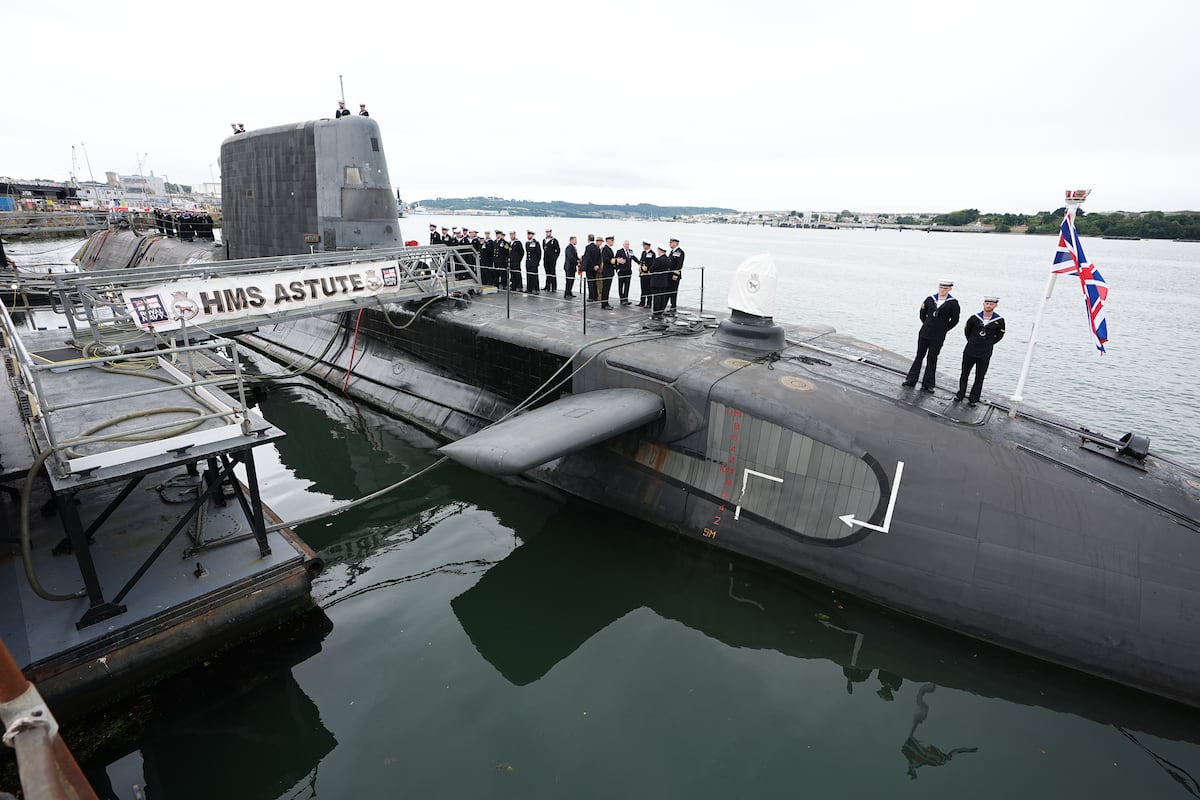
Jenkins called the nation’s submarine-launched nuclear deterrent the Navy’s top priority, alongside enhancing the force’s “innovation, leadership and agility.”
However, he did not refer to the AUKUS agreement under which nuclear-powered submarine technology is to be shared between the United States, the U.K. and Australia.
At the same time, the general recognized the U.K. Navy requires urgent replacement of large segments of its aging fleet.
Jenkins named Type-23 frigates as an example of warships that, while originally designed for a service life of 18 years, are to have their lifespans doubled. Under the plan, the vessels are to be replaced by Type 26 frigates by 2035.
Jaroslaw Adamowski is the Poland correspondent for Defense News.
伦敦——英国皇家海军司令格温·詹金斯将军表示,皇家海军将改变作战方针,尽可能部署无人舰艇而不是有人舰艇。
“35年来,我们一直秉持着和平红利的假设。我的任务是在未来四年内使皇家海军做好作战准备,”英国第一海务大臣兼海军参谋长詹金斯在伦敦举行的2025年DSEI英国防务展上发表主题演讲时说道。
这位将军表示:“我们有一个愿景,那就是使我们国家走在自主海上作战的前沿。这将打造一支规模更大、杀伤力更强、机动性和韧性更高的舰队。”
詹金斯表示,在未来几年的作战改革中,英国海军将遵循一个“简单而有力的原则:尽可能无人驾驶,仅在必要时才配备船员”。
“到本十年末,我们还将拥有一支混合型空中力量,融合有人驾驶和无人驾驶平台,”他说。
据海军司令称,这些新的无人作战能力将用于加强英国在印太地区的航母打击群等力量。
詹金斯称,海军的首要任务是发展潜射核威慑力量,同时还要增强海军的“创新能力、领导力和敏捷性”。
然而,他没有提及美国、英国和澳大利亚之间共享核动力潜艇技术的奥库斯协议。
与此同时,这位将军也意识到英国海军亟需对其老旧舰队的大部分舰艇进行更换。
詹金斯以23型护卫舰为例,指出这类军舰最初的设计服役寿命为18年,但其使用寿命将延长一倍。根据该计划,这些舰艇将在2035年前被26型护卫舰取代。
Jaroslaw Adamowski 是《防务新闻》驻波兰记者。