Russia funneling weapons through Libyan port, eying gateway to Africa俄罗斯正通过利比亚港口向非洲输送武器,觊觎通往非洲的门户。
The dynamic is partly due to America "misplaying" eastern Libyan warlord Gen. Khalifa Haftar, said one issue expert.
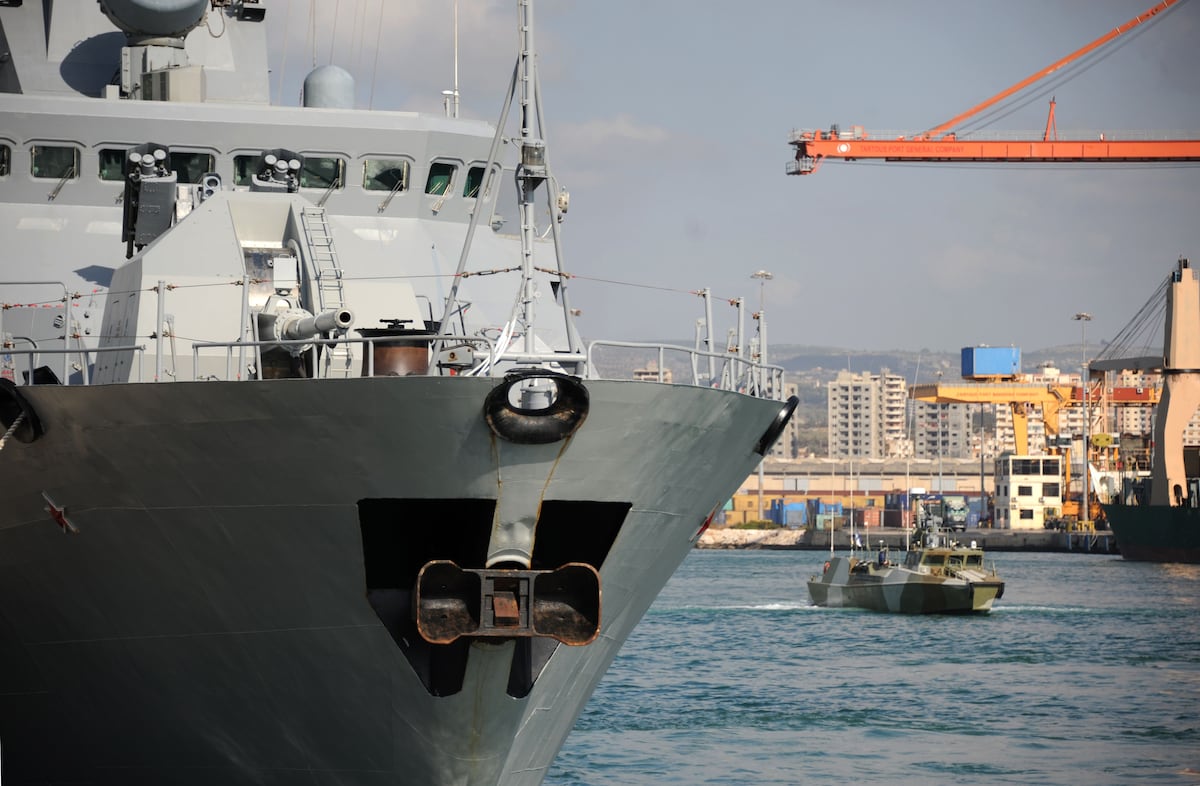
ROME — Russian vessels have been unloading thousands of tons of military equipment in the eastern Libyan port of Tobruk this month after repeated visits by Russia’s deputy defense minister Yunus-Bek Yevkurov to Gen. Khalifa Haftar, the strongman running eastern Libya.
The shipments, arriving from the Russian-controlled port of Tartus in Syria, contain towed artillery, armored personnel carriers and rocket launchers according to video released by Libyan news site Fawasel Media.
The equipment may in part be used to sustain Russia’s growing military presence in eastern Libya, but are also likely destined for countries further south in Africa like Niger, Mali and Burkina Faso where Russia has ties to leaders of recent coups.
Some experts see the uptick in activity as a result of America’s diplomatic strategy toward Haftar, which has failed to stop the warlord from allying with Russia and given Moscow the chance to pour weapons into the country, turning it into a gateway to supply its growing presence across Africa, the criticism goes.
“Eastern Libya is becoming a significant way station into Africa for Russia, and it comes after the U.S. seriously misplayed Haftar,” said Ben Fishman, a senior fellow at the Washington Institute for Near East Policy.
“There has been an continuous U.S. attempt to engage with Haftar, rather than isolate him, but he has repeatedly defied our requests and UN requests and moved closer to Russia. The U.S. approach has been to run the same football play over and over and expect a different result,” said Fishman, who previously served on the National Security Council.
Fishman said that Haftar had received Russian visits and made trips to Moscow while also holding meetings in Libya with Assistant Secretary of State for Near Eastern Affairs Barbara Leaf and U.S. special envoy Richard Norland.
“Indeed, the day after Norland and the Commander of Africom visited Derna in eastern Libya after the floods last September, Haftar flew to Moscow,” he said.
“Their approach was ‘He will move closer to Russia if we isolate him,’ but he moved closer anyway and Moscow is profiting,” said Fishman.
Through its proxy Wagner mercenaries, Russia backed Haftar’s failed bid to conquer western Libya in 2019 after the country split following the ousting of national leader Col. Muamar Gadaffi in 2011.
American diplomacy has recently aimed at convincing Haftar to take part in national elections to reunite the country, while Moscow has reportedly focused on negotiating a permanent Russian naval presence at Tobruk, giving it a foothold in the central Mediterranean.
As Russian military instructors meanwhile arrive in Niger to support coup leaders who took over the country last year, the fate of a U.S. base in the country from which drone flights are launched across Africa is in the balance.
“For some U.S. officials, Haftar is a good anti-terrorism asset so they are prepared to look away when he abuses human rights or jumps into bed with the Russians,” said a former Western diplomat who declined to be identified.
“But if the U.S. is worried about Russia’s growing role in Africa then maybe it should go beyond occasionally expressing concern,” the diplomat said.
On April 17, a U.S. Navy MQ-4C Triton drone flying out of Sigonella airbase in Sicily monitored Tobruk.
Fishman argued that the U.S. should have enlisted the help of the UAE or Egypt, who back Haftar. “Egypt has no interest in an increased Russian presence across the border in Libya - this was a missed opportunity,” he said.
“We never made it clear that isolation was an option. The next move could be sanctions, although that could be complicated by the fact that Haftar is a U.S. citizen. Aware of the threat, he has reportedly been moving accounts out of the U.S.,” said Fishman.
Before marshaling troops in Libya, Haftar was a CIA asset, living for years in Virginia.
Fishman said, “To reduce Russia’s ability to use Tobruk, there could be disruption of radar use or the stationing of vessels off the coast – but that is now impossible now given our commitments in the Red Sea.”
Tom Kington is the Italy correspondent for Defense News.
罗马——本月,俄罗斯船只在利比亚东部港口城市托布鲁克卸载了数千吨军事装备。此前,俄罗斯国防部副部长尤努斯-别克·叶夫库罗夫多次访问了控制利比亚东部的强人哈利法·哈夫塔尔将军。
据利比亚新闻网站 Fawasel Media 发布的视频显示,这批从俄罗斯控制的叙利亚塔尔图斯港运抵的物资包括牵引式火炮、装甲运兵车和火箭发射器。
这些装备可能部分用于维持俄罗斯在利比亚东部日益增长的军事存在,但也很可能最终会运往非洲更南部的国家,如尼日尔、马里和布基纳法索,俄罗斯与这些国家最近发生政变的领导人有联系。
一些专家认为,活动增多是美国对哈夫塔尔的外交战略的结果,该战略未能阻止这位军阀与俄罗斯结盟,反而让莫斯科有机会向该国倾销武器,使其成为向其在非洲日益增长的势力提供补给的门户。
“利比亚东部正在成为俄罗斯进入非洲的重要中转站,而这发生在美国严重误判哈夫塔尔之后,”华盛顿近东政策研究所高级研究员本·菲什曼说。
“美国一直试图与哈夫塔尔接触,而不是孤立他,但他一再无视我们的请求和联合国的请求,并向俄罗斯靠拢。美国的做法是反复使用同样的策略,却期待不同的结果,”曾任国家安全委员会成员的菲什曼说道。
菲什曼表示,哈夫塔尔曾接待俄罗斯方面的来访,并前往莫斯科,同时还在利比亚与美国负责近东事务的助理国务卿芭芭拉·利夫和美国特使理查德·诺兰举行了会晤。
“事实上,去年九月洪水过后,诺兰德和非洲司令部司令访问了利比亚东部的德尔纳,第二天哈夫塔尔就飞往了莫斯科,”他说。
菲什曼说:“他们的做法是‘如果我们孤立他,他就会向俄罗斯靠拢’,但他还是向俄罗斯靠拢了,而莫斯科从中获利了。”
2019年,俄罗斯通过其代理雇佣兵瓦格纳集团支持哈夫塔尔征服利比亚西部的失败尝试。此前,利比亚在2011年民族领袖穆阿迈尔·卡扎菲上校被推翻后分裂。
美国近期的外交目标是说服哈夫塔尔参加全国选举以实现国家统一,而据报道,莫斯科则专注于谈判在托布鲁克建立俄罗斯永久海军存在,从而在地中海中部获得立足点。
与此同时,俄罗斯军事教官抵达尼日尔,支持去年夺取该国政权的政变领导人,而美国在该国的一个基地的命运也悬而未决,该基地是无人机在非洲各地飞行的起飞点。
一位不愿透露姓名的西方前外交官表示:“对一些美国官员来说,哈夫塔尔是反恐方面的有力武器,所以当他侵犯人权或与俄罗斯人勾结时,他们就准备视而不见。”
“但如果美国担心俄罗斯在非洲日益增长的影响力,那么或许它不应该仅仅偶尔表达担忧,”这位外交官说。
4月17日,一架从西西里岛锡戈内拉空军基地起飞的美国海军MQ-4C“海神”无人机对托布鲁克进行了监视。
菲什曼认为,美国本应寻求支持哈夫塔尔的阿联酋或埃及的帮助。“埃及不希望俄罗斯在利比亚边境地区增加存在——这错失了一次良机,”他说。
“我们从未明确表示过孤立也是一种选项。下一步可能是制裁,但哈夫塔尔是美国公民这一事实可能会使制裁变得复杂。据报道,他意识到威胁后,一直在将账户转移到美国境外,”菲什曼说。
在向利比亚集结军队之前,哈夫塔尔曾是美国中央情报局的线人,在弗吉尼亚州生活多年。
菲什曼说:“为了削弱俄罗斯使用托布鲁克的能力,可以干扰雷达的使用或在海岸附近部署舰艇——但鉴于我们在红海的承诺,这现在已经不可能了。”
汤姆·金顿是《防务新闻》驻意大利记者。