SOCOM taps Aeon for limited run of shoulder-fired Zeus with $13.8M dealSOCOM与Aeon公司签订价值1380万美元的合同,限量生产肩扛式宙斯火箭筒。
“Rather than wait for requirements, we went directly to warfighters and built around what they told us they needed most: precision, less weight, modularity, and availability,” Aeon CEO Naweed Tahmas told Breaking Defense.
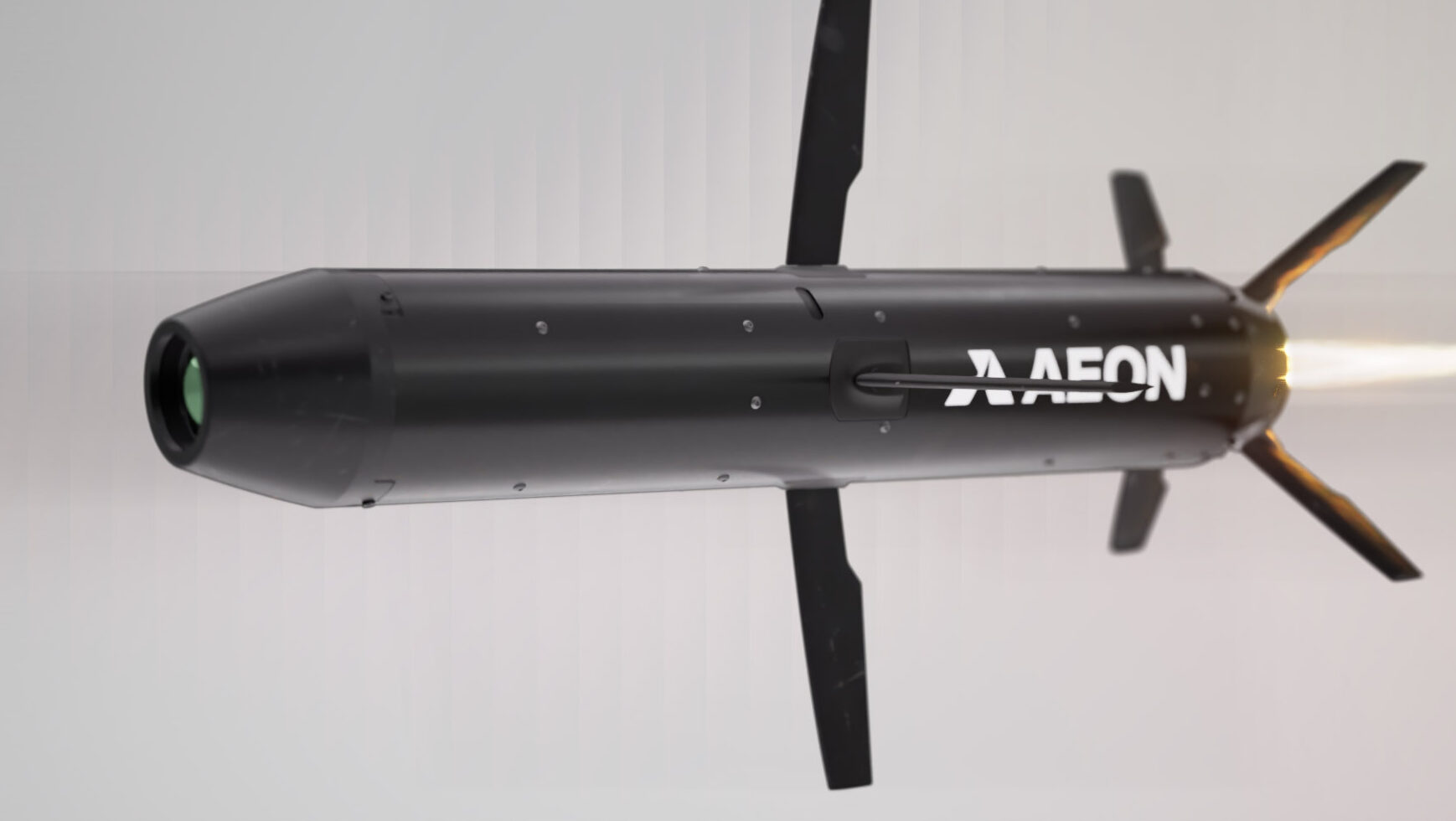
Aeon will provide SOCOM with an unspecified number of Zeus over the next year. (Photo courtesy of Aeon)
WASHINGTON — US Special Operations Command has tapped Aeon Industrial to produce a limited run of a new, developmental shoulder-fired version of its Zeus missile and launcher, the company told Breaking Defense.
Under a recent $13.8 million low-rate initial production deal, the company said it will deliver less than 100 of the weapons to SOCOM over the next year. The system, which the company says is around 20 pounds with a 30-inch-long weapon, is designed to be fired primarily in confined and urban environments.
“Rather than wait for requirements, we went directly to warfighters and built around what they told us they needed most: precision, less weight, modularity, and availability,” Aeon CEO Naweed Tahmas told Breaking Defense this week. “We invested our own capital to build it because no operator in the modern era should have to depend on 30-plus year-old unguided weapons.”
This is the first time that the US has purchased the shoulder-fired version Zeus that includes the missile and the tube it is launched out of. The US military has been using unguided systems like the M72 LAW for decades, while also turning to more expensive, guided systems like the Javelin. Aeon is now pushing Zeus as a possible lower-cost alternative to legacy guided systems.
SOCOM did not respond to questions about any additional companies under similar contracts, the Zeus order numbers, or plans to test out the system. However, SOCOM is famous for having quick-response acquisition authorities that lets it buy and test weapons at a pace faster than other parts of the US military.
Tahmas explained that the baseline weapon is designed to be “modular,” meaning operators can swap out the weapon’s warheads and seekers in the field without tools, depending on if they want to use the missile to target armored vehicles, personnel, drones, or other threats.
“The same system is designed to launch from the shoulder, a vehicle, a surface vessel, or a drone, without reconfiguration, using a removable control collar for quick mounting and dismounting,” he said. “A team can configure one precision platform for the mission at hand, employ it from the launch configuration that fits the situation, and take on new capabilities as threats evolve.”
Drones and autonomous warfare: ‘One-way attack’ and reshaping ISR
Systems that can work independently while still being part of a unit are critical to carrying out multi-domain operations.
Tahmus claimed that the Army and other Department of Defense “partners” have conducted “extensive development and live-fire testing” with Zeus, and that the company has received additional contracts to integrate the weapon onto unmanned surface vessels and for counter-drone applications.
However, the SOCOM deal represents a significant milestone in advancing the shoulder-fired Zeus configuration into production and delivery, building on an established record of development, testing, and execution.
“The program is focused on qualifying and delivering a production-capable system that meets special operations requirements,” Tahmas said. “Testing and operator evaluations will validate performance in operationally representative environments, while feedback from special operators will drive refinements to the user interface, handling, and capabilities as threats evolve.”
Breaking Defense Video
Qatar’s domestic weapons, Turkey’s drone arsenal and the Mecca pact’s next test
3 congressional races that matter for defense
How General Atomics views Europe’s unmanned future
A more flexible way to defend maneuver forces from drones that doesn’t tie them down [Sponsored]
What’s haunting the Pentagon this Halloween?
The new must-have capabilities for drones [Sponsored]
Army’s tech chief talks autonomy, acquisition and the future of drones
Drones take over AUSA, plus the Army’s plan to bring in new vendors
Hegseth talks autonomy at AUSA, a key show focus
Army doubles down on autonomy, stakes out Indo-Pacific role: AUSA Day 2
未来一年,Aeon公司将向美国特种作战司令部(SOCOM)提供数量不详的宙斯(Zeus)系统。(图片由Aeon公司提供)
华盛顿——美国特种作战司令部已委托 Aeon Industrial 公司限量生产其 Zeus 导弹和发射器的新型肩扛式研发版本,该公司告诉 Breaking Defense。
根据最近一项价值1380万美元的小批量初始生产协议,该公司表示将在未来一年内向美国特种作战司令部交付不到100支该型武器。该公司称,该系统重量约为20磅,配备30英寸长的武器,主要设计用于在狭窄和城市环境中作战。
“我们没有等待需求,而是直接与作战人员沟通,并根据他们最迫切的需求进行研发:精度高、重量轻、模块化和高可用性,”Aeon首席执行官纳维德·塔赫马斯本周告诉《防务新闻》。“我们投入自有资金进行研发,因为现代作战人员不应该依赖30多年前的非制导武器。”
这是美国首次采购肩扛式宙斯导弹,包括导弹和发射管。几十年来,美军一直在使用M72 LAW等非制导系统,同时也在研发更昂贵的标枪导弹等制导系统。Aeon公司现在力推宙斯导弹,希望它能成为传统制导系统的低成本替代方案。
SOCOM没有回应关于其他类似合同公司、宙斯导弹系统的订单号或系统测试计划等问题。不过,SOCOM以其快速反应的采购权限而闻名,这使其能够比美国军方其他部门更快地采购和测试武器。
塔马斯解释说,基本型武器的设计是“模块化”的,这意味着操作人员无需工具即可在现场更换武器的弹头和导引头,具体取决于他们是否想用导弹攻击装甲车辆、人员、无人机或其他威胁。
他说:“这套系统无需重新配置,即可从肩扛、车辆、水面舰艇或无人机上发射,它采用可拆卸控制环,方便快速安装和拆卸。一个团队可以根据当前任务配置一个精准平台,采用适合情况的发射配置,并随着威胁的演变而扩展其功能。”
无人机与自主作战:“单向攻击”与重塑情报、监视与侦察
能够独立运行但又能成为某个单位一部分的系统,对于执行多域作战至关重要。
塔姆斯声称,陆军和其他国防部“合作伙伴”已经对宙斯进行了“广泛的研发和实弹测试”,并且该公司已获得额外的合同,将该武器集成到无人水面舰艇上以及用于反无人机应用。
然而,SOCOM 的这笔交易标志着肩扛式宙斯导弹配置进入生产和交付阶段的一个重要里程碑,建立在已建立的开发、测试和执行记录之上。
塔马斯表示:“该项目的重点是鉴定并交付一套能够满足特种作战需求的量产型系统。测试和操作员评估将验证系统在具有代表性的作战环境中的性能,而特种作战人员的反馈将推动用户界面、操作和功能方面的改进,以应对不断变化的威胁。”
突破性防御视频
卡塔尔的国产武器、土耳其的无人机武库以及麦加条约的下一次测试
3场对国防至关重要的国会选举
通用原子公司如何看待欧洲的无人化未来
一种更灵活的防御机动部队免受无人机攻击的方式,不会限制其行动[赞助]
今年万圣节,五角大楼究竟闹鬼?
无人机必备的新功能 [赞助内容]
陆军技术主管谈无人机的自主性、采购和未来
无人机主导了美国陆军协会(AUSA)的会议,此外,陆军还计划引入新的供应商。
Hegseth 在 AUSA 大会上谈到了自主性,这是本次大会的一个重点议题。
陆军加倍强调自主性,明确印太地区角色:AUSA第二天