NATO to boost Baltic presence, send warships to guard undersea cables北约将加强在波罗的海的存在,派遣军舰保护海底电缆
“If the Russians see that we are present there, the likelihood of such sabotage acts immediately decreases," said one navy commander.
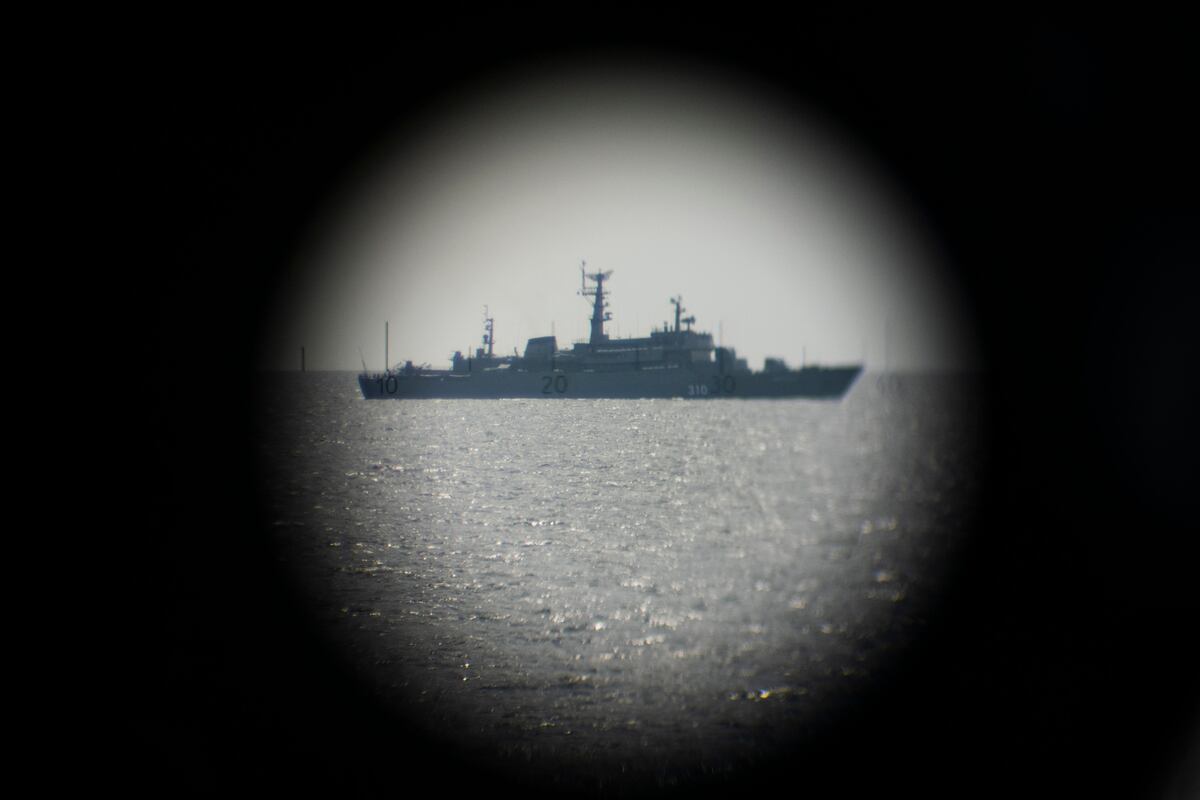
MILAN — After NATO announced last month that it would beef up its naval presence in the Baltic Sea, Finnish media reported that the military alliance is expected to deploy up to 10 warships to protect undersea cables in the area against possible sabotage.
Allies held an emergency meeting on Dec. 30 at NATO’s headquarters to assess possible ways to enhance the security of critical underwater infrastructure following the suspected deliberate damage of the Estlink 2 submarine cable between Finland and Estonia.
“In order to maintain vigilance, increase situational awareness and deter future incidents, NATO is enhancing its military presence in the Baltic Sea,” a statement issued by the organization said.
This will entail sending up to 10 ships to guard underwater infrastructure, which would include both NATO assets as well as vessels from member states that may remain at sea until April, the Finnish newspaper Yle reported on Jan 7.
The Gulf of Finland will continue to be patrolled by Finnish and Estonian ships in particular, it added.
The military alliance does not have a Baltic fleet per se, rather operating Standing NATO Maritime Group 1, or SNMG1, an quick-reaction force consisting primarily of destroyers and frigates. The fleet’s former Danish commander handed over its command to Royal Netherlands Navy Commodore Arjen S. Warnaar in a ceremony held in Norway on Jan 9.
According to the Estonian ERR news outlet, SNMG1 will operate on a more frequent basis in the Baltic region in the future.
“If the Russians see that we are present there, the likelihood of such sabotage acts immediately decreases, because saboteurs can be caught in the act, and once caught, it’s much easier to deal with them,” Warnaar was quoted by the publication as saying.
These reports have not yet been confirmed by NATO officials.
A criminal investigation is currently pending with Finnish authorities regarding the oil tanker Eagle S, which, while sailing under the flag of the Cook Islands in the South Pacific, is suspected of being part of Russia’s ‘shadow fleet’ of vessels transporting sanctioned-Russian crude and oil products.
Officials have said they believe that the ship may have been responsible for causing the disconnection of Estlink 2.
The Gulf of Finland benefits from a ship reporting system, the GOFREP, which requires all vessels entering the area to report their destination, allowing officials to monitor vessel movements and stop them if they deviate from their projected course.
Estonia has also launched its own naval operation to safeguard the Estlink power cable.
Elisabeth Gosselin-Malo was a Europe correspondent for Defense News. She covers a wide range of topics related to military procurement and international security, and specializes in reporting on the aviation sector. She is based in Milan, Italy.
米兰——北约上个月宣布将加强在波罗的海的海军存在后,芬兰媒体报道称,该军事联盟预计将部署多达 10 艘军舰,以保护该地区的海底电缆免受可能的破坏。
12月30日,盟军在北约总部举行紧急会议,评估在芬兰和爱沙尼亚之间的Estlink 2海底电缆疑似遭到蓄意破坏后,如何加强关键水下基础设施安全的可能途径。
“为了保持警惕,提高态势感知能力,并阻止未来事件的发生,北约正在加强其在波罗的海的军事存在,”该组织发表的一份声明称。
据芬兰报纸《Yle》1月7日报道,这将需要派遣多达10艘舰艇来保护水下基础设施,其中包括北约的资产以及可能在海上停留至4月份的成员国舰艇。
声明还补充说,芬兰湾将继续主要由芬兰和爱沙尼亚的船只巡逻。
北约本身并没有一支波罗的海舰队,而是运作着北约常备海上第一集群(SNMG1),这是一支主要由驱逐舰和护卫舰组成的快速反应部队。1月9日,在挪威举行的一场仪式上,该舰队的前任丹麦指挥官将指挥权移交给了荷兰皇家海军准将阿伦·S·瓦尔纳尔。
据爱沙尼亚ERR新闻媒体报道,SNMG1未来将在波罗的海地区更频繁地运行。
“如果俄罗斯人看到我们在那里,这种破坏行为发生的可能性就会立即降低,因为破坏分子可能会被当场抓获,一旦被抓获,处理起来就容易多了,”该出版物援引瓦尔纳尔的话说。
这些报道尚未得到北约官员的证实。
目前芬兰当局正在对油轮“鹰 S”号进行刑事调查,该油轮悬挂库克群岛国旗在南太平洋航行,被怀疑是俄罗斯“影子船队”的一部分,该船队运输受制裁的俄罗斯原油和石油产品。
官员们表示,他们认为这艘船可能是造成 Estlink 2 断开连接的原因。
芬兰湾受益于船舶报告系统 GOFREP,该系统要求所有进入该区域的船舶报告其目的地,使官员能够监控船舶的动向,并在船舶偏离预定航线时将其拦截。
爱沙尼亚也已启动自己的海军行动,以保护 Estlink 电力电缆。
伊丽莎白·戈斯林-马洛曾任《防务新闻》欧洲通讯员。她的报道涵盖军事采购和国际安全等广泛领域,尤其擅长航空领域的报道。她常驻意大利米兰。