KLIA ranks first in Asia for connectivity in OAG Megahubs 2026 ranking吉隆坡国际机场在OAG Megahubs 2026排名中位列亚洲互联互通第一
KUALA LUMPUR, Sept 17 — Kuala Lumpur International Airport (KUL) ranked fourth globally and first among all Asian airports in OAG’s Megahubs 2026 ranking, with connections to...
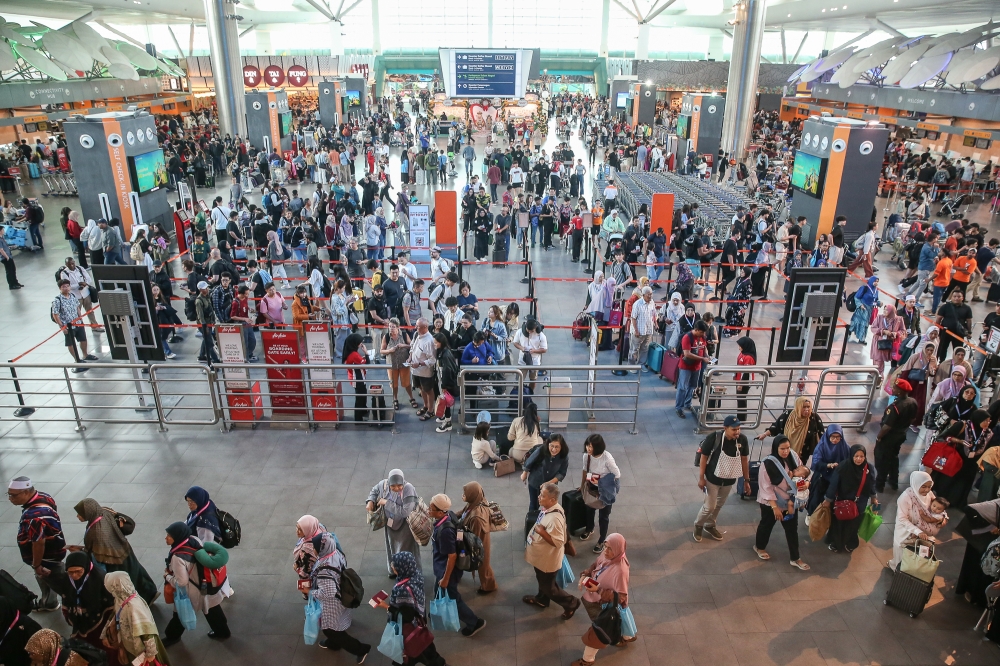
Kuala Lumpur International Airport (KUL) achieved the fourth position globally and led among Asian airports in the OAG Megahubs 2026 ranking, featuring 154 destination connections and topping the Low-Cost Carrier (LCC) Megahubs index with nearly 15,000 low-cost links.
AirAsia dominates 34% of KUL's flights, and the broader Asia Pacific region showcased strong performance with eight airports in the global top 20, marked by key recoveries from Chinese airports post-pandemic.
Additionally, the increasing prominence of low-cost carriers has notably reshaped Southeast Asian connectivity, with a majority of seats operated by LCCs.
KUALA LUMPUR, Sept 17 — Kuala Lumpur International Airport (KUL) ranked fourth globally and first among all Asian airports in OAG’s Megahubs 2026 ranking, with connections to 154 destinations, while also topping the Low-Cost Carrier (LCC) Megahubs index with nearly 15,000 possible low-cost connections.
OAG, the intelligence partner for global travel, said its annual ranking of global airport connectivity showed Asia Pacific (APAC) dominating the index, with eight airports in the global top 20.
According to OAG in a statement, AirAsia operates 34 per cent of total flights at KUL, while Seoul Incheon ranked second in the LCC rankings with connectivity reaching 198 destinations.
The recovery of Chinese airports was another standout feature in APAC, with Shanghai Pudong rising from 19th to 14th globally, Guangzhou Baiyun International from 36th to 19th, and Hong Kong returning to the global top 20 at 20th. Tokyo Haneda also improved, rising from ninth to eighth globally.
“The Asia Pacific numbers tell two stories this year. The first is the completion of Chinese aviation's post-pandemic recovery; these airports are back in the top 20, and the data shows it.
“The second is how low-cost carriers have reshaped Southeast Asian connectivity, with 51 per cent of all seats in the region now operated by LCCs, well above the global average,” said OAG Head of APAC, Mayur Patel.
OAG added that Singapore Changi climbed significantly in the LCC rankings, from 10th to fifth, reflecting growth in destinations served and potential low-cost connections, while Fukuoka rose from 13th to eighth in the LCC index.
The average dominant carrier share at APAC’s top 10 airports is 33 per cent, lower than in most other regions, reflecting the diverse mix of full-service and low-cost carriers serving different traveller segments across Southeast and Northeast Asia. — Bernama
Kota Kinabalu airport runway temporarily closed for rectification works
Papagomo fails to stay RM280,000 defamation payout to Lim Guan Eng, son
Palm oil mill shut down after pump failure sends effluent into Johor’s Sungai Sembrong
吉隆坡国际机场 (KUL) 在 OAG Megahubs 2026 排名中位列全球第四,在亚洲机场中排名第一,拥有 154 个目的地连接,并在低成本航空公司 (LCC) Megahubs 指数中名列榜首,拥有近 15,000 个低成本航线。
亚洲航空占据了吉隆坡机场 34% 的航班份额,而更广泛的亚太地区也表现出色,全球前 20 名机场中有 8 个,这主要得益于中国机场在疫情后的关键复苏。
此外,低成本航空公司的日益崛起显著改变了东南亚的航空连接格局,大部分座位都由低成本航空公司运营。
吉隆坡,9 月 17 日——吉隆坡国际机场 (KUL) 在 OAG 发布的 2026 年超级枢纽机场排名中位列全球第四,亚洲机场第一,拥有 154 个目的地连接,同时在低成本航空公司 (LCC) 超级枢纽机场指数中也名列前茅,拥有近 15,000 个可能的低成本连接。
全球旅行情报合作伙伴 OAG 表示,其年度全球机场连通性排名显示,亚太地区 (APAC) 在该指数中占据主导地位,全球前 20 名中有 8 个机场来自亚太地区。
OAG 在一份声明中表示,亚航运营着吉隆坡国际机场 (KUL) 总航班量的 34%,而首尔仁川机场在低成本航空公司排名中位列第二,航线覆盖 198 个目的地。
中国机场的复苏是亚太地区另一大亮点,上海浦东机场的全球排名从第19位上升至第14位,广州白云国际机场从第36位上升至第19位,香港机场重返全球前20名,位列第20位。东京羽田机场的排名也有所提升,从全球第9位上升至第8位。
“今年亚太地区的数据讲述了两个故事。第一个故事是中国航空业在疫情后完成了复苏;这些机场重回前20名,数据也证实了这一点。”
OAG亚太区负责人Mayur Patel表示:“第二点是低成本航空公司如何重塑东南亚的互联互通,该地区51%的座位现在由低成本航空公司运营,远高于全球平均水平。”
OAG补充说,新加坡樟宜机场在低成本航空排名中大幅上升,从第10名升至第5名,反映出其服务目的地和潜在的低成本连接的增长,而福冈机场在低成本航空指数中从第13名升至第8名。
亚太地区十大机场主要航空公司的平均市场份额为33%,低于大多数其他地区,这反映出东南亚和东北亚地区全服务航空公司和低成本航空公司为不同旅客群体提供服务的多元化组合。——马新社
亚庇机场跑道因维修工程暂时关闭
Papagomo未能向林冠英儿子保留28万令吉诽谤赔偿金
棕榈油厂因水泵故障导致污水流入柔佛州森布隆河,工厂被迫停产。