Argentina’s new president seeks stronger military amid fiscal troubles阿根廷新总统在财政困境中寻求加强军力
President Luis Petri promised on the campaign trail to modernize the country’s defense force, but experts question whether this is possible.
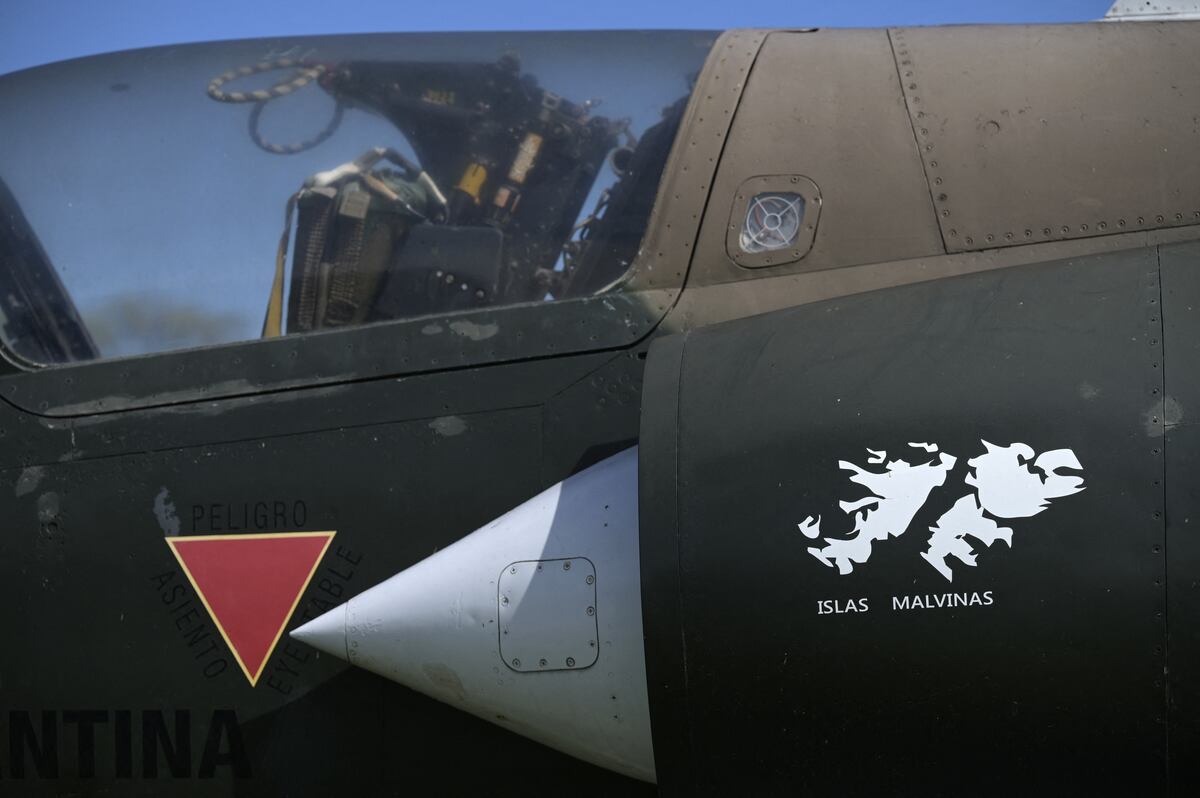
SANTIAGO, Chile — Argentina’s new president promised on the campaign trail to modernize the country’s defense force , but experts question whether this is possible given the fiscally harsh environment in which the government finds itself.
“It is very doubtful, actually unlikely, that the Ministry of Defense is going to receive the funding it needs to modernize and upgrade the capabilities of the military forces. The new government will soon come under the pressure and funding demands from other public sectors more important to voters, which will be impossible to ignore,” retired Argentine Army Col. Guillermo Lafferriere, an independent analyst based in Buenos Aires, told Defense News.
Indeed, during his Dec. 10 inauguration, President Javier Milei told the public to prepare for a painful shock adjustment with drastic public spending cuts. He has since appointed a new defense minister, Luis Petri, who worked as a lawyer and has security experience.
The president also brought on Patricia Bullrich, a longtime politician and first-round adversary from the coalition with the second most seats, as security minister. She held that same position during the administration of President Mauricio Macri, which lasted from 2015 to 2019, and is a staunch defender of military involvement in internal security.
During his campaign, Milei promised to modernize Argentina’s defense by improving military equipment and infrastructure, strengthening training, and adopting new technological and operational capabilities.
He also said his administration would review and update the country’s defense policy to better reflect the geopolitical environment. Milei has noted one focus of the new policy is to increase international collaboration to bolster Argentina’s relations with the United States and other Western nations.
And the new defense minister expressed an interest in sending Ukraine two Russian-made Mil Mi-17 helicopters currently in the Argentine Air Force’s inventory — another signal the nation is leaning Westward.
Lafferriere agreed the government should focus on improving the military, but warned a policy change will be a “tall challenge.”
“After several decades of being politically and financially neglected, the Argentine armed forces need not only to be reequipped but also to be reconverted. As they have fallen behind, their doctrine, organization and deployment are all today obsolete,” Lafferriere said. “The first step should be to make a deep review and update of the national defense policy. But I cannot see that the new government has the will to tackle such tall challenge, which has been avoided before by successive governments since the 1990s.”
But funding is also a problem, according to Sergio Eissa, the national training director at the Defense Ministry and a professor at the National Defense University in Buenos Aires. Eissa told Defense News that, after lawmakers rejected the previous government’s proposed budget for fiscal 2024, the new administration will likely have to use funding levels from fiscal 2023.
“The problem is that if the amount approved for 2023 is used, its real value will be a lot lower than it was in that year as a result of high inflation,” Eissa explained. “Before any modernization and development of military capabilities is undertaken, there is a need to revise the national policy of defense, to define the kind of armed forces and military capacities Argentina needs from now and toward the future. That must be the first step.”
The Associated Press contributed to this report.
José Higuera is a Latin America correspondent for Defense News.
智利圣地亚哥——阿根廷新总统在竞选期间承诺要实现该国国防军的现代化,但专家们质疑,鉴于政府目前面临的财政困境,这是否可能实现。
“国防部能否获得所需的资金来现代化和提升军队能力,这一点非常值得怀疑,实际上几乎不可能。新政府很快就会面临来自其他对选民更为重要的公共部门的压力和资金需求,这些需求是无法忽视的,”常驻布宜诺斯艾利斯的独立分析师、阿根廷退役陆军上校吉列尔莫·拉弗里埃告诉《防务新闻》。
事实上,在12月10日的就职典礼上,哈维尔·米莱总统就告诉公众,要做好准备迎接痛苦的冲击性调整,政府将大幅削减公共开支。此后,他任命了路易斯·佩特里为新的国防部长,佩特里曾是一名律师,拥有安全领域的工作经验。
总统还任命了资深政客帕特里夏·布尔里奇担任安全部长。布尔里奇来自拥有第二大席位的执政联盟,是总统在第一轮选举中的对手。她曾在毛里西奥·马克里总统2015年至2019年的执政期间担任过同样的职务,并且是军队参与国内安全的坚定支持者。
米莱在竞选期间承诺,将通过改进军事装备和基础设施、加强训练以及采用新的技术和作战能力来实现阿根廷国防的现代化。
他还表示,其政府将审查并更新国家国防政策,以更好地反映地缘政治环境。米莱指出,新政策的重点之一是加强国际合作,以巩固阿根廷与美国和其他西方国家的关系。
新任国防部长表示有兴趣向乌克兰提供两架目前阿根廷空军装备的俄罗斯制造的米-17直升机——这再次表明该国正在向西方靠拢。
拉弗里埃同意政府应该集中精力改善军队,但他警告说,政策改变将是一个“艰巨的挑战”。
拉弗里埃表示:“阿根廷武装部队在政治和财政上被忽视了几十年,不仅需要重新装备,还需要彻底改革。由于落后于时代,他们的理论、组织和部署如今都已过时。第一步应该是对国防政策进行深入审查和更新。但我看不出新政府有决心应对这一艰巨挑战,自上世纪90年代以来,历届政府都一直在回避这个问题。”
但据国防部国家培训主任、布宜诺斯艾利斯国防大学教授塞尔吉奥·艾萨 (Sergio Eissa) 称,资金也是一个问题。艾萨告诉《防务新闻》,由于议员们否决了上届政府提出的2024财年预算,新政府可能不得不沿用2023财年的拨款水平。
“问题在于,如果动用2023年批准的预算,由于高通胀,其实际价值将远低于当年的水平,”艾萨解释说。“在进行任何军事能力现代化和发展之前,有必要修订国家国防政策,明确阿根廷现在和未来需要什么样的武装力量和军事能力。这必须是第一步。”
美联社对本报道亦有贡献。
何塞·伊格拉是《防务新闻》拉丁美洲记者。