Japan’s 2026 defense white paper highlights ‘new era of crisis’ in Indo-Pacific日本2026年防卫白皮书强调印太地区“危机新时代”。
Japan’s 2026 Defense White Paper called China the world's “greatest strategic challenge,” citing Beijing’s expanded cooperation with Moscow.
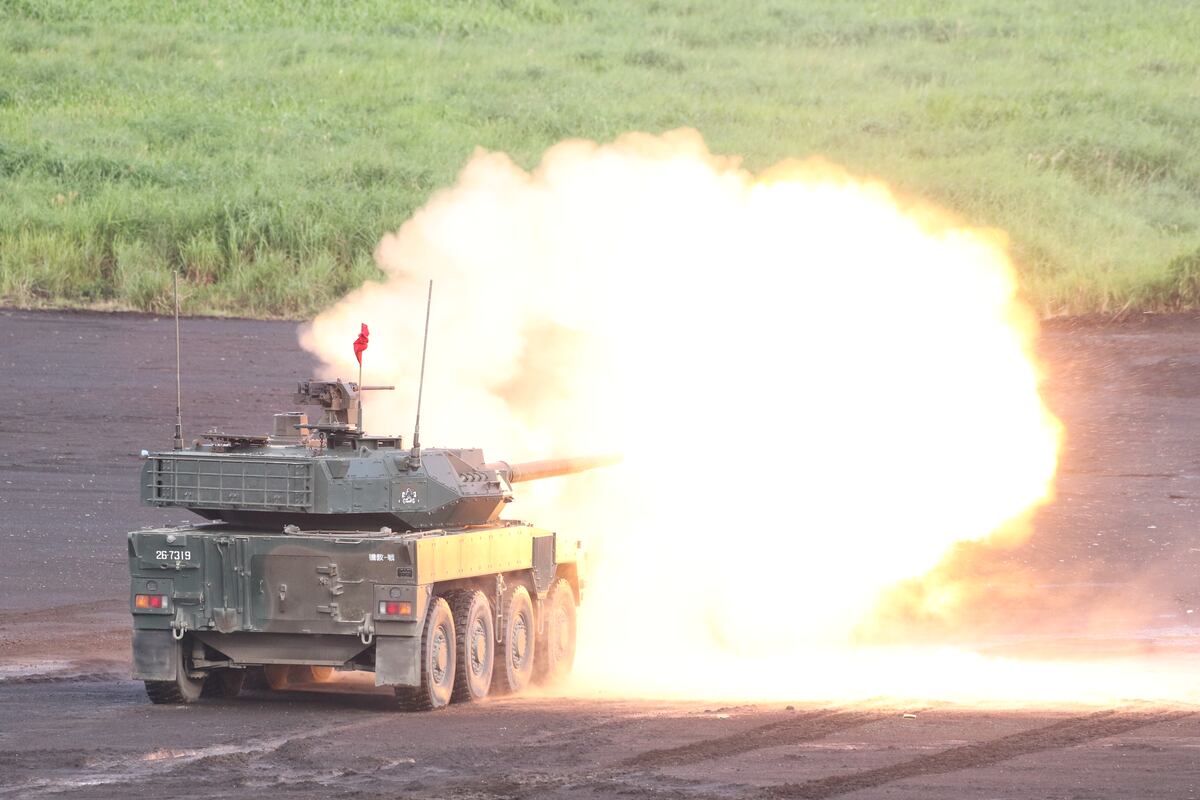
Japan releases defense white papers each year, but its 2026 edition marked important shifts in the country’s approach to defense strategy, procurement and production.
“The international community is facing its greatest trial since World War II and [is] entering a new era of crisis,” the document warned. “It cannot be ruled out that a serious situation similar to Russia’s aggression against Ukraine may occur in the Indo-Pacific region in the future, particularly in East Asia.”
China, Russia and North Korea are fingered as culprits.
In fact, Japan’s 2026 Defense White Paper noted China presents “the greatest strategic challenge,” also citing Beijing’s growing concordance with Moscow in joint exercises as an alarming trend.
After studying Ukraine and developments in modern warfare, the document highlighted necessary solutions such as renewed focus on lower-cost systems; innovations in research, development and production; increased production; and stockpiling of materiel.
Japan is acquiring a large number of low-cost, unmanned vehicles in the air, sea and underwater domains. These unmanned systems will help establish what it calls the Synchronized, Hybrid, Integrated and Enhanced Littoral Defense, or SHIELD, by Fiscal Year 2027.
The paper highlighted how Japan’s indigenous defense industry is increasingly important. However, some companies like Komatsu and Mitsui have already abandoned or downsized their involvement in the defense sector.
Tokyo believes increased spending will help reinforce the military-industrial complex, but it wants industrial innovation to develop military equipment in response to rapid changes in combat. The industrial base also needs to be scalable to meet Japanese requirements, the paper says.
Likewise, Japan is strengthening defense equipment cooperation internationally, with the most obvious fruit being Australia’s decision to buy Upgraded Mogami-class frigates.
The white paper reiterated that the Japan-U.S. alliance remains its “cornerstone” relationship.
However, Grant Newsham, senior research fellow at the Japan Forum for Strategic Studies, highlighted Japan’s “decades of pathological dependence on the Americans to take care of Japan’s defense,” and its “so-called pacifist mindset and contrived constitutional prohibitions on an effective defense force” as challenges needing to be overcome.
Nonetheless, the paper asserted, by FY 2027, the country “will strengthen its defense capability to the point where Japan is able to take primary responsibility for dealing with invasions against its nation, and disrupt and defeat such threats with the support of its ally and others.”
Tokyo has already achieved 2% defense spending as a proportion of GDP, and it is seeking a record JPY8.9 trillion, or $56.1 billion USD, defense budget next year.
This budget request, likely to rise further, will be submitted at the end of August.
“Ukraine really spurred Japanese awareness — figuring that Taiwan was next, with everything that would portend for Japan’s security,” Newsham told Defense News. “This has not, however, translated into a Japan Self-Defense Force that’s organized and capable of fighting a war.”
Gordon Arthur is an Asia correspondent for Defense News. After a 20-year stint working in Hong Kong, he now resides in New Zealand. He has attended military exercises and defense exhibitions in about 20 countries around the Asia-Pacific region.
日本每年都会发布国防白皮书,但 2026 年版的白皮书标志着该国在国防战略、采购和生产方面发生了重大转变。
文件警告说:“国际社会正面临二战以来最严峻的考验,并正在进入一个新的危机时代。不能排除未来在印太地区,尤其是在东亚地区,发生类似于俄罗斯侵略乌克兰的严重局势。”
中国、俄罗斯和朝鲜被指认为罪魁祸首。
事实上,日本2026年防卫白皮书指出,中国构成了“最大的战略挑战”,并指出北京与莫斯科在联合演习中日益一致的趋势令人担忧。
在研究了乌克兰和现代战争的发展之后,该文件强调了必要的解决方案,例如重新关注低成本系统;在研究、开发和生产方面进行创新;提高产量;以及储备物资。
日本正在空中、海上和水下领域采购大量低成本无人载具。这些无人系统将有助于其在2027财年之前建立所谓的“同步、混合、一体化和增强型近岸防御系统”(SHIELD)。
该报告强调了日本本土国防工业日益增长的重要性。然而,像小松和三井这样的一些公司已经放弃或缩减了在国防领域的业务。
东京方面认为,增加军费开支有助于巩固军工复合体,但它希望通过工业创新来研发军事装备,以应对作战方式的快速变化。报告还指出,工业基础也需要具备可扩展性,以满足日本的需求。
同样,日本也在加强与国际防务装备的合作,最明显的成果是澳大利亚决定购买升级版最上级护卫舰。
白皮书重申,日美同盟仍然是两国关系的“基石”。
然而,日本战略研究论坛高级研究员格兰特·纽沙姆强调,日本“数十年来病态地依赖美国来保障日本的国防”,以及其“所谓的和平主义心态和人为制定的宪法对有效国防力量的限制”,都是需要克服的挑战。
不过,该文件断言,到 2027 财年,日本“将加强其国防能力,使日本能够承担应对对其国家的入侵的主要责任,并在盟友和其他国家的支持下,扰乱和击败此类威胁”。
东京的国防开支占GDP的比例已经达到2%,并且正在寻求明年创纪录的8.9万亿日元(约合561亿美元)的国防预算。
这份预算申请很可能会进一步增加,将于八月底提交。
纽瑟姆告诉《防务新闻》:“乌克兰事件确实提高了日本的警惕性——他们认为台湾是下一个目标,而台湾的一切都将对日本的安全构成威胁。然而,这并没有转化为一支组织严密、具备战争能力的日本自卫队。”
戈登·阿瑟是《防务新闻》的亚洲特派记者。在香港工作20年后,他现居新西兰。他曾到访亚太地区约20个国家,参加过军事演习和防务展览。