The Russians Just Did A Fly-By Of Area 51俄罗斯人刚刚飞越了51区。
Russia's specially equipped Tu-154M Open Skies aircraft is doing a grand tour of America's most sensitive military installations out west.
Updated Dec 1, 2019 6:41 AM EST
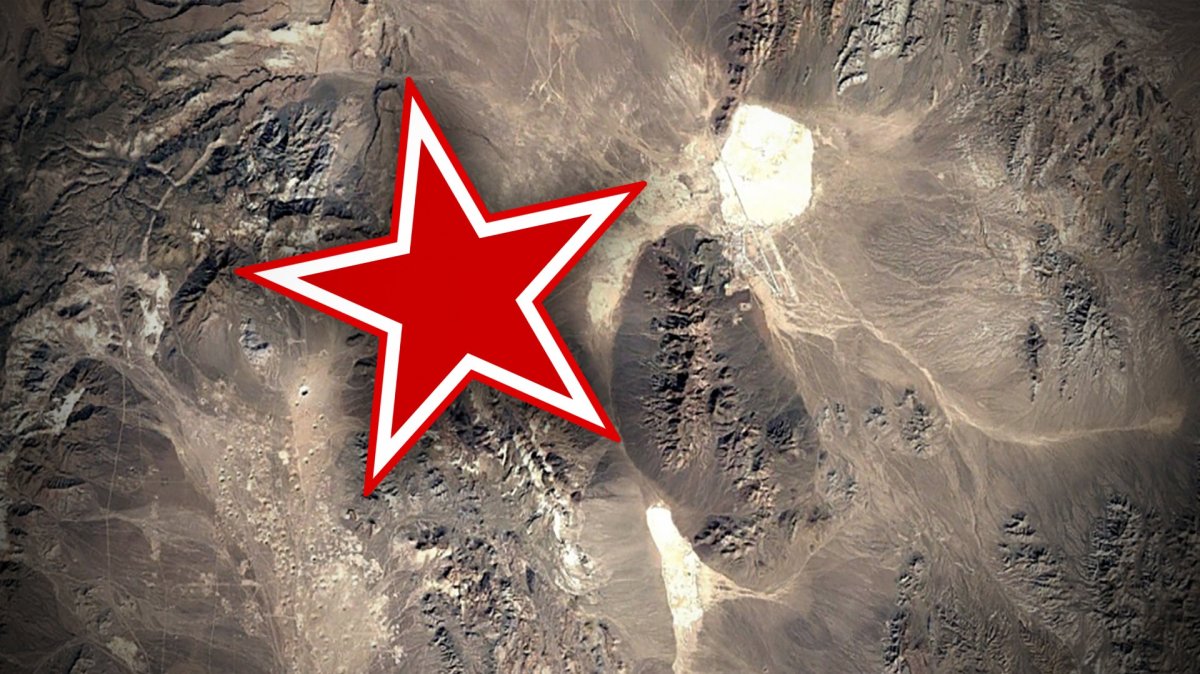
The Russians are operating their Tu-154M aircraft configured for surveillance flights sanctioned under the Open Skies Treaty that allows member countries to conduct surveillance flights over each other’s territory relatively unimpeded. The aircraft are equipped with imaging equipment with specific limitations and monitors from the country being surveilled are onboard the flights to make certain the party complies with the parameters of the treaty. This latest series of Russian Open Skies flights are being conducted out of Great Falls , Montana and are covering a slew of strategic points in the western part of the United States, including the highly secure Nellis Test and Training Range (NTTR) in southern Nevada, home of Area 51 .
The mid-day flight on March 28th, 2019 appears to have originated out of Travis AFB, located near San Francisco, and continued on something of a highlights tour of American military installations in California and Nevada. It flew south over central California, passing near bases like Naval Air Station Lemoore and headed out over the Channel Islands. It then headed directly over Edwards AFB before meandering around Fort Irwin and on to Naval Air Weapons Station China Lake before hooking a right and heading toward Creech AFB in Nevada. It then headed north, directly into the NTTR— the most secure airspace in the United States along with Washington, D.C.
This is the medium altitude imaging portion of the flight that the Tu-154M flew. , Flightradar24
It flew directly over Edwards AFB., Flightradar24
Then to Fort Irwin and the National Training Center. , Flightradar24
It then headed up over Naval Air Weapons Station China Lake. , Flightradar24
It then turned east and flew directly over Creech AFB, the heart of America’s unmanned aircraft operations. , Flightradar24
After it flew over Creech AFB, it headed up to Yucca Flat, where one of America’s nuclear weapons assembly plants is located, and a secretive airstrip that specializes in test flights of unmanned aircraft, as well as other sensitive Department Of Energy installations. It then headed over the pockmarked Nevada Test Site . Area 51 sits just to the east of this location. The aircraft’s panoramic cameras can collect fairly wide swathes of imagery along the Open Skies aircraft’s flight path.
The voyage continued north, with Tonopah Test Range to the east, before heading northeast towards Salt Lake. It passed somewhat near Dugway Proving Grounds on its way back to Great Falls, but it’s not clear if the aircraft was collecting imagery at that time. If it was, it was doing so at double the altitude as before. The Tu-154 flew at an altitude of around 14,000 to 15,000 feet for the part of its trip over Nevada and California, before climbing out to above 30,000 feet after exiting the NTTR and heading back to its temporary base of operations in Great Falls.
A flight before this one saw the Tu-154 check out Salt Lake and Hill AFB, Las Vegas and Nellis AFB, pretty much all of San Diego, and up the Southern California coast, which has plenty of military bases and weapons storage areas. It then flew directly to Plant 42 in Palmdale before climbing up and heading to Travis AFB to land and refuel.
These are Russia’s first Open Skies missions over the U.S. for the year. The U.S. has already flown a number of Open Skies sorties over Russia in February .
Russia Tu-154M configured and certified for Open Skies flights. , Papas Dos/wikicommons
Open Skies almost became a thing of the past when the U.S. accused the Russians of abusing the agreement and not offering equal treatment as defined by its terms. The U.S. also claimed that the equipment on Russian’s newest Tu-214ON Open Skies plane didn’t meet the limiting requirements of the treaty. Many think that the Russians get far more out of Open Skies than the U.S. as their satellite imaging and general reconnaissance capabilities are more limited than those of the U.S. military. You can more about this situation here .
Just as it looked like Open Skies was crumbling, there was a sudden about-face and the flights resumed, with an especially high profile U.S. sortie over Ukraine occurring in January .
The Russians definitely have a ton of new intelligence data to pore over after yesterday’s missions. We’ll keep an eye on the Tu-154M’s movements out of Great Falls to see if it flies any more missions over some of America’s most sensitive military installations in the days to come.
Special thanks to observer and tracker Jeff LeBarron who spotted the Russian Tu-154 in flight near Area 51 in March 2019 using the Flightradar24 app.
Contact the author: Tyler@thedrive.com
Author’s note: The Tu-154M used for Open Skies missions is only equipped with optical sensors. The mention about radar was removed/corrected for accuracy purposes.
Comments couldn’t be loaded. Please refresh the page.
更新于美国东部时间2019年12月1日上午6:41
俄罗斯正在使用其图-154M型飞机执行根据《开放天空条约》授权的侦察飞行任务。该条约允许成员国在彼此领空进行相对不受阻碍的侦察飞行。这些飞机配备了具有特定限制的成像设备,被侦察国的监督人员也会随机飞行,以确保对方遵守条约规定。俄罗斯最新一批的“开放天空”飞行任务从蒙大拿州大瀑布城起飞,覆盖了美国西部的一系列战略要地,其中包括位于内华达州南部、高度戒备的内利斯试验训练靶场(NTTR),即51区所在地。
2019年3月28日中午的这架飞机似乎从位于旧金山附近的特拉维斯空军基地起飞,随后对加利福尼亚州和内华达州的美国军事设施进行了一次“精华之旅”。飞机向南飞越加利福尼亚州中部,途经勒莫尔海军航空站等基地,然后飞越海峡群岛。之后,飞机直接飞越爱德华兹空军基地,绕过欧文堡,飞往中国湖海军航空武器站,然后右转飞往内华达州的克里奇空军基地。随后,飞机向北飞入国家运输研究区(NTTR)——与华盛顿特区一起,是美国最安全的空域之一。
这是图-154M飞机执行的中空成像飞行任务。(Flightradar24)
它直接飞越了爱德华兹空军基地。(Flightradar24)
然后前往欧文堡和国家训练中心。(Flightradar24)
随后它飞越了中国湖海军航空武器站。(Flightradar24)
随后它转向东飞,直接飞越了克里奇空军基地,那里是美国无人机作战的核心地带。(Flightradar24)
飞越克里奇空军基地后,飞机飞往尤卡平原,那里坐落着美国核武器组装厂之一,以及一条专门用于无人机试飞的秘密跑道,附近还有其他一些美国能源部的敏感设施。随后,飞机飞越了布满弹坑的内华达试验场。51区就位于该试验场以东。飞机上的全景相机可以沿着“开放天空”行动飞机的飞行路线拍摄相当大范围的图像。
飞行继续向北,东面是托诺帕试验场,然后转向东北方向飞往盐湖城。在返回大瀑布城的途中,飞机略微飞越了达格威试验场附近,但尚不清楚当时飞机是否正在采集图像。如果当时正在采集图像,那么它的飞行高度是之前的两倍。这架图-154飞机在飞越内华达州和加利福尼亚州的部分路段时,飞行高度约为14000至15000英尺,离开托诺帕试验场后,爬升至30000英尺以上,返回位于大瀑布城的临时作战基地。
在此次飞行之前,这架图-154飞机勘察了盐湖城和希尔空军基地、拉斯维加斯和内利斯空军基地、几乎整个圣地亚哥地区,以及拥有众多军事基地和武器库的南加州海岸线。之后,它直接飞往帕姆代尔的42号工厂,然后爬升至特拉维斯空军基地降落加油。
这是俄罗斯今年首次在美国上空执行“开放天空”飞行任务。美国已于2月份在俄罗斯上空进行了多次“开放天空”飞行。
俄罗斯图-154M型飞机已完成配置并获得开放天空飞行认证。,Papas Dos/wikicommons
当美国指责俄罗斯滥用《开放天空条约》,未能按照条约规定给予平等待遇时,该条约几乎就成了历史。美国还声称,俄罗斯最新型的图-214ON“开放天空”飞机上的设备不符合条约的限制性要求。许多人认为,由于俄罗斯的卫星成像和通用侦察能力远逊于美国,因此俄罗斯从《开放天空条约》中获益更多。您可以在这里了解更多相关信息。
正当人们以为“开放天空”计划即将崩溃时,局势突然逆转,航班恢复飞行,其中一架备受瞩目的美国飞机于 1 月份飞越乌克兰。
昨天的任务之后,俄罗斯肯定掌握了大量新的情报数据需要仔细研究。我们将密切关注图-154M从大瀑布城起飞的动向,看看它未来几天是否会再次飞越美国一些最敏感的军事设施。
特别感谢观察员兼追踪者 Jeff LeBarron,他于 2019 年 3 月使用 Flightradar24 应用程序在 51 区附近发现了正在飞行的俄罗斯 Tu-154。
联系作者:Tyler@thedrive.com
作者注:用于开放天空任务的图-154M仅配备光学传感器。文中关于雷达的描述已删除/更正,以确保准确性。
评论加载失败,请刷新页面。