US, South Korea to cut length, scope of military drills after Trump order特朗普下令后,美韩将缩减联合军演的时长和规模
The U.S. and South Korea will cut short their annual joint military drills and scale back field training after Trump ordered a reduction in participation.
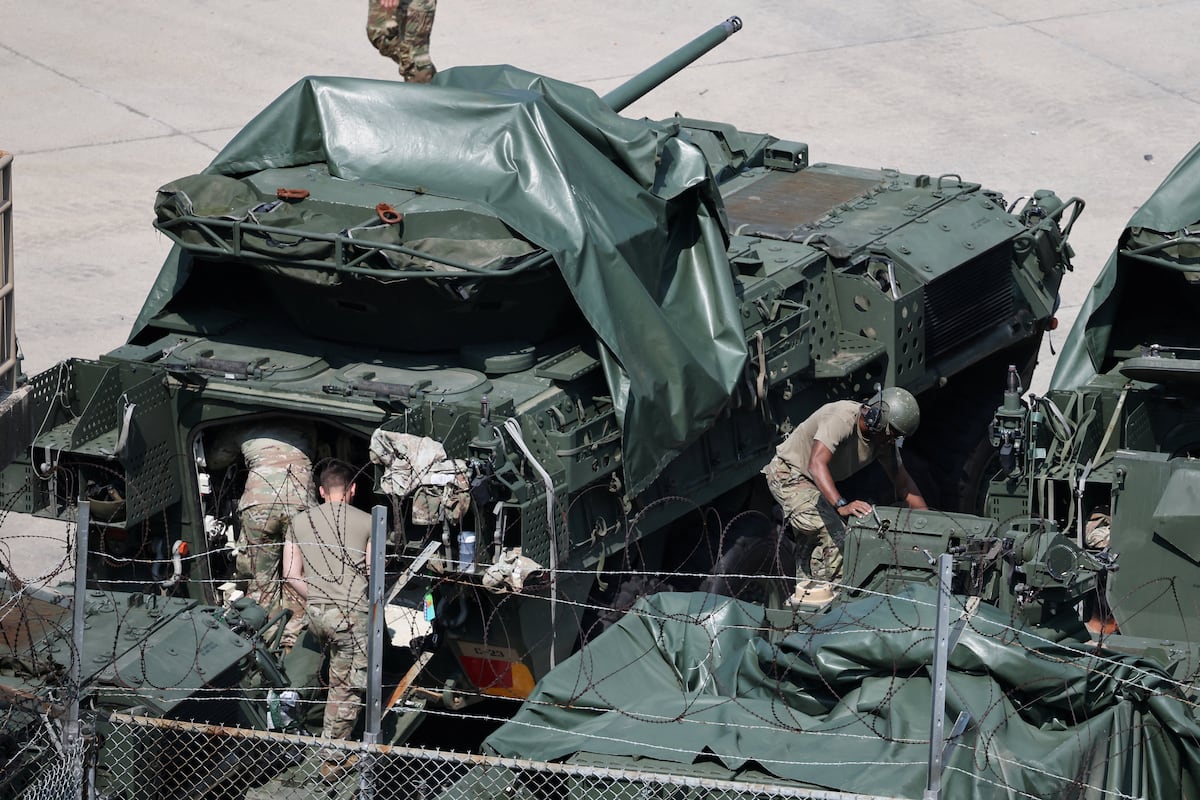
South Korea and the United States will cut short annual joint military drills to five days from 11 and scale back some field training, the allies said on Wednesday, after President Donald Trump ordered a substantial reduction in U.S. participation.
The change in the drills comes as Chinese Foreign Minister Wang Yi visits South Korea on Wednesday and Thursday for regional security talks expected to cover developments on the Korean Peninsula.
North Korea’s Kim Yo Jong, sister of leader Kim Jong Un, late on Wednesday dismissed the move, saying the nature of the exercises remained provocative and aggressive even if the scale and duration had been reduced, according to a statement published by state media KCNA.
The Ulchi Freedom Shield exercise, which began on Aug. 17, will now run through Aug. 21, South Korea’s Joint Chiefs of Staff and a Pentagon official said, instead of the original end date of Aug. 27.
South Korean Defence Minister Ahn Gyu-back said the allies were moving to cancel the drills’ second phase, media said, adding that it had been expected to involve counterattack operations after an initial defensive phase.
At the suggestion of the United States, the countries agreed on partial adjustments to the duration and scope of the drills, the JCS said. Some combined field manoeuvre training would also be scaled back, although details were still being discussed.
A Department of Defense official said the department had substantially reduced the exercise and associated live-training events, with some cancelled or switched to simulations.
The changes would preserve essential readiness and training aims, with no degradation to U.S. training objectives, the official added.
The changes follow Trump’s order on Sunday to “substantially reduce” the U.S. role in the drills, citing his “very good relationship” with North Korean leader Kim Jong Un. On Monday, Trump added that Kim had responded to his steps, without giving any details.
Trump’s objectives in the order appeared to be to pressure Seoul over the pace of its promised U.S. investments under a trade deal, shift attention away from U.S. challenges in Iran and reopen diplomacy with Pyongyang, one analyst said.
“Trump is trying to catch three birds with one stone here,” said Ellen Kim, senior fellow at the Korea Economic Institute of America.
Kim Yo Jong said she was unaware of recent communication between the two but added that Kim Jong Un held fond personal memories and feelings towards Trump.
“The relationship between the two leaders remain excellent,” KCNA quoted her as saying.
North Korea denounces drills
North Korea had earlier on Wednesday denounced the drills and said it would continue exercising its right to self-defense against what it called military threats from Washington and Seoul, KCNA said.
In a commentary, it called the United States and South Korea “warmongers” raising tension on the Korean Peninsula, but stopped short of mentioning Trump, his order or the scaling back.
North Korea’s decision to issue the commentary, rather than a statement by a senior official or a military show of force, may signal an effort to leave room for diplomacy, said Hong Min, a researcher at the Korea Institute for National Unification.
Trump has pushed aides to arrange an in-person meeting with Kim as soon as this autumn, the Wall Street Journal said, citing U.S. officials.
He has discussed holding talks during a possible November trip to Asia for the Asia-Pacific Economic Cooperation summit in the Chinese technology hub of Shenzhen, the paper added.
Reuters could not immediately verify the report.
The White House did not respond to a request for comment on its approach to North Korea or the military exercises.
Pyongyang routinely condemns joint U.S.-South Korean military exercises as rehearsals for invasion, while Washington and Seoul say they are defensive and necessary to ensure readiness against North Korea’s military threats.
Neither South Korean nor U.S. officials knew in advance about Trump’s order, South Korean Foreign Minister Cho Hyun told a parliamentary hearing on Wednesday.
On Tuesday, President Lee Jae Myung said the Ulchi exercises were defensive and Seoul had no intention of using them to attack North Korea or heighten tension on the peninsula.
China, North Korea’s only formal treaty ally, has not commented directly on Trump’s remarks, but Chinese Foreign Minister Wang Yi said in Seoul that Washington should change its “hostile policy” towards Pyongyang, South Korea’s Yonhap reported.
韩国和美国周三表示,两国将把年度联合军事演习从11天缩短至5天,并缩减一些实地训练。此前,美国总统唐纳德·特朗普下令大幅减少美国在演习中的参与。
此次演习调整正值中国外交部长王毅于周三和周四访问韩国,进行地区安全会谈之际,预计会谈内容将涵盖朝鲜半岛局势的发展。
据朝中社发表的声明,朝鲜领导人金正恩的妹妹金与正周三晚些时候驳斥了这一举动,称即使演习的规模和持续时间有所减少,但其性质仍然具有挑衅性和侵略性。
韩国联合参谋本部和五角大楼一名官员表示,原定于8月27日结束的“乙支自由之盾”联合军演,从8月17日开始,将持续到8月21日。
据媒体报道,韩国国防部长安圭培表示,盟军正在着手取消演习的第二阶段,并补充说,第二阶段原本预计在最初的防御阶段之后会进行反击行动。
据美方建议,两国同意对演习的持续时间和范围进行部分调整,联合参谋本部表示。部分联合野外机动训练也将缩减规模,但具体细节仍在商讨中。
一位国防部官员表示,该部门已大幅缩减了演习及相关的实战训练活动,其中一些已被取消或改为模拟演习。
这位官员补充说,这些改变将保持必要的战备和训练目标,不会降低美国的训练目标。
这些变化源于特朗普周日下令“大幅减少”美国在朝韩联合军演中的角色,他声称自己与朝鲜领导人金正恩关系“非常好”。周一,特朗普补充说,金正恩已对他的举措作出回应,但未透露任何细节。
一位分析人士表示,特朗普下令的目的似乎是为了向首尔施压,要求其加快履行贸易协议中承诺的美国投资步伐,转移人们对美国在伊朗面临的挑战的注意力,并重新开启与平壤的外交关系。
“特朗普这是想一箭三鸟,”美国韩国经济研究所高级研究员艾伦·金表示。
金与正表示,她并不知晓两人最近的沟通,但她补充说,金正恩对特朗普怀有美好的个人回忆和感情。
据朝中社报道,她表示:“两位领导人之间的关系依然良好。”
朝鲜谴责军演
据朝中社报道,朝鲜周三早些时候谴责了这些演习,并表示将继续行使自卫权,以对抗其所谓的来自华盛顿和首尔的军事威胁。
在一篇评论中,该报称美国和韩国是“战争贩子”,加剧了朝鲜半岛的紧张局势,但却避而不谈特朗普、他的命令或缩减规模的举措。
韩国统一研究院研究员洪敏表示,朝鲜选择发表评论,而不是由高级官员发表声明或进行军事武力展示,可能表明朝鲜试图为外交留出空间。
据《华尔街日报》援引美国官员的话报道,特朗普已敦促助手们安排他最早于今年秋季与金正恩举行面对面会晤。
该报还补充说,他曾讨论过在11月可能前往亚洲参加亚太经合组织峰会期间,在中国科技中心深圳举行会谈。
路透社无法立即核实该报道。
白宫没有回应有关其对朝政策或军事演习的置评请求。
平壤经常谴责美韩联合军事演习是入侵演习,而华盛顿和首尔则表示这些演习是防御性的,是确保应对朝鲜军事威胁所必需的。
韩国外长赵显铉周三在国会听证会上表示,韩国和美国官员事先都不知道特朗普的命令。
周二,李在明总统表示,乙支演习是防御性的,首尔无意利用演习攻击朝鲜或加剧朝鲜半岛的紧张局势。
中国是朝鲜唯一的正式条约盟友,尚未就特朗普的言论直接发表评论,但据韩国联合通讯社报道,中国外交部长王毅在首尔表示,华盛顿应该改变其对平壤的“敌对政策”。