Germany’s defense minister makes rare personal pitch for submarine deal in Ottawa德国国防部长罕见地亲自前往渥太华游说,争取潜艇交易。
“Canada opting for the 212CD would mean to consistently and sustainably pursue the transatlantic path towards closer integration of our economies.”
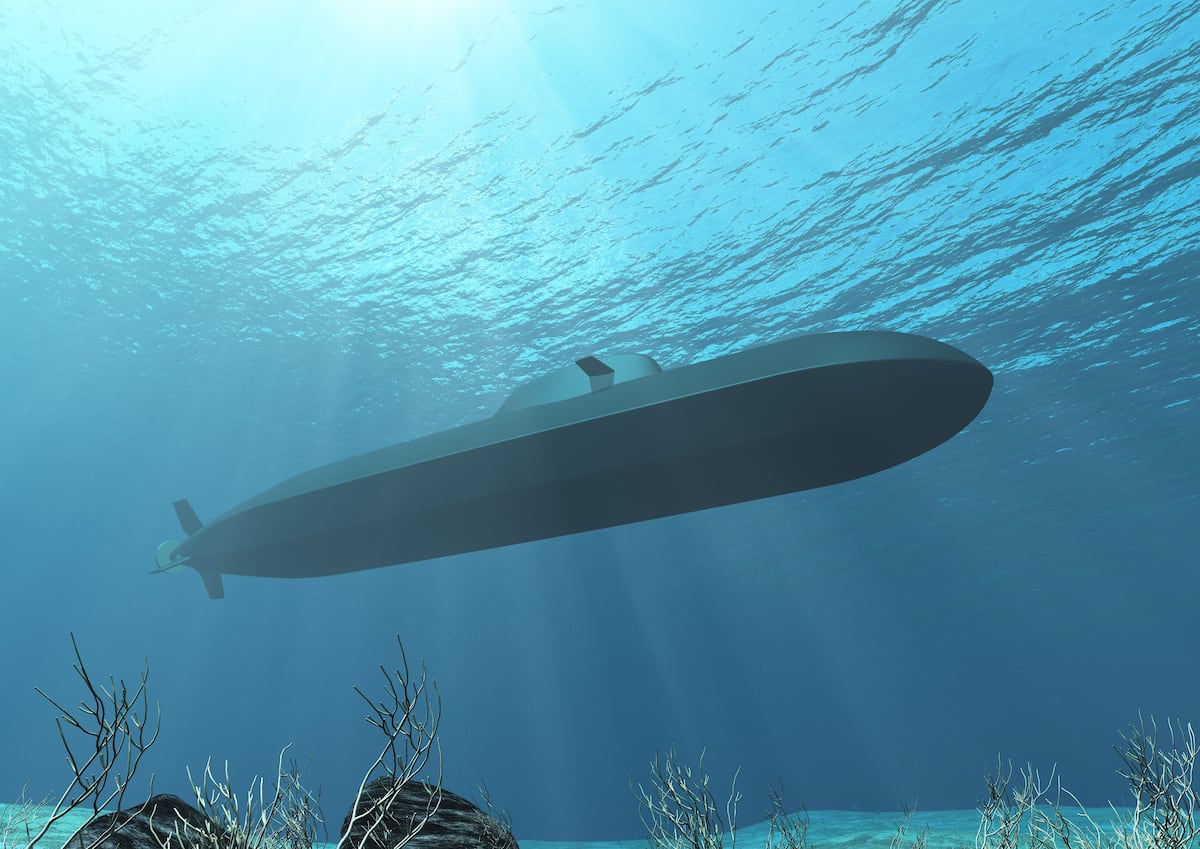
VIENNA — German Defense Minister Boris Pistorius came to Canada’s CANSEC defense exhibition on Wednesday with a message that was as much political as commercial: Buy our submarines, and Germany will have your back.
Standing alongside Canadian Defense Minister David McGuinty in front of a Franco-German helicopter fitted with Canadian engines, Pistorius made an explicit pitch for TKMS’ Type 212CD in Canada’s Canadian Patrol Submarine Project, a contract estimated at up to C$60 billion (US$43.3 billion) and among the largest defense procurement decisions in Canadian history.
“This is a very unique offer,” Pistorius said at a fireside chat hosted by the Canadian Global Affairs Institute. “Canada opting for the 212CD would mean to consistently and sustainably pursue the transatlantic path towards closer integration of our economies.”
The pitch was strikingly direct for a German defense minister. Germany has historically maintained a tradition of restraint in arms exports, with political leaders deliberately keeping a distance from commercial defense sales. That posture is shifting. Pistorius’s appearance at CANSEC was his third visit to Canada as defense minister in three years, and he arrived with an investment package, government-to-government endorsements, and detailed economic figures − a playbook far more reminiscent of France’s state-backed arms export model than Berlin’s traditional approach.
German Defense Minister Boris Pistorius and David McGuinty, Minister of Defense of Canada, give a press conference at the Cansec arms fair in Ottawa on May 27, 2026. (Kay Nietfeld/picture alliance via Getty Images)
Germany and Norway submitted a joint bid for up to 12 Type 212CD submarines in March. In his public remarks, Pistorius cited figures of C$86 billion (US$62 billion) in GDP impact, C$167 billion (US$120.5 billion) in total economic output, and more than 650,000 job-years over the contract period − numbers derived from modeling commissioned by TKMS and the German government.
The German bid faces stiff competition from South Korea’s Hanwha Ocean, whose KSS-III Batch II submarine sailed to Canadian Forces Base Esquimalt in British Columbia last week in a conspicuous show of hardware diplomacy. Pistorius was pointedly dismissive. “We are not in a theater,” he told German journalists. “This is not about showing, it’s about proving experience and technology.”
But he also took the opportunity to remind Canadian listeners that Germany had been instrumental in facilitating Ottawa’s acceptance into the European Union’s SAFE defense financing mechanism.
The German-Norwegian offer attempts to counter South Korea’s main advantage − a pledge to deliver four submarines by 2035 − by reallocating vessels from Germany’s own order pipeline to put four boats in Canadian hands by 2036. Fleet interoperability across NATO’s northern flank is Berlin’s strongest substantive argument: Germany and Norway already operate or are acquiring the 212CD class. Together with Canada, there would be a NATO fleet of 24 such boats, making it “the world’s largest and most modern conventional submarine fleet,” he said.
It would also strengthen Berlin’s emergence as a key NATO player for the Arctic region. Germany previously launched a North Atlantic maritime security partnership with Norway, Canada and Denmark, and Pistorius was the first to disclose on Wednesday that Iceland is on the verge of joining the group as well.
An acquisition decision by the Canadian government is expected by early July, before the NATO summit in Ankara, Pistorius told reporters in German.
Linus Höller is Defense News' Europe correspondent and OSINT investigator. He reports on the arms deals, sanctions, and geopolitics shaping Europe and the world. He holds master’s degrees in WMD nonproliferation, terrorism studies, and international relations, and works in four languages: English, German, Russian, and Spanish.
维也纳——德国国防部长鲍里斯·皮斯托瑞斯周三来到加拿大参加 CANSEC 防务展,他传递的信息既有政治意义也有商业意义:购买我们的潜艇,德国将支持你们。
皮斯托瑞斯站在加拿大国防部长戴维·麦金蒂旁边,在一架装有加拿大发动机的法德联合研制的直升机前,明确力荐TKMS公司的212CD型直升机参与加拿大巡逻潜艇项目。该项目合同金额估计高达600亿加元(433亿美元),是加拿大历史上最大的国防采购决策之一。
皮斯托瑞斯在加拿大全球事务研究所主办的炉边谈话中表示:“这是一个非常独特的提议。加拿大选择加入212CD意味着将持续、可持续地走上跨大西洋经济一体化之路。”
对于一位德国国防部长而言,皮斯托瑞斯的游说措辞异常直接。德国历来在武器出口方面保持克制,政治领导人刻意与商业国防销售保持距离。但这种姿态正在转变。皮斯托瑞斯此次出席加拿大防务展是他三年来第三次以国防部长身份访问加拿大,他带来了一揽子投资计划、两国政府间的合作协议以及详细的经济数据——这套策略与其说是柏林的传统做法,不如说是更接近法国国家支持的武器出口模式。
2026年5月27日,德国国防部长鲍里斯·皮斯托瑞斯和加拿大国防部长戴维·麦金蒂在渥太华举行的Cansec防务展上举行新闻发布会。(图片来源:Kay Nietfeld/picture alliance via Getty Images)
德国和挪威于3月份联合投标,竞标最多12艘212CD型潜艇。皮斯托里乌斯在公开讲话中引用了相关数据,称该项目将对GDP产生860亿加元(620亿美元)的影响,对经济总产出产生1670亿加元(1205亿美元)的影响,并在合同期内创造超过65万个就业年——这些数据来自TKMS和德国政府委托进行的建模。
德国的竞标面临着来自韩国韩华海洋公司的激烈竞争。韩华海洋的KSS-III Batch II型潜艇上周驶往加拿大不列颠哥伦比亚省的埃斯奎马尔特军事基地,此举无疑是一次引人注目的“装备外交”。皮斯托瑞斯对此不屑一顾。“我们不是在演习,”他告诉德国记者,“这不是为了作秀,而是为了证明经验和技术。”
但他还借此机会提醒加拿大听众,德国在促成渥太华加入欧盟安全援助融资机制(SAFE)方面发挥了重要作用。
德挪联合方案试图通过重新分配德国自身订单中的舰艇,在2036年前向加拿大交付四艘潜艇,来对抗韩国的主要优势——韩国承诺在2035年前交付四艘潜艇。柏林方面最有力的实质性论点是北约北翼舰队的互操作性:德国和挪威目前已拥有或正在采购212CD级潜艇。他表示,加上加拿大,北约将拥有24艘此类潜艇,使其成为“世界上规模最大、最现代化的常规潜艇舰队”。
此举还将巩固柏林作为北约北极地区关键参与者的地位。德国此前已与挪威、加拿大和丹麦启动了北大西洋海上安全伙伴关系,而皮斯托瑞斯周三率先透露,冰岛也即将加入该组织。
皮斯托里乌斯用德语告诉记者,加拿大政府预计将在7月初,也就是安卡拉北约峰会之前,做出采购决定。
林努斯·霍勒是《防务新闻》的欧洲记者和开源情报调查员。他报道影响欧洲乃至全球的军火交易、制裁和地缘政治。他拥有大规模杀伤性武器不扩散、恐怖主义研究和国际关系三个硕士学位,并精通英语、德语、俄语和西班牙语四种语言。