Dutch broadcaster tracks carrier-group frigate with Bluetooth gadget荷兰广播公司利用蓝牙设备追踪航母战斗群护卫舰
The MoD has made adjustments in response to the reported incident, including no longer allowing greeting cards with batteries to be sent.
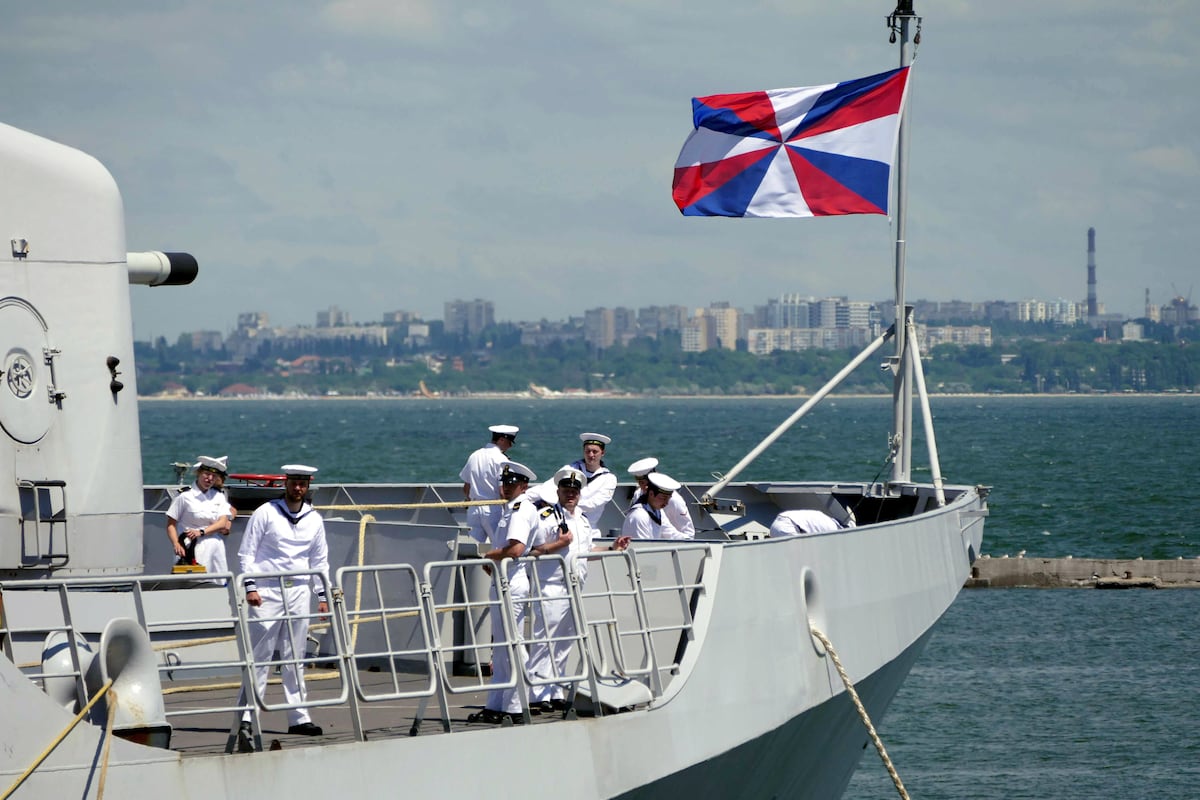
PARIS — Dutch regional broadcaster Omroep Gelderland was able to track the Royal Netherlands Navy air-defense frigate Evertsen in real time by sending a Bluetooth tracker to the ship by military mail. The frigate is part of the carrier strike group around France’s Charles de Gaulle aircraft carrier currently deployed in the Mediterranean Sea.
The tracker was discovered while sorting mail on board, though only after Omroep Gelderland had been tracking the Evertsen for 24 hours, the broadcaster wrote on its website on Thursday . The Dutch Ministry of Defence said it’s taking measures in response, according to the broadcaster.
The tracker incident comes after a Le Monde reported in March it was able to locate a French officer taking a 7-kilometer run around the deck of the Charles de Gaulle while the carrier was at sea, through data from the officer’s connected watch via the running and cycling app Strava.
“You do want to be able to intercept such a tracker,” Rowin Jansen, assistant professor of national security law at Radboud University in Nijmegen, told Omroep Gelderland. “Commercial satellite images are currently released with a delay for good reason. You certainly don’t want to make it easy for terrorists to send a similar package and track a ship’s location in real time. You then run the risk of having missiles fired at you.”
The broadcaster described sending the Bluetooth tracker, a gadget used for example to find keys, to the frigate in an envelope using the military postal service, following online instructions from the MoD on how to send mail to military personnel.
While the ministry checks whether prohibited or dangerous items are sent by mail by X-ray scanning packages, Omroep Gelderland noted that online videos showed envelops not being scanned, so decided to pack the tracker in a postcard, with the gadget going undetected and simply mailed.
“In a large-scale conflict, everyone needs to ask themselves: What can I contribute to the safety of our men and women?” said retired Lt. Gen. Mart de Kruif, as cited by the broadcaster. “So you should no longer rely on existing rules, but on what is necessary. We’re still a bit naive, and that mindset needs to change.”
Omroep Gelderland mapped the route of the tracker from the Dutch naval base in Den Helder to Eindhoven Airport, and then on to the port of Heraklion in Crete, where webcam images showed the Evertsen moored at the quay.
With the frigate departing the port on March 27, the broadcaster said it was able to track the vessel sailing west along the coast of Crete before setting an eastward course. The tracker then went permanently offline 24 hours later near Cyprus, it said.
The MoD has made adjustments in response to the reported incident, including no longer allowing greeting cards with batteries to be sent to the Evertsen, and the ministry will further review the guidelines for military mail, a spokesperson told Omroep Gelderland.
The tracker was found during mail sorting aboard the frigate after it set sail, and while the vessel could be tracked at sea, this would not have posed an operational risk, according to the MoD.
Defence Minister Dilan Yeşilgöz informed parliament about the incident on Thursday evening, Omroep Gelderland said.
Rudy Ruitenberg is a Europe correspondent for Defense News. He started his career at Bloomberg News and has experience reporting on technology, commodity markets and politics.
巴黎——荷兰地方广播公司Omroep Gelderland通过军用邮件向荷兰皇家海军防空护卫舰“埃弗森”号寄送了一个蓝牙追踪器,从而实现了对该舰的实时追踪。这艘护卫舰隶属于目前部署在地中海的法国“戴高乐”号航空母舰航母打击群。
据荷兰广播公司Omroep Gelderland周四在其网站上报道,追踪器是在船上分拣邮件时发现的,但此前该公司已追踪“埃弗森”号24小时。荷兰国防部表示,他们正在采取应对措施。
在这次追踪器事件发生之前,《世界报》在 3 月份报道称,他们通过跑步和骑行应用程序 Strava,从一名法国军官佩戴的智能手表上获取的数据,定位到这名军官在“戴高乐”号航母航行期间,在甲板上进行了 7 公里的跑步。
“你肯定希望能够拦截这样的追踪器,”奈梅亨拉德布德大学国家安全法助理教授罗温·詹森告诉海尔德兰广播公司。“商业卫星图像目前发布存在延迟是有充分理由的。你当然不希望恐怖分子轻易地发送类似的包裹,并实时追踪船只的位置。那样的话,你就有可能遭到导弹袭击。”
该广播员描述了如何按照英国国防部提供的在线说明,通过军方邮政服务,将蓝牙追踪器(一种用于寻找钥匙等的小工具)装在信封里寄往护卫舰。
虽然该部门会通过 X 光扫描包裹来检查邮件中是否寄送违禁品或危险物品,但 Omroep Gelderland 注意到网上的视频显示信封没有被扫描,因此决定将追踪器装在明信片里,这样追踪器就不会被发现,可以直接寄出。
据广播公司报道,退役中将马特·德·克鲁伊夫表示:“在大规模冲突中,每个人都需要扪心自问:我能为我们官兵的安全做出什么贡献?因此,我们不应再依赖现有的规则,而应关注真正必要的措施。我们仍然有些天真,这种思维方式需要改变。”
Omroep Gelderland 绘制了追踪器的路线图,从荷兰登海尔德海军基地到埃因霍温机场,然后到克里特岛伊拉克利翁港,网络摄像头图像显示埃弗森号停泊在码头上。
据该广播公司称,这艘护卫舰于3月27日离开港口,他们追踪到该舰沿克里特岛海岸向西航行,之后转向东行。该公司还表示,24小时后,在塞浦路斯附近海域,追踪信号永久中断。
国防部发言人告诉海尔德兰广播公司,国防部已针对报道的事件做出调整,包括不再允许向埃弗森医院寄送带有电池的贺卡,国防部还将进一步审查军邮的指导方针。
据英国国防部称,该追踪器是在护卫舰启航后进行邮件分拣时发现的,虽然可以在海上追踪该舰,但这不会构成行动风险。
据海尔德兰广播公司报道,国防部长迪兰·耶希尔戈兹于周四晚间向议会通报了这起事件。
鲁迪·鲁伊滕贝格是《防务新闻》的欧洲记者。他的职业生涯始于彭博新闻社,拥有报道科技、大宗商品市场和政治方面的经验。