Germany sees Puma combat vehicles as great but too iffy for war德国认为“美洲狮”战车性能优异,但对于战争而言仍存在诸多不确定因素。
Defense leaders want more studies and meetings to make the infantry fighting vehicle robust and reliable.
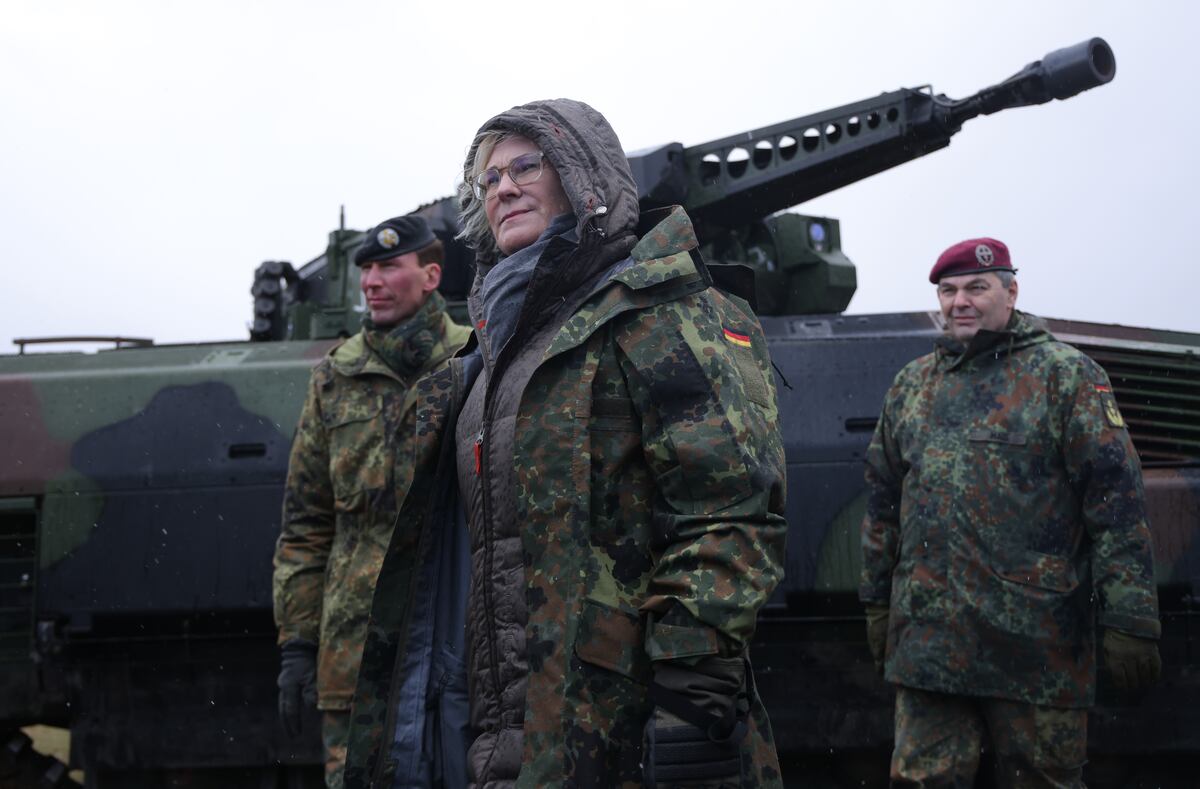
WASHINGTON — Germany’s Puma infantry fighting vehicles feature superior capabilities but are too prone to failure for actual operations, according to an initial assessment from defense officials over recent breakdowns in the fleet.
The brief statement released Jan. 4 caps weeks of intense debate in Germany about the future of the program after Der Spiegel reported in December that all of the 18 vehicles used during an exercise experienced outages .
The drill was meant as a final checkup before including the Pumas as an integral part in Germany’s contribution for NATO’s high-readiness force pool, led by Berlin in the 2023 rotation. Following reports of the Puma’s last-minute problems, officials quickly designated the Bundeswehr’s decades-old Marder vehicles as replacements.
According to the Defence Ministry, the highly digitized Puma is still a superior weapon “in principle.” But its proper functioning is too dependent on the closely interlinked collaboration of soldiers, logisticians, project managers and industry — conditions unlikely to be optimal on the battlefield.
Officials said they would invite top representatives of the Army, industry and the acquisition bureaucracy to a “near-term” meeting aimed at hammering out improved usability conditions for the vehicles. Barring effective measures to that effect, Defence Minister Christine Lambrecht froze plans for new upgrade contracts and a second lot of 50 new vehicles from manufacturers Rheinmetall and Krauss-Maffei Wegmann.
Germany’s armed forces, the Bundeswehr, have 350 Puma vehicles in their inventory, 42 of which are in an upgraded configuration meant for NATO’s high-readiness service.
Industry officials were able to fix 17 of the 18 vehicles affected by the recent exercise failures. Analyses so far paint a picture of damage “mostly” of small and medium severity, according to the Defence Ministry. But there were also more significant problems related to “high-value parts” and fire damage that happened inside a vehicle.
A Rheinmetall spokesman previously described the extent of the damage as “bagatellen,” or trivial, in most cases, German press agency dpa reported Jan. 2.
Sebastian Sprenger is associate editor for Europe at Defense News, reporting on the state of the defense market in the region, and on U.S.-Europe cooperation and multi-national investments in defense and global security. Previously he served as managing editor for Defense News. He is based in Cologne, Germany.
华盛顿——据国防官员对近期德国“美洲狮”步兵战车车队故障情况的初步评估,德国的“美洲狮”步兵战车虽然性能优异,但故障率太高,不适合实际作战。
1 月 4 日发布的这份简短声明结束了德国数周以来关于该计划未来的激烈辩论。此前,《明镜周刊》在 12 月报道称,在一次演习中使用的 18 辆车辆全部出现故障。
此次演习旨在对“美洲狮”装甲车进行最终检验,确保其能够正式成为德国向北约高战备部队(由柏林领导,参与2023年轮换)贡献的重要组成部分。然而,在“美洲狮”装甲车出现故障的报道出现后,官员们迅速指定德国联邦国防军服役数十年的“黄鼠狼”装甲车作为替代方案。
据国防部称,高度数字化的“美洲狮”装甲车“原则上”仍然是一种优越的武器。但它的正常运作过于依赖士兵、后勤人员、项目经理和工业界之间紧密的协作——而这种条件在战场上不太可能达到最佳状态。
官员们表示,他们将邀请陆军、工业界和采购部门的高级代表参加一次“近期”会议,旨在敲定改进车辆可用性的方案。如果不能采取有效措施,国防部长克里斯蒂娜·兰布雷希特将冻结新的升级合同以及从莱茵金属和克劳斯-玛菲·韦格曼公司采购第二批50辆新车的计划。
德国联邦国防军拥有 350 辆 Puma 装甲车,其中 42 辆是为北约高战备部队升级配置的。
行业官员已修复了近期演习事故中受影响的18辆车中的17辆。国防部表示,目前的分析显示,损坏程度“大多”为轻度至中度。但也存在一些更严重的问题,例如“高价值部件”损坏以及车辆内部发生的火灾。
据德国新闻社 dpa 1 月 2 日报道,莱茵金属公司的一位发言人此前曾将损失程度描述为“bagatellen”,在大多数情况下是微不足道的。
塞巴斯蒂安·斯普伦格是《防务新闻》欧洲版副主编,负责报道该地区的防务市场状况,以及美欧在防务和全球安全领域的合作和多国投资。此前,他曾担任《防务新闻》执行主编。他现居德国科隆。