EU naval mission will now intercept Russian shadow tankers in the Indian Ocean欧盟海军部队将在印度洋拦截俄罗斯的影子油轮。
The EU has authorized its naval mission in the Indian Ocean to stop and board Russian shadow fleet tankers suspected of operating under false flags.
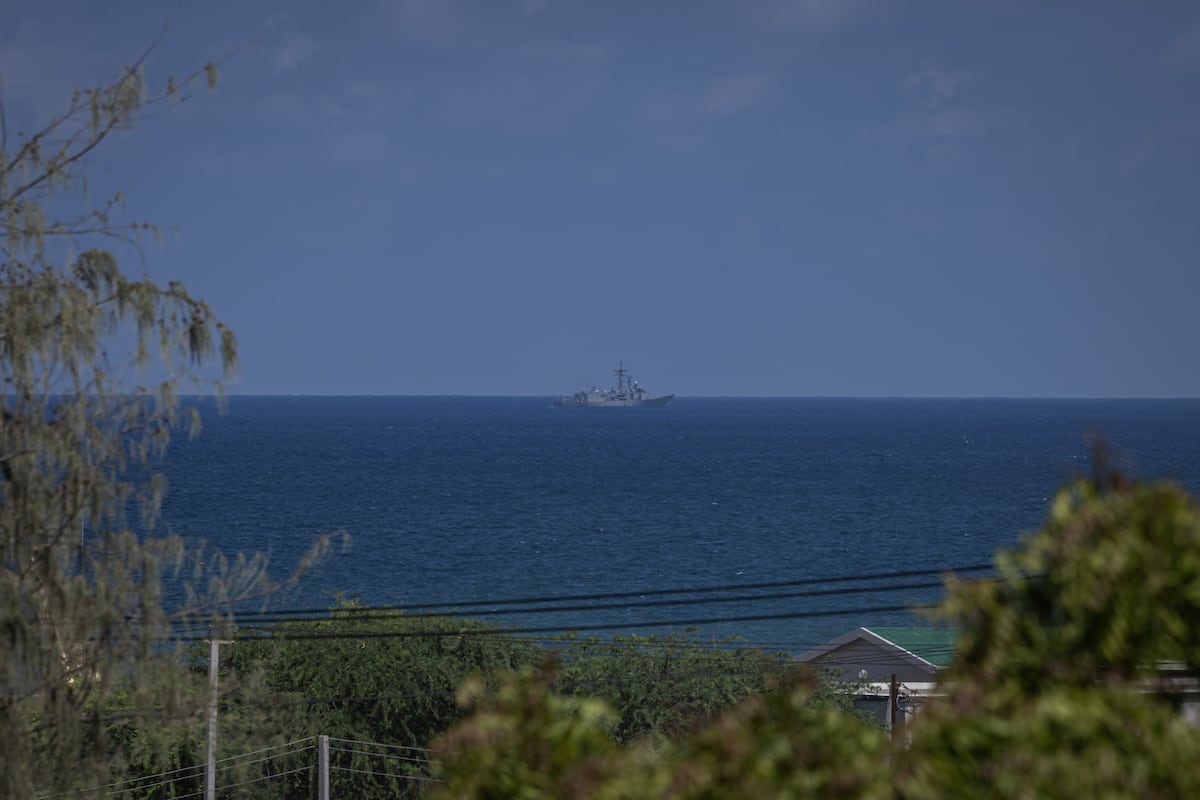
VIENNA — The European Union has authorized its naval mission in the Indian Ocean to stop and board Russian shadow fleet tankers suspected of operating under false flags, the bloc announced on Wednesday.
EU member states have authorized Operation Atalanta, the union’s counter-piracy naval mission off the Horn of Africa, to begin conducting flag-verification boardings of vessels suspected of belonging to Russia’s shadow fleet in the western Indian Ocean. The decision, announced this week by EU foreign policy chief Kaja Kallas, extends to Atalanta a power already exercised by the EU’s Mediterranean mission, Operation Irini.
Kallas made the announcement alongside news that Irini forces had boarded the sanctioned oil tanker MV South Star on July 20, acting on suspicion that the vessel was sailing under a false flag. “Every illicit voyage helps sustain Russia’s war machine. We are matching our sanctions with action at sea,” Kallas said, adding that the Atalanta authorization “further tightens the net.”
The move considerably widens the EU’s geographic reach against the shadow fleet, a loosely defined network of tankers with opaque ownership structures that Moscow uses to sell oil above the Western-imposed price cap. While Irini patrols the Mediterranean, Atalanta operates across the Somali Basin, the Gulf of Aden, the Red Sea, the Gulf of Suez, the Gulf of Aqaba and waters around Oman, and was launched as the EU’s first-ever naval mission in 2008 to combat piracy.
It is separate from the EU mission ASPIDES, which is designed to protect shipping in the Red Sea from attacks by the Iran-backed Yemeni Houthi rebels.
The corridor where the mission operates is a critical transit route for tankers carrying Russian crude toward buyers in Asia. Brussels has already sanctioned more than 600 vessels suspected of belonging to the network.
Generally, ships on the high seas cannot simply be stopped and boarded by any third country. However, Article 110 of the UN Convention on the Law of the Sea permits warships to stop and inspect a vessel only where there is reasonable suspicion it is stateless or flying a flag to which it is not entitled. This falls short of a blanket authority to stop any sanctioned or Russia-linked ship, but flying false flags has been a frequent practice on Russian shadow fleet vessels.
The council decision, the operational plan and the rules of engagement that would spell out exactly how far Atalanta’s new powers extend have so far not been made public.
The approach has already produced results elsewhere. Irini’s flag checks contributed to pressure that culminated in a Cameroon purge of 39 vessels from its shipping registry after investigators uncovered fraudulent paperwork and fake registry websites used to disguise shadow fleet tankers.
Russian President Vladimir Putin has previously denounced such interceptions as “piracy,” underscoring how the expanded mandate is likely to further sharpen tensions between Brussels and Moscow over enforcement at sea.
Linus Höller is Defense News' Europe correspondent and OSINT investigator. He reports on the arms deals, sanctions, and geopolitics shaping Europe and the world. He holds master’s degrees in WMD nonproliferation, terrorism studies, and international relations, and works in four languages: English, German, Russian, and Spanish.
维也纳——欧盟周三宣布,已授权其在印度洋的海军部队拦截并登船检查涉嫌悬挂假旗的俄罗斯影子舰队油轮。
欧盟成员国已授权“阿塔兰塔行动”(Operation Atalanta)——欧盟在非洲之角附近海域开展的反海盗海上行动——开始在西印度洋对疑似隶属于俄罗斯影子舰队的船只进行船旗国核查登船检查。欧盟外交政策负责人卡娅·卡拉斯本周宣布了这项决定,该决定将欧盟在地中海开展的“伊里尼行动”(Operation Irini)已拥有的权力扩展至“阿塔兰塔行动”。
卡拉斯在宣布这一消息的同时,也公布了伊里尼部队于7月20日登上受制裁油轮“南星”号的消息。伊里尼部队此举是怀疑该船悬挂假国旗。卡拉斯表示:“每一次非法航行都在助长俄罗斯的战争机器。我们正在以海上行动来配合制裁。”他还补充说,授权“亚特兰大”号“进一步收紧了制裁网”。
此举大大扩大了欧盟打击“影子舰队”的地理范围。“影子舰队”是一个定义松散的油轮网络,其所有权结构不透明,莫斯科利用该网络以高于西方设定的价格上限出售石油。伊里尼号巡逻地中海,“阿塔兰塔号”则在索马里盆地、亚丁湾、红海、苏伊士湾、亚喀巴湾和阿曼周边海域活动。该舰于2008年作为欧盟首个打击海盗的海上行动而启动。
它与欧盟的 ASPIDES 任务是分开的,ASPIDES 旨在保护红海航运免受伊朗支持的也门胡塞武装的袭击。
该行动区域是俄罗斯原油运往亚洲买家的油轮的重要过境通道。布鲁塞尔方面已对600多艘涉嫌参与该网络活动的船只实施制裁。
通常情况下,任何第三国都不能随意拦截和登船检查公海上的船舶。然而,《联合国海洋法公约》第110条允许军舰在有合理理由怀疑船舶为无国籍船舶或悬挂其无权使用的国旗时,才能拦截和检查该船舶。这并非赋予军舰拦截任何受制裁或与俄罗斯有关联的船舶的普遍权力,但悬挂假国旗一直是俄罗斯影子舰队船舶的常见做法。
到目前为止,理事会的决定、行动计划以及明确亚特兰大新权力范围的交战规则尚未公开。
这种方法已经在其他地方取得了成效。伊里尼的船旗检查促使喀麦隆方面施加压力,最终导致喀麦隆从其船舶登记册中清除了39艘船舶。此前,调查人员发现了用于掩盖影子船队油轮的欺诈性文件和虚假登记网站。
俄罗斯总统弗拉基米尔·普京此前曾谴责此类拦截行为是“海盗行为”,这凸显了扩大授权范围可能会进一步加剧布鲁塞尔和莫斯科之间在海上执法方面的紧张关系。
林努斯·霍勒是《防务新闻》的欧洲记者和开源情报调查员。他报道影响欧洲乃至全球的军火交易、制裁和地缘政治。他拥有大规模杀伤性武器不扩散、恐怖主义研究和国际关系三个硕士学位,并精通英语、德语、俄语和西班牙语四种语言。