From 2016 to 2025, performance bonus for political office holders ranged from 2.5 to 6 months2016年至2025年,政治官员的绩效奖金期限为2.5至6个月不等。
During the same period, the National Bonus ranged from 0.75 to 5.63 months. Read more at straitstimes.com.
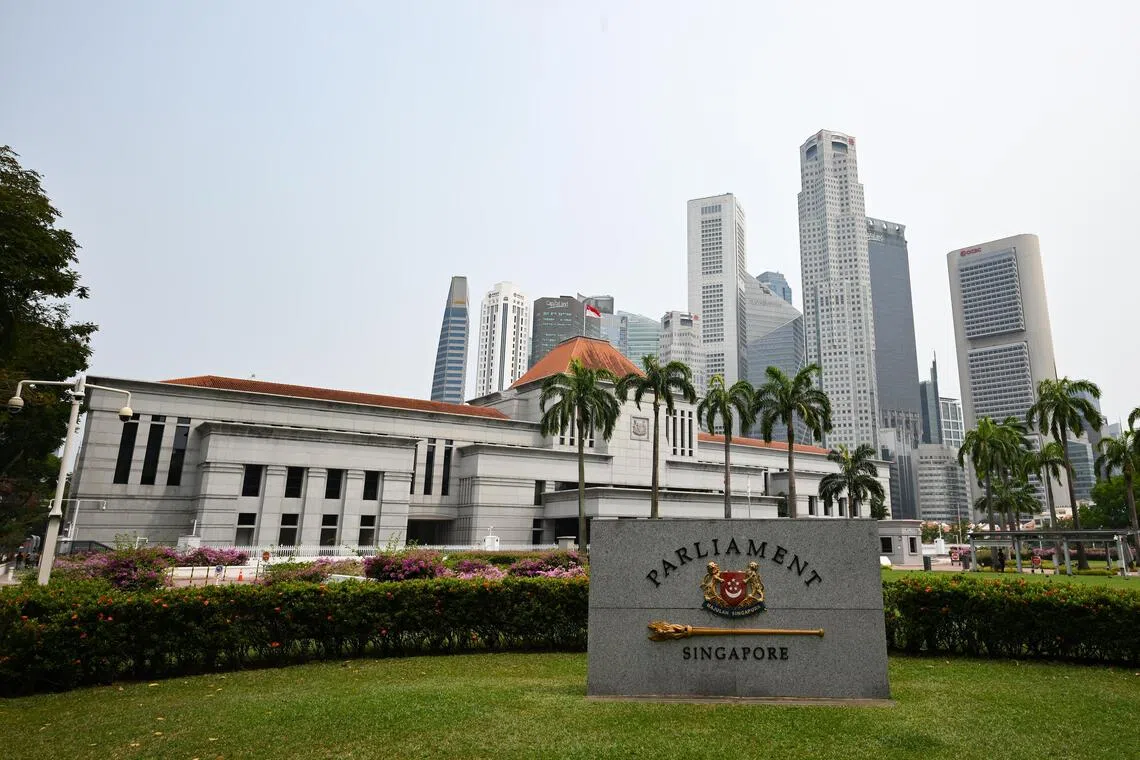
The National Bonus ranged from 0.75 to 5.63 months between 2016 and 2025.
ST PHOTO: LIM YAOHUI
Published Oct 06, 2026, 09:32 PM
Updated Oct 06, 2026, 09:32 PM
The individual performance bonus for political office holders ranged from 2.5 to 6 months' salary between 2016 and 2025, while the National Bonus varied from 0.75 to 5.63 months.
Political salaries include fixed pay, a 13th-month allowance, annual variable components, National Bonus, and individual performance bonus.
The Government set salaries based on experience and previous pay, often resulting in comparable or lower salaries upon entering politics.
SINGAPORE - The individual performance bonus awarded to political office holders ranged between 2.5 and 6 months of salary over the period from 2016 and 2025 , said Coordinating Minister for Public Services Chan Chun Sing.
During the same period, the National Bonus ranged from 0.75 to 5.63 months, he said in response to WP MP He Ting Ru (Sengkang GRC), who sought details of the the annual remuneration of political office holders.
Her question comes after Parliament debated increases to political salaries in September, with the variable portions of ministerial pay among the topics of discussion.
In his reply on Oct 6, Chan noted that the annual remuneration of all political appointment holders comprises the fixed monthly pay, the 13th month non-pensionable annual allowance, the annual variable component, the national bonus and the individual performance bonus.
He said the amount of performance bonus awarded depends on the Prime Minister’s assessment of each office holder’s performance.
On the National Bonus, Chan said this is determined by national socio-economic outcomes and ranges from zero to six months.
The National Bonus is linked to four national indicators: unemployment rate, real income growth for the 20th-percentile Singaporean earner and for the median Singapore citizen, as well as real gross domestic product growth.
During the September debate, Chan said the Government will tighten the targets for the three socioeconomic indicators.
On Oct 6, he noted that the non-pensionable annual allowance is one month of salary, while the annual variable component is typically about one month and follows the amount received by the general civil service.
The Public Service Division announces the annual variable component twice a year.
Chan said that between 2016 and 2025, the reference monthly salary for a minister at the entry-level MR4 grade was $55,000. The minimum and maximum salary points was set at 85 and 110 per cent of this monthly salary in accordance with the salary framework.
The minimum and maximum monthly salary of office holders at other grades can similarly be derived from the 2012 white paper on political salaries, he added.
Taken together, Chan said the various components provide a clear indication of the remuneration levels and ranges of political appointment holders.
“Going forward, the Government will consider how best to disclose more information on the remuneration of political appointment holders,” said Chan.
WP chief Pritam Singh had asked during the September debate for the actual total remuneration received by ministers at the entry-level MR4 grade, including the maximum bonus allowed under the salary framework.
Prime Minister Lawrence Wong said then that he intends to look at how to provide more information on the distribution of salaries and performance bonuses among ministers, given the interest in the topic.
For the October sitting, Singh asked for data related to newly-appointed political office holders over the years, including information on their change in their salary before and after their appointment.
Replying, Chan said the Government does not systematically collect or maintain the statistics requested.
He added that where a new office holder is placed within the relevant salary range will take into account factors such as the individual’s experience, responsibilities and previous remuneration.
“The Government does not seek to attract individuals into politics by offering them higher salaries than they were previously earning,” Chan said.
“Where an individual is suitable for political office, our general approach is to appoint them to a role appropriate to their experience and capabilities, and emplace them at a salary point broadly comparable to, or even below, their previous remuneration. Quite a few have taken pay reductions upon entering political office.”
Singapore Parliament
Public Service Division
2016 年至 2025 年间,国家奖金的金额在 0.75 个月到 5.63 个月之间。
ST 照片:林耀辉
发布于 2026 年 10 月 6 日晚上 9:32
更新于2026年10月6日晚上9:32
2016 年至 2025 年间,政治官员的个人绩效奖金为 2.5 至 6 个月的工资,而国家奖金为 0.75 至 5.63 个月的工资。
政治人物的薪酬包括固定工资、第 13 个月津贴、年度浮动部分、国家奖金和个人绩效奖金。
政府根据经验和以往的薪酬设定薪资,这往往导致从政后的薪资与从政前持平或更低。
新加坡——公共服务统筹部长陈振声表示,2016年至2025年期间,政治官员获得的个人绩效奖金相当于2.5至6个月的工资。
他回应工人党议员何廷儒(盛港集选区)关于政治官员年度薪酬详情的询问时表示,同期国家奖金的金额在 0.75 个月到 5.63 个月之间。
在她提出这个问题之前,议会曾在9月份就提高政治人物薪酬的问题进行过辩论,部长薪酬中的浮动部分也是讨论的话题之一。
陈先生在10月6日的答复中指出,所有政治任命人员的年度薪酬包括固定月薪、第13个月非养老金年度津贴、年度浮动部分、国家奖金和个人绩效奖金。
他表示,绩效奖金的数额取决于总理对每位官员绩效的评估。
关于国民奖金,陈表示,这取决于国家社会经济成果,奖金发放期限为零到六个月。
国民奖金与四个国家指标挂钩:失业率、新加坡收入处于第 20 百分位人群和新加坡公民收入中位数人群的实际收入增长,以及实际国内生产总值增长。
在9月份的辩论中,陈表示政府将收紧三项社会经济指标的目标。
10 月 6 日,他指出,非养老金年度津贴为一个月的工资,而年度可变部分通常约为一个月工资,并遵循一般公务员所领取的金额。
公共服务部门每年两次公布年度可变部分。
陈先生表示,2016年至2025年间,部长级(MR4级)的参考月薪为55,000美元。根据薪酬框架,最低和最高薪级点分别设定为该月薪的85%和110%。
他还补充说,其他级别官员的最低和最高月薪也可以类似地从 2012 年政治薪酬白皮书中得出。
陈先生表示,综合来看,各个组成部分可以清楚地表明政治任命官员的薪酬水平和范围。
陈先生表示:“今后,政府将考虑如何更好地披露有关政治任命官员薪酬的更多信息。”
工人党主席毕丹星在9月份的辩论中要求提供MR4级部长实际获得的总薪酬,包括薪酬框架允许的最高奖金。
黄循财总理当时表示,鉴于公众对薪酬和绩效奖金分配问题的关注,他打算研究如何提供更多信息。
在 10 月份的会议上,辛格要求提供与历年来新任命的政治官员相关的数据,包括他们在任命前后薪资变化的信息。
陈先生回应说,政府并没有系统地收集或保存所要求的统计数据。
他还补充说,新任官员在相关薪资范围内的薪资位置将考虑个人的经验、职责和以往的薪酬等因素。
陈先生表示:“政府不会通过提供比以往更高的薪水来吸引人们投身政界。”
“对于适合担任政治职务的人,我们的一般做法是任命他们担任与其经验和能力相符的职位,并确定其薪酬水平大致与其之前的薪酬相当,甚至更低。不少人在进入政界后都接受了降薪。”
新加坡国会
公共服务部