Check Out This Vintage Mystery Navigation Screen In The Conn Of A Sturgeon Class Nuke Sub来看看这艘鲟鱼级核潜艇驾驶室内的复古神秘导航屏幕
The system in question was clearly very advanced for its time and appears similar to the unique navigation system in A-6 Intruders from the same era.
新闻视频
Updated Dec 1, 2019 7:05 AM EST
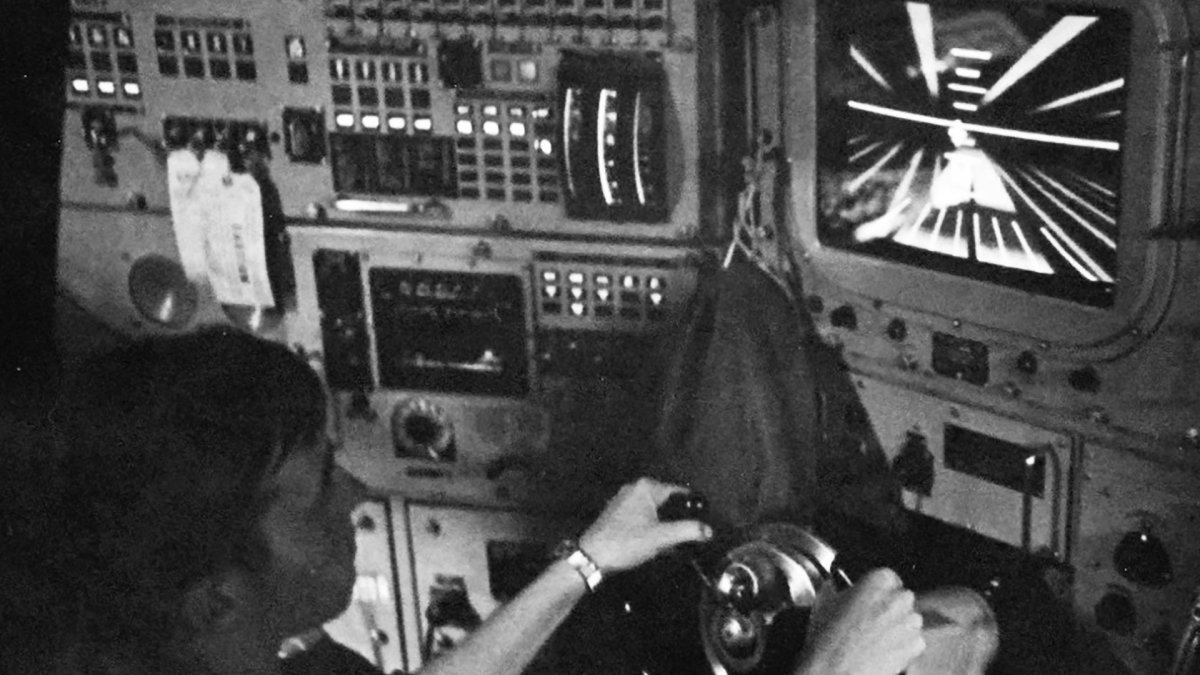
When it comes to military hardware, especially of the sensitive underwater kind, once in a while a photo will pop up that shows something that you never knew existed. That was the case yesterday when Eric Moreno, founder of the popular Reddit page r/submarines , posted a picture on his Twitter account showing what appears to be a CRT navigational director display mounted in front of a conn position on the Sturgeon class nuclear fast attack submarine USS Queenfish (SSN-561) . Supposedly, the photo was taken during an ICEX mission in 1970.
After seeing the photo, I asked a few of my submariner sources about it, thinking it is probably a known system that was tested or even deployed for a period of time before. That was not the response I got, none of them had ever heard of it before.
The system looks remarkably similar to the navigational display found in Grumman A-6 Intruders from the same era. That display, which was absolutely cutting-edge at the time, tied directly to the A-6’s Digital Integrated Attack Navigation Equipment (DIANE) computer system that allowed A-6 crews to make precision bombing runs during the night and in horrible weather and to navigate to and strike their targets at low-level with the aid of terrain following radar.
DIANE and other sensors and systems on the Intruder were tired to the screen, called the Vertical Display Indicator, which acted as a primary flight instrument of the pilot. The screen worked in a similar manner as modern electronic flight instrumentation systems (EFIS) with synthetic vision , but in a far cruder and self-contained manner. It could show the horizon, sky, terrain, as well as the aircraft’s altitude, angle of attack, vertical speed, and heading. A flight director was overlaid for navigation and precision bombing at night and in bad weather guided by DIANE. The display looked positively sci-fi for its time and the likeness to what we see on the CRT monitor mounted on the conn of Queenfish is very intriguing.
Vertical Display Indicator screens on different modes in the Intruder., Public Domain
It doesn’t take all that much creativity to realize that such a system may have looked very appealing to submariners navigating the depths with no view of the outside world. In fact, maybe the Navy ported over some of the same technology from the A-6 and tied it into the submarine’s complex inertial navigation system (INS), sonar, and other sensors.
The conn section from USS Sturgeon on display at the National Submarine Museum in Groton, Connecticut (The central monitor was added as part of the interactive display) , Philwong5176/wikicommons
Whatever the story was behind this display, which looks like it belongs in an X-Wing more than a submarine from the 1960s, it had to have been leading class technology at the time. In fact, it was probably so advanced that it wasn’t even effective as we didn’t see digital conn instruments on American submarines until decades later.
Even the Los Angeles class boats that followed the Sturgeon class had analog conn instrumentation. , USN
It wasn’t until the Seawolf class of the 1990s that digital conn instruments would be standard class-wide. Today, the Virginia class that is currently in production has a conn that looks more like it’s installed in a starship than in a submarine.
The conn aborad USS Jimmy Carter , the modified Seawolf class submarine that serves as America’s primary spy and espionage sub., USN
Diverging greatly from any past design, the Virginia class jettisons the classic yoke control wheel and the vertical wall of instruments that were staples of past submarine conn stations for a pair of joysticks and a partial cocoon of angled flat panel displays. Another great photo of what this layout looks like can be seen by clicking here .
The futuristic conn aboard USS New Mexico (SSN-779). , USN
Clearly, this navigation screen mounted in USS Queenfish’s conn was way ahead of its time. Eventually the ability to process and display a slew of positioning and navigational data for sailors driving multi-billion dollar nuclear submarines would become a reality, but considering that the picture in question was supposedly shot nearly 50 years ago, it would be great to know more about just how ambitious the system shown actually was and where it came from in the first place.
If anything else, the photo is another stark reminder that America’s murky undersea warfare history still has plenty of secrets to give up.
USS Queenfish at the North Pole in August of 1970., USN
We have solved this mystery! The person who solved it is our own AncientSubHuntr, The War Zone discussion area’s resident anti-submarine warfare brain trust. According to AncientSubHuntr, here is what this system was, and of course it has a colorful past!:
The unexpected snap roll experienced with the leading edge technology presented by the revolutionary USS Albacore (AGSS-569) hull, among other control issues never encountered by submariners, encouraged the USN to develop and evolve a submarine control room philosophy that met these challenges. With the advent of the nuclear submarine, the incredible sustained speeds added encouragement! The overall integration of the “faster” sonar sensors, weapons and processors with a new control philosophy was developed by Electric Boat in the late 1950s….and it was digital !! SUBIC, or SUBmarine Integrated Control, was the overall program which combined these aspects of the submarine as a modern, hydrodynamic and nuclear powered weapon system. One evolutionary appendage of SUBIC was this visual aid to the helmsman called CONALOG (CONtact AnaLOG). CONALOG was part of the Fast-Reaction Submarine Control (FRISCO) system providing the planesman/helmsman with a “path to follow, in the form of a synthetic highway in the sea, on a CRT (the video mixer of which could also display sonar and radar information).” Installed on the USS Shark (SSN-591) in 1961 and subsequently on USS Thresher , Permit and the Sturgeon class SSNs and the Benjamin Franklin class of SSBNs, the submariners quickly grew to hate it!” One former submarine CO recalled that it tended to put watch-standers to sleep”…LOFL! It was so despised, they specifically excluded it from the Los Angeles class SSN design.
The unexpected snap roll experienced with the leading edge technology presented by the revolutionary USS Albacore (AGSS-569) hull, among other control issues never encountered by submariners, encouraged the USN to develop and evolve a submarine control room philosophy that met these challenges. With the advent of the nuclear submarine, the incredible sustained speeds added encouragement!
The overall integration of the “faster” sonar sensors, weapons and processors with a new control philosophy was developed by Electric Boat in the late 1950s….and it was digital !! SUBIC, or SUBmarine Integrated Control, was the overall program which combined these aspects of the submarine as a modern, hydrodynamic and nuclear powered weapon system.
One evolutionary appendage of SUBIC was this visual aid to the helmsman called CONALOG (CONtact AnaLOG). CONALOG was part of the Fast-Reaction Submarine Control (FRISCO) system providing the planesman/helmsman with a “path to follow, in the form of a synthetic highway in the sea, on a CRT (the video mixer of which could also display sonar and radar information).”
Installed on the USS Shark (SSN-591) in 1961 and subsequently on USS Thresher , Permit and the Sturgeon class SSNs and the Benjamin Franklin class of SSBNs, the submariners quickly grew to hate it!”
One former submarine CO recalled that it tended to put watch-standers to sleep”…LOFL!
It was so despised, they specifically excluded it from the Los Angeles class SSN design.
AncientSubHuntr also notes that CONALOG made a cameo appearance in Ice Station Zebra , you can see it at the 25-second mark in the clip below:
Contact the author: Tyler@thedrive.com
Comments couldn’t be loaded. Please refresh the page.
更新于美国东部时间2019年12月1日上午7:05
谈到军事装备,尤其是那些精密的水下装备,偶尔会出现一些照片,展示一些你从未见过的东西。昨天就发生了这样一件事:Reddit热门版块r/submarines的创始人埃里克·莫雷诺在他的推特账号上发布了一张照片,照片显示,在鲟鱼级核动力快速攻击潜艇“皇后鱼”号(SSN-561)的驾驶舱前方,似乎安装了一个CRT导航指挥显示器。据称,这张照片拍摄于1970年的一次ICEX任务期间。
看到照片后,我向几位潜艇兵消息人士询问此事,心想这很可能是一个已知的系统,之前可能已经测试过甚至部署过一段时间。但得到的答复却并非如此,他们都表示从未听说过。
这套系统看起来与同时期格鲁曼A-6“入侵者”攻击机上的导航显示器极为相似。当时的A-6显示器堪称尖端科技,它与A-6的数字集成攻击导航设备(DIANE)计算机系统直接相连,使A-6机组人员能够在夜间和恶劣天气下进行精确轰炸,并借助地形跟踪雷达低空导航攻击目标。
“入侵者”轰炸机上的DIANE和其他传感器及系统都连接到一个名为“垂直显示指示器”(Vertical Display Indicator)的屏幕上,该屏幕是飞行员的主要飞行仪表。它的工作原理与现代的电子飞行仪表系统(EFIS)类似,都采用了合成视觉技术,但当时的显示方式要原始得多,也更加独立。它可以显示地平线、天空、地形,以及飞机的飞行高度、迎角、垂直速度和航向。在DIANE的引导下,飞行指引仪会叠加在屏幕上,用于夜间和恶劣天气下的导航和精确轰炸。在当时,这套显示系统看起来简直像科幻小说里的画面,它与我们今天在“皇后鱼”轰炸机驾驶舱内看到的CRT显示器非常相似,这着实令人着迷。
Intruder 不同模式下的垂直显示指示器屏幕。(公共领域)
不难想象,对于在深海航行、与世隔绝的潜艇兵来说,这样的系统或许极具吸引力。事实上,海军可能正是从A-6攻击机上移植了部分技术,并将其整合到潜艇复杂的惯性导航系统(INS)、声呐和其他传感器中。
康涅狄格州格罗顿国家潜艇博物馆展出的“鲟鱼”号潜艇驾驶舱部分(中央显示器是作为互动展示的一部分添加的),图片来自 Philwong5176/wikicommons
无论这套显示屏背后的故事是什么(它看起来更像是X翼战机的装备,而不是20世纪60年代潜艇上的),它在当时都代表了顶尖技术。事实上,它可能过于先进,以至于未能真正发挥作用,因为直到几十年后,我们才在美国潜艇上看到数字导航仪器。
即使是紧随鲟鱼级之后的洛杉矶级潜艇也采用了模拟控制仪表。
直到上世纪90年代的“海狼”级潜艇,数字式指挥仪才成为全级标配。如今,正在建造中的“弗吉尼亚”级潜艇的指挥系统看起来更像是安装在星际飞船上,而不是潜艇上。
指挥部位于“吉米·卡特”号潜艇上,该潜艇是经过改装的“海狼”级潜艇,是美国主要的间谍和侦察潜艇。(美国海军)
与以往任何设计都截然不同,弗吉尼亚级潜艇摒弃了传统的操纵杆和以往潜艇驾驶台上常见的垂直仪表墙,取而代之的是一对操纵杆和一组倾斜的平板显示器。点击此处可查看另一张该布局的精美照片。
美国海军“新墨西哥”号核潜艇(SSN-779)上的未来主义驾驶舱。
显然,安装在“皇后鱼”号潜艇驾驶舱内的这块导航屏幕远超时代。最终,为驾驶价值数十亿美元的核潜艇的水兵处理和显示大量定位和导航数据的能力成为现实,但考虑到这张照片据称拍摄于近50年前,我们很想知道照片中展示的系统究竟有多么先进,以及它最初的来源。
这张照片再次鲜明地提醒我们,美国扑朔迷离的水下战争历史仍然有很多秘密尚未揭晓。
1970年8月,美国海军“皇后鱼”号潜艇抵达北极。
我们解开了这个谜团!解开谜团的人正是我们论坛的AncientSubHuntr,他是“战区”讨论区反潜战领域的专家。据AncientSubHuntr所说,这套系统就是这样的,当然,它还有一段精彩的历史!
革命性的“阿尔巴科尔”号潜艇(AGSS-569)艇体所展现的尖端技术,其带来的意想不到的横滚现象,以及其他潜艇兵从未遇到过的控制问题,促使美国海军发展并完善一套能够应对这些挑战的潜艇控制室理念。随着核潜艇的出现,其惊人的持续航速更是锦上添花!20世纪50年代末,通用动力电船公司开发了一种将“更快”的声呐传感器、武器和处理器与全新控制理念相结合的系统……而且是数字化的!SUBIC,即潜艇综合控制系统,正是将潜艇的各个方面整合为一个现代化、流体动力学和核动力武器系统的总体方案。SUBIC的一个发展成果是名为CONALOG(接触模拟)的舵手辅助视觉系统。 CONALOG是快速反应潜艇控制系统(FRISCO)的一部分,它为舵手/操纵员提供“一条航行路径,以海上合成航道的形式显示在CRT显示器上(其视频混合器还可以显示声呐和雷达信息)”。该系统于1961年安装在“鲨鱼”号(SSN-591)核潜艇上,随后又安装在“长尾鲨”号、“许可证”号、“鲟鱼”级核潜艇和“本杰明·富兰克林”级弹道导弹核潜艇上。然而,潜艇兵们很快就对它恨之入骨!一位前潜艇艇长回忆说,它甚至会让值班人员昏昏欲睡……哈哈!由于它如此不受欢迎,以至于在洛杉矶级核潜艇的设计中,他们特意将其排除在外。
革命性的“阿尔巴科尔”号(AGSS-569)潜艇艇体所展现的尖端技术,在潜艇兵们从未遇到过的其他控制问题中,引发了意想不到的横滚现象,这促使美国海军发展并完善了一套能够应对这些挑战的潜艇控制室理念。随着核潜艇的出现,其惊人的持续航速更是锦上添花!
20世纪50年代末,通用动力电船公司开发了将“更快”的声呐传感器、武器和处理器与新的控制理念进行全面整合的系统……而且它是数字化的!!SUBIC,即潜艇综合控制系统,是一个将潜艇的各个方面整合为一个现代化、流体动力学和核动力武器系统的总体方案。
SUBIC 的一个进化附属装置是名为 CONALOG(接触模拟)的舵手视觉辅助系统。CONALOG 是快速反应潜艇控制 (FRISCO) 系统的一部分,它为舵手/操纵员提供“一条航行路径,以海上合成航道的形式显示在 CRT 显示器上(其视频混合器还可以显示声呐和雷达信息)”。
该设备于 1961 年安装在“鲨鱼”号核潜艇 (SSN-591) 上,随后又安装在“长尾鲨”号、“许可证”号、“鲟鱼”级核潜艇和“本杰明·富兰克林”级弹道导弹核潜艇上,但潜艇兵们很快就对它恨之入骨!
一位前潜艇艇长回忆说,它很容易让值班人员睡着……哈哈!
它如此令人厌恶,以至于他们特意将其排除在洛杉矶级核潜艇的设计之外。
AncientSubHuntr 还指出,CONALOG 在《冰站泽布拉》中客串出场,你可以在下面的视频片段的第 25 秒处看到它:
联系作者:Tyler@thedrive.com
评论加载失败,请刷新页面。