Family Demands To Know How A 200-Pound Antique Anvil Disappeared From Area 51家属要求查明一块重达200磅的古董铁砧是如何从51区消失的
Area 51—a wondrous place that is not only associated directly with aircraft that can disappear, but now also with mysteriously disappearing historical blacksmithing hardware.
Updated Jul 3, 2020 4:25 AM EDT
As if the situation couldn’t get any more bizarre. Now the family locked in a major land use battle with the USAF over their property that overlooked the air base at Area 51 wants the Air Force to tell them how a 200-pound antique anvil disappeared from the property just weeks after it was officially seized.
The Sheahans have, in one way or another, been fighting the Air Force for decades. You should read all about this more than extraordinary struggle here. But now, more than a year after the property was condemned under eminent domain in the fall of 2015, the issue has come down to what the historic mine is worth. As of late last year, the two parties were as far apart as one can imagine. The USAF drastically dropped what it was willing to pay for the mine to a paltry $333,000, while the Sheahans claim the property could be worth as much as $116 million.
On top of that, the family says that by law all their personal property needs to be relocated from the site on the US Air Force’s dime, a fact that seemed to have been a given when the condemnation process was executed. But now, according to the Sheahans, the Air Force isn’t even going to do that. The family stated the following in a press release:
After seizing the Groom Mine Property from the Sheahan family through eminent domain, the U.S. Government confirmed it would take a small army, many months and $2.7 million to move 130 years worth of family belongings from the property–not including storage fees, incidentals and other unforeseen costs. The Sheahan’s relocation expert agreed that the relocation would take several months, but the cost would be $4.5 million. The government is now changing its initial position, arguing that it will only take several blocks of three to four days to move the belongings and cost less than $300,000 for both moving and storage. The government claims that this position is justified on the grounds that the mining equipment on the property is considered a fixture that is attached to the land and needs to be valued as part of it, not moved. However, the government initially took the exact opposite position when valuing the land, claiming the mining equipment should not be valued as part of the land, because it is personal property that needs to be moved. “These grossly inconsistent positions are nothing more than an attempt to outright take our family’s personal property without just compensation,” said Joe Sheahan, one of the property owners. The government is also refusing to move other items owned by the Sheahan family including a 1929 Model A Ford, a 1936 International truck, antique mining buckets and gears, and similar items. Their excuse for this is that these items are high bulk and low value, although they have not provided a single valuation appraisal on any of these items. In addition , the government has sent the landowners threatening letters ordering them to remove all of their property within 30 days, while not providing access to do so. This is a clear violation of federal law. To assure that personal property of this type is fully protected, Congress adopted the Uniform Relocation Assistance and Real Property Acquisition Policies Act of 1970 (URA). The URA mandates specific rules to assure the government pays for moving and storage of all personal property and provides a reasonable time to do so. The URA further states that the government is required to provide assistance with the relocation of the personal property “to ensure that persons displaced as a direct result of federal or federally assisted projects are treated fairly, consistently, and equitably so that such displaced persons will not suffer disproportionate injuries as a result of the projects designed for the benefit of the public as a whole” (49 CFR § 24.1.).
After seizing the Groom Mine Property from the Sheahan family through eminent domain, the U.S. Government confirmed it would take a small army, many months and $2.7 million to move 130 years worth of family belongings from the property–not including storage fees, incidentals and other unforeseen costs. The Sheahan’s relocation expert agreed that the relocation would take several months, but the cost would be $4.5 million.
The government is now changing its initial position, arguing that it will only take several blocks of three to four days to move the belongings and cost less than $300,000 for both moving and storage. The government claims that this position is justified on the grounds that the mining equipment on the property is considered a fixture that is attached to the land and needs to be valued as part of it, not moved. However, the government initially took the exact opposite position when valuing the land, claiming the mining equipment should not be valued as part of the land, because it is personal property that needs to be moved.
“These grossly inconsistent positions are nothing more than an attempt to outright take our family’s personal property without just compensation,” said Joe Sheahan, one of the property owners.
The government is also refusing to move other items owned by the Sheahan family including a 1929 Model A Ford, a 1936 International truck, antique mining buckets and gears, and similar items. Their excuse for this is that these items are high bulk and low value, although they have not provided a single valuation appraisal on any of these items.
In addition , the government has sent the landowners threatening letters ordering them to remove all of their property within 30 days, while not providing access to do so. This is a clear violation of federal law. To assure that personal property of this type is fully protected, Congress adopted the Uniform Relocation Assistance and Real Property Acquisition Policies Act of 1970 (URA). The URA mandates specific rules to assure the government pays for moving and storage of all personal property and provides a reasonable time to do so. The URA further states that the government is required to provide assistance with the relocation of the personal property “to ensure that persons displaced as a direct result of federal or federally assisted projects are treated fairly, consistently, and equitably so that such displaced persons will not suffer disproportionate injuries as a result of the projects designed for the benefit of the public as a whole” (49 CFR § 24.1.).
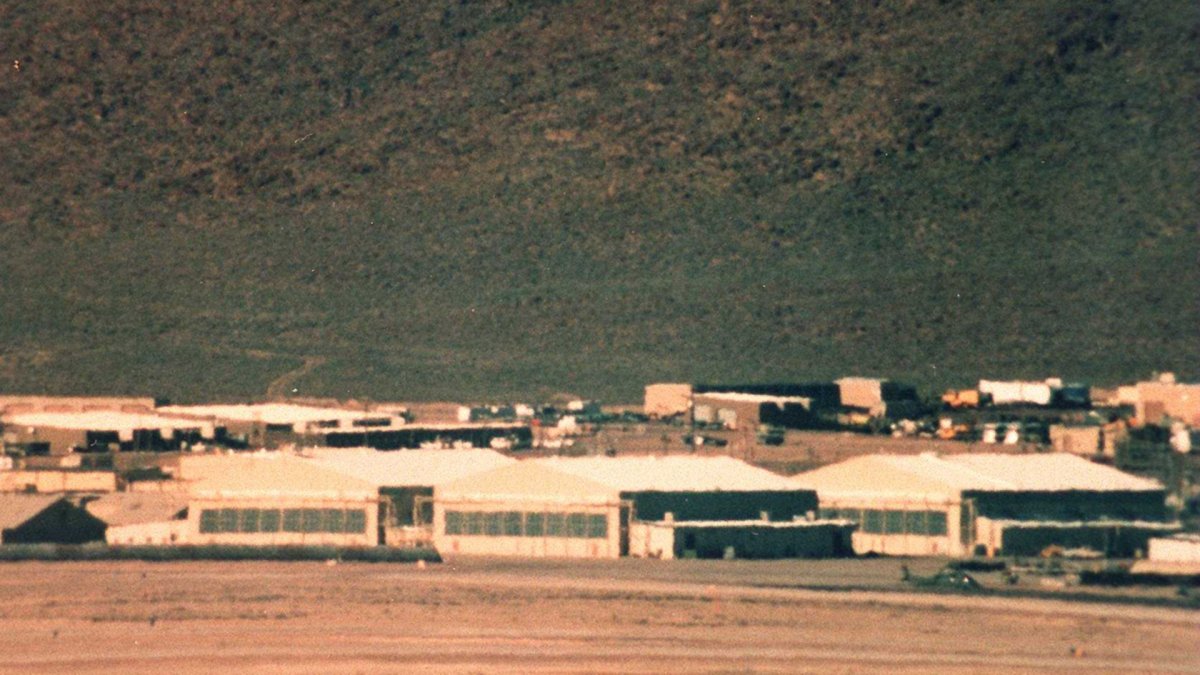
The Sheahan’s property is a historic mine that overlooks Groom Lake., Groommine.com/Groom Mine Facebook page.
The relationship has gotten so contentious between the Sheahans and the Air Force that the family is now demanding answers as to how an antique anvil that weighs 200-lbs could have disappeared within the most highly secured land mass in the world just weeks after the family was evicted from their property that lies within its perimeter.
Less than two months after the Government confiscated the Groom Mine Property, a 100-year-old, 200-lb. blacksmith’s anvil disappeared from the property. The owners noticed the historic anvil was missing shortly after arriving on-site to conduct a personal property review with the U.S. Government’s moving company in November of 2015. The Government conducted an investigation, but was unsuccessful in recovering this large antique anvil. In spite of the numerous cameras, sensors, guards in Ford Raptors, helicopters and satellites, they still could not find a 200-lb. anvil. “Was this Area 51 black magic or just plain old theft? Did someone slip it out of the most secret and secure location on the planet in their lunch box?” asked Patrick Sheahan, one of property owners.
Less than two months after the Government confiscated the Groom Mine Property, a 100-year-old, 200-lb. blacksmith’s anvil disappeared from the property. The owners noticed the historic anvil was missing shortly after arriving on-site to conduct a personal property review with the U.S. Government’s moving company in November of 2015.
The Government conducted an investigation, but was unsuccessful in recovering this large antique anvil. In spite of the numerous cameras, sensors, guards in Ford Raptors, helicopters and satellites, they still could not find a 200-lb. anvil.
“Was this Area 51 black magic or just plain old theft? Did someone slip it out of the most secret and secure location on the planet in their lunch box?” asked Patrick Sheahan, one of property owners.
The Sheahan’s puzzlement as to how such an ungainly object could have vanished from such a secure locale is totally warranted. It’s an anvil, so we know it didn’t get up and walk away on its own, and the only people who would have access to the mine were presumably those who work at the base or who secure its heavily monitored perimeter. In other words, random hikers didn’t casually rob the place. Also, considering that most of the workers at Area 51 are either flown there or are bussed in daily, the ability to remove the anvil from the secretive installation’s grounds becomes even less plausible.
One of the contractor operated “Janet” 737s that travel the route from Las Vegas International Airport to Area 51 one a daily basis. , AP
As sophomoric as it sounds, the historic anvil from the Sheahan’s property—the last private parcel of land with a direct line of sight of the flight test installation at the center of Area 51—would be a nice “victory trophy” for powers that be at the secretive facility. Considering that the place is supposedly littered with test aircraft and is likely the most compartmentalized facility in the US, it’s unclear how exactly the USAF could investigate such an act.
In fact, investigating Area 51 on an official level is next to impossible, as proven by the lawsuit filed by workers that became gravely ill during the 1990s after toxic chemicals were systematically burned in trenches at the base. Before that suit, the base never officially existed. To this day, renewed executive orders are issued by the White House to keep it so classified that it is largely shielded from oversight and the American judicial system.
In other words, the chances that the Sheahans will be seeing their anvil anytime soon are probably as good as you or I receiving a formal invite to come take a personal tour of the installation.
So there you have it, the enigmatic Area 51—a wondrous place that is not only associated directly with aircraft that can disappear, but now also with mysteriously disappearing historical blacksmithing hardware.
Contact the author: Tyler@thedrive.com
Comments couldn’t be loaded. Please refresh the page.
更新于美国东部时间2020年7月3日凌晨4:25
事情似乎还不够离奇。现在,这家人正与美国空军就其位于51区空军基地附近的房产展开一场激烈的土地使用权争夺战,他们要求空军解释,一块重达200磅的古董铁砧在被正式没收几周后,是如何从他们的房产中消失的。
几十年来,谢汉家族一直以各种方式与美国空军抗争。您可以点击此处阅读有关这场非同寻常的斗争的详细内容。然而,在2015年秋季该地块被美国空军根据征用权征用一年多之后,问题的关键在于这座历史悠久的矿山究竟值多少钱。截至去年年底,双方的立场可谓天壤之别。美国空军大幅降低了愿意为该矿山支付的价格,仅为区区33.3万美元,而谢汉家族则声称该地块的价值可能高达1.16亿美元。
此外,谢汉一家表示,根据法律规定,他们所有的个人物品都必须由美国空军承担费用从该地迁走,这在征地程序执行时似乎是理所当然的。但现在,据谢汉一家称,空军甚至连这点都不打算做了。他们在新闻稿中声明如下:
美国政府通过征用权从谢汉家族手中夺取了格鲁姆矿区后,确认搬迁该矿区130年来家族的物品需要一支小型军队、数月时间和270万美元——这还不包括仓储费、杂项费用和其他不可预见的费用。谢汉家族的搬迁专家也认为搬迁需要几个月时间,但费用将高达450万美元。如今,政府改变了最初的立场,声称搬迁这些物品只需几个街区,每天三到四天,搬迁和仓储的总费用不到30万美元。政府声称,这一立场的合理性在于,矿区内的采矿设备被视为土地的固定物,需要作为土地的一部分进行估值,而不是作为搬迁的一部分。然而,政府最初在评估土地价值时却持截然相反的立场,声称采矿设备不应作为土地的一部分进行估值,因为它是需要搬迁的个人财产。 “这些前后矛盾的立场无异于企图在不给予合理补偿的情况下强行夺走我们家的个人财产,”业主之一乔·希恩说道。政府还拒绝搬迁希恩家的其他物品,包括一辆1929年款福特A型车、一辆1936年款国际牌卡车、古董矿用铲斗和齿轮等。他们的理由是这些物品体积大、价值低,但却从未提供过任何一份估价报告。此外,政府还向业主发出恐吓信,命令他们在30天内搬走所有财产,却拒绝提供搬迁通道。这显然违反了联邦法律。为了确保此类个人财产得到充分保护,国会于1970年通过了《统一搬迁援助和不动产征用政策法案》(URA)。URA规定了具体规则,确保政府支付所有个人财产的搬迁和仓储费用,并给予合理的搬迁时间。 URA 进一步规定,政府有义务协助搬迁个人财产,“以确保因联邦或联邦援助项目而直接流离失所的人得到公平、一致和公正的对待,从而使这些流离失所的人不会因旨在造福全体公众的项目而遭受不成比例的伤害”(49 CFR § 24.1)。
美国政府通过征用权从谢汉家族手中夺取了格鲁姆矿区后,确认搬迁该矿区130年来的家族物品需要一支小型军队、数月时间和270万美元——这还不包括仓储费、杂项费用和其他不可预见的费用。谢汉家族的搬迁专家也认为搬迁需要几个月的时间,但费用将高达450万美元。
政府现在改变了最初的立场,声称搬迁这些物品只需三到四天,总共花费不到30万美元。政府表示,这一立场的合理性在于,矿场上的采矿设备被视为附着于土地的固定物,需要作为土地的一部分进行估值,而不是作为搬迁的一部分。然而,政府最初在评估土地价值时却持截然相反的立场,声称采矿设备不应作为土地的一部分进行估值,因为它是需要搬迁的个人财产。
“这些前后矛盾的立场,无非就是企图在不给予公正补偿的情况下,直接夺走我们家的个人财产,”其中一位业主乔·希恩说道。
政府还拒绝搬迁谢汉家族的其他物品,包括一辆1929年款A型福特汽车、一辆1936年款国际牌卡车、古董矿用铲斗和齿轮等。他们的理由是这些物品体积大、价值低,但他们并未提供任何一份估价报告。
此外,政府向土地所有者发出威胁信,命令他们在30天内搬走所有财产,却拒绝提供搬迁通道。这明显违反了联邦法律。为确保此类个人财产得到充分保护,国会于1970年通过了《统一搬迁援助和不动产征用政策法案》(URA)。URA规定了具体规则,确保政府支付所有个人财产的搬迁和存储费用,并给予合理的搬迁时间。URA还规定,政府有义务为个人财产的搬迁提供援助,“以确保因联邦或联邦资助项目而直接流离失所的人员得到公平、一致和公正的对待,从而使这些流离失所者不会因旨在造福公众的项目而遭受不成比例的伤害”(49 CFR § 24.1)。
Sheahan 的产业是一座历史悠久的矿场,俯瞰着 Groom 湖。Groommine.com/Groom Mine Facebook 页面。
谢汉一家与空军的关系已经变得非常紧张,以至于谢汉一家现在要求解释,为什么一个重达 200 磅的古董铁砧会在他们被驱逐出位于这片戒备森严的土地上的房产几周后,就消失在这片世界上戒备最森严的土地上。
政府没收格鲁姆矿区不到两个月,一块百年历史、重达200磅的铁匠铁砧就从矿区消失了。2015年11月,矿区业主与美国政府的搬家公司抵达现场进行个人财产清点时,不久便发现这块历史悠久的铁砧不见了。政府展开调查,但未能找回这块巨大的古董铁砧。尽管部署了大量的摄像头、传感器、福特猛禽皮卡保安、直升机和卫星,他们仍然找不到这块200磅重的铁砧。“这是51区的魔法,还是普通的盗窃?难道有人把它装在午餐盒里,从地球上最隐秘、最安全的地方偷走了?”业主之一帕特里克·希恩问道。
政府没收格鲁姆矿区不到两个月,一块有百年历史、重达200磅的铁匠铁砧就从矿区消失了。2015年11月,矿区业主与美国政府的搬迁公司一起到现场进行个人财产清点时,不久便发现这块历史悠久的铁砧不见了。
政府展开了调查,但未能找回这块巨大的古董铁砧。尽管动用了众多摄像头、传感器、福特猛禽皮卡警卫、直升机和卫星,他们仍然找不到这块重达200磅的铁砧。
“这是51区的黑魔法,还是普通的盗窃?难道有人把它装在午餐盒里,从地球上最隐秘、最安全的地方偷偷带出来了?”业主之一帕特里克·希恩问道。
希恩对如此笨重的物体如何从如此戒备森严的地方消失感到困惑,这完全可以理解。那是一块铁砧,所以我们知道它不可能自己爬起来走掉。而且,只有那些在基地工作或负责严密监控的周边区域的人员才能进入矿井。换句话说,普通的徒步旅行者不可能随意偷走它。此外,考虑到51区的大部分工作人员都是乘飞机或巴士每天往返,将铁砧从这个秘密基地移走的可能性就更小了。
其中一家承包商运营着名为“珍妮特”的737飞机,每天一班往返于拉斯维加斯国际机场和51区之间。(美联社)
听起来或许有些幼稚,但谢汉家族土地上那块具有历史意义的铁砧——这是最后一块能直接看到51区中心飞行测试设施的私人土地——对于这个神秘设施的掌权者来说,无疑是一件不错的“胜利奖杯”。考虑到那里据说到处都是测试飞机,而且很可能是美国隔离程度最高的设施,目前还不清楚美国空军究竟该如何调查此类事件。
事实上,对51区进行官方调查几乎是不可能的,这一点已由一些工人提起的诉讼所证实。这些工人在20世纪90年代因基地沟渠中系统性地焚烧有毒化学品而患上重病。在此诉讼之前,该基地从未被正式认定存在。时至今日,白宫仍在不断发布行政命令,以确保其高度机密,使其基本免受监督和美国司法系统的管辖。
换句话说,谢汉一家近期内见到他们的铁砧的可能性,可能和你我收到正式邀请亲自参观该装置的可能性一样小。
这就是神秘的 51 区——一个奇妙的地方,它不仅与会消失的飞机直接相关,现在还与神秘消失的历史铁匠工具相关。
联系作者:Tyler@thedrive.com
评论加载失败,请刷新页面。