Last-ditch effort in Geneva to avert war between US, Iran wraps with ‘significant progress,’ Omani official says阿曼官员称,在日内瓦为避免美伊战争所做的最后努力以“重大进展”告终。
Oman's Foreign Minister Badr al-Busaidi said discussions on a “technical level” will take place next week in Vienna.
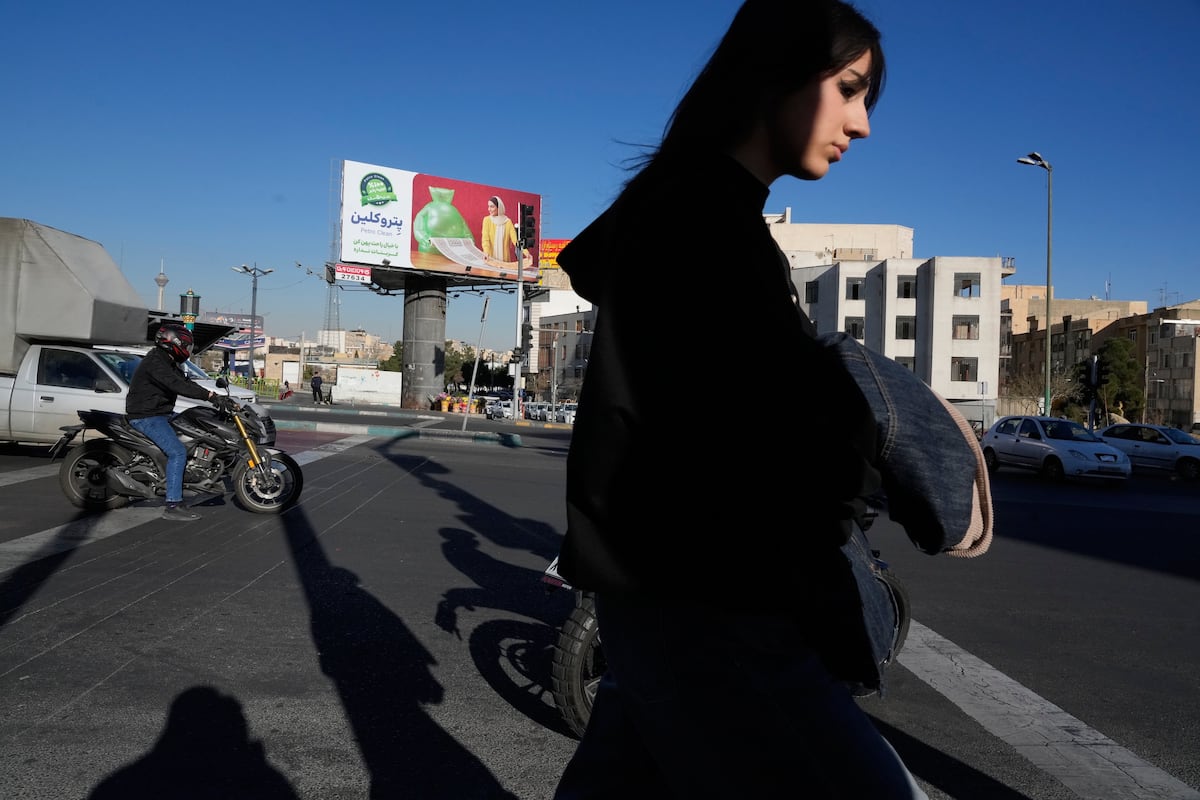
U.S. and Iranian officials gathered for talks in Geneva on Thursday against the backdrop of the largest American military buildup in the Middle East since the Iraq War. The negotiations were widely seen as a last-ditch effort to prevent the standoff between Washington and Tehran from spiraling into war but produced no dramatic breakthrough.
In talks mediated by Oman, the U.S. delegation — led by special envoy Steve Witkoff and President Donald Trump’s son-in-law Jared Kushner — met with Iranian Foreign Minister Abbas Aragchi. It marked the third round of deliberations between the two nations this month.
Even though no deal was clinched, there was a suggestion of important advances having been made. Badr al-Busaidi, Oman’s foreign minister, said in a statement following the meeting that “significant progress” was made and talks “will resume soon after consultations in the respective capitals.” He noted that discussions on a “technical level” will take place next week in Vienna.
Neither the White House nor the leadership of Iran offered any immediate comment.
Trump, during his State of the Union address on Tuesday, said Iran could avert conflict by articulating what he called the “secret words: ‘We do not want nuclear weapons ever.’” He insisted that his preference was to pursue diplomacy with Tehran, but has previously warned that “bad things” would happen if a new nuclear deal is not achieved.
Analysts estimate that Trump’s buildup of forces in the region now represents nearly half of all deployable U.S. airpower — a concentration of military might not seen since the days of the 1991 Gulf War or the 2003 invasion of Iraq. The armada consists of two aircraft carrier strike groups, as well as dozens of bombers and fighter jets.
Yet even on the apparent cusp of war, Iran has so far refused to concede to U.S. demands. “Our fundamental convictions are crystal clear: Iran will under no circumstances ever develop a nuclear weapon; neither will we Iranians ever forgo our right to harness the dividends of peaceful nuclear technology for our people,” the Islamic Republic’s foreign minister wrote in a post on X .
Iran has vowed deadly retaliation if the U.S. attacks militarily, and its proxy groups as well as the Taliban have pledged to join the fight in its defense. Israel would be an obvious likely target, but U.S. installations across the region would also be under threat.
Key Gulf allies, who are concerned that a confrontation could spiral into a wider war, have said the U.S. will not be allowed to use their airspace for military action against Iran.
Among American demands, according to officials, is an insistence that the Islamic Republic should destroy all three of its nuclear sites. This poses a seeming contradiction with Trump’s previous and emphatic declaration that those facilities had been “completely and totally obliterated” by U.S. B-2 bombers during Operation Midnight Hammer last June.
The president made that statement on the day of the operation, asserting that it would take years for Tehran to rebuild its program. Witkoff, however, said in an interview with Fox News last weekend that the Iranians are now “a week away from having industrial-grade bomb-making material.”
Secretary of State Marco Rubio has also argued that Iran’s reluctance to discuss its development of intercontinental ballistic missiles remains a significant gap at the negotiating table.
“The negotiations [on Thursday] will be largely focused on the nuclear program, and we hope progress can be made,” Rubio told reporters Wednesday. “But it’s also important to remember that Iran refuses — refuses — to talk about ballistic missiles to us or to anyone, and that’s a big problem.”
Tanya Noury is a reporter for Military Times and Defense News, with coverage focusing on the White House and Pentagon.
周四,美国和伊朗官员在日内瓦举行会谈,而此时正值自伊拉克战争以来美国在中东地区规模最大的军事集结时期。此次谈判被普遍视为防止华盛顿和德黑兰之间的僵局升级为战争的最后努力,但并未取得任何重大突破。
在阿曼的斡旋下,由特使史蒂夫·威特科夫和总统唐纳德·特朗普的女婿贾里德·库什纳率领的美国代表团与伊朗外长阿巴斯·阿拉格奇举行了会谈。这是本月两国举行的第三轮磋商。
尽管双方未能达成协议,但有迹象表明已取得重要进展。阿曼外交大臣巴德尔·布赛迪在会后发表声明称,双方取得了“重大进展”,会谈“将在各自首都进行磋商后尽快恢复”。他还指出,下周将在维也纳举行“技术层面”的讨论。
白宫和伊朗领导层均未立即对此发表评论。
特朗普在周二的国情咨文中表示,伊朗可以通过明确表态——“我们永远不希望拥有核武器”——来避免冲突。他坚称自己更倾向于与德黑兰进行外交对话,但此前也曾警告说,如果不能达成新的核协议,“糟糕的事情”将会发生。
分析人士估计,特朗普在该地区集结的兵力如今已接近美国可部署空中力量的一半——这种军事力量的集中程度,自1991年海湾战争或2003年入侵伊拉克以来前所未见。这支庞大的舰队由两个航母打击群以及数十架轰炸机和战斗机组成。
然而,即便在战争一触即发的边缘,伊朗迄今为止仍拒绝向美国的要求让步。伊朗外交部长在X网站上发表的一篇文章中写道:“我们的基本信念非常明确:伊朗在任何情况下都不会发展核武器;我们伊朗人也绝不会放弃为我们的人民和平利用核技术红利的权利。”
伊朗已誓言,若美国发动军事攻击,将进行致命报复。伊朗的代理组织以及塔利班也承诺加入战斗,保卫伊朗。以色列显然是可能的攻击目标,但美国在该地区的设施也将受到威胁。
海湾地区的主要盟友担心对抗可能会演变成更大规模的战争,他们表示不会允许美国利用他们的领空对伊朗采取军事行动。
据官员透露,美国的要求之一是坚持要求伊朗摧毁其全部三处核设施。这似乎与特朗普此前斩钉截铁的声明相矛盾,特朗普曾表示,在去年六月的“午夜铁锤行动”中,这些设施已被美国B-2轰炸机“彻底摧毁”。
总统在行动当天发表了上述声明,声称德黑兰需要数年时间才能重建其核计划。然而,维特科夫上周末在接受福克斯新闻采访时表示,伊朗人现在“距离拥有工业级炸弹制造材料仅剩一周时间”。
国务卿马可·卢比奥也认为,伊朗不愿讨论其洲际弹道导弹的研发问题,仍然是谈判桌上的一个重大分歧。
鲁比奥周三告诉记者:“(周四的)谈判将主要集中在核计划上,我们希望能够取得进展。但同样重要的是要记住,伊朗拒绝——拒绝——与我们或任何人谈论弹道导弹问题,这是一个大问题。”
Tanya Noury 是《军事时报》和《防务新闻》的记者,她的报道主要集中在白宫和五角大楼。