Danish, UK firms rush counter-drone takeover amid airspace breaches丹麦和英国公司加紧研发反无人机技术,应对空域侵犯问题
Recent incursions have exposed speed of detection as a key gap in defending against drones, leaving security personnel unaware of threat types.
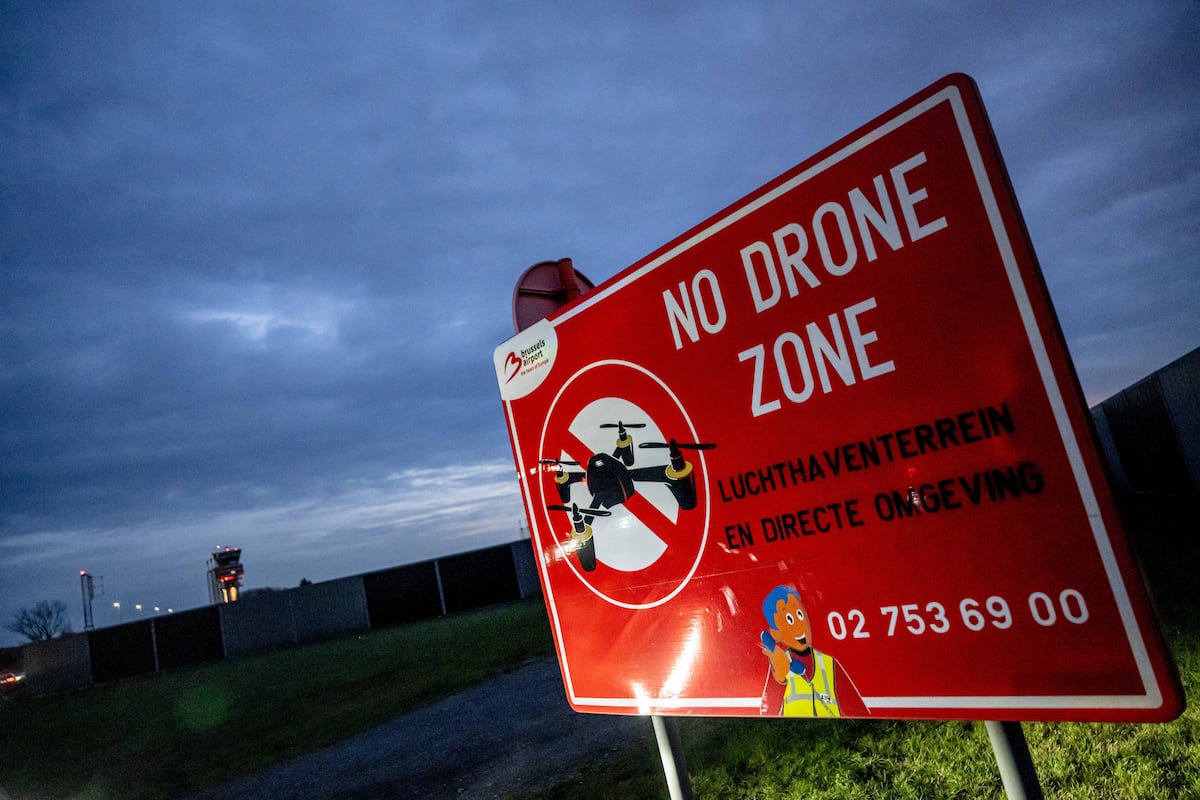
MILAN — Danish aerospace manufacturer Terma Group has acquired U.K.-based counter-drone company OSL in an effort to boost its drone-defense portfolio, as European officials report an uptick in aerial intrusions aimed at critical infrastructure.
While the takeover process began earlier this year, a series of airspace breaches over the last few months has accelerated the procedure, Terma CEO Henriette H. Thygesen told Defense News in an interview.
“The recent European drone disruptions did not start the process, but they did underline the urgency and relevance of bringing a stronger, software-led, and open C-UAS capability to critical assets,” she said.
The new partnership will combine OSL’s operational experience protecting major sites, such as Heathrow and Gatwick airports, with Terma’s situational-awareness and command-and-control capabilities.
A broad range of third-party sensors, including radar, radio-frequency, optical, and acoustic data across all domains, will be fused to provide operators with a single, comprehensive picture.
Effectors capable of neutralizing hostile drones can also be integrated into the setup, completing the offering of a turnkey suite from spotting a threat to downing it, according to the companies.
Thygesen said recent incursions have exposed speed of detection as a key gap in defending against drones, leaving security personnel unaware of what type of threat they were dealing with.
“It is not enough to just detect anymore – you need to validate quickly that it’s actually a drone, reduce false alarms, and act with more speed and confidence, that’s where sensor fusion and disciplined workflows make a difference,” she said.
OSL began deploying its anti-drone suite at Heathrow, Europe’s busiest airport, in 2022. According to the company’s website, the system is able to scan a given airspace for illegal drones and pinpoint their operators on the ground.
In the U.K. alone, there are over 500,000 registered drone pilots who have passed their certifications to legally fly systems weighing 250g or more, as reported by the country’s Civil Aviation Authority.
Thygesen said major airports typically rely on counter-drone equipment from multiple manufacturers and, in some cases, deploy over 17 different types of sensors linked to various types of effectors.
Airports are among the most challenging environments for surveillance technology. While some have taken voluntary steps to deal with rogue drones, others remain ill-prepared. A blog post by the counter-drone company Dedrone stated that some aerodromes are not required to meet measurable targets for detecting, monitoring, or airspace verification.
In a 2025 case study, OSL identified lessons from airports’ counter-drone systems. In one incident, a drone was discovered underneath a parked aircraft by ground surveillance after early-detection systems failed to record it.
“The drone had remained too small and too low to be picked up by radar, revealing a critical coverage gap – situational awareness isn’t just about tracking visible threats,” the study noted.
In another example, a radio-frequency sensor tracked a powered-on drone, except without visual confirmation. The culprit turned out to be a passenger’s drone inadvertently switched on inside their luggage while going through the luggage-transport system, prompting a 15-minute halt.
“At airports, the cost of false positives extends far beyond technical inconvenience; a single misclassification can have economic, reputational, and regulatory consequences that can have a ripple effect,” the study warned.
Elisabeth Gosselin-Malo was a Europe correspondent for Defense News. She covers a wide range of topics related to military procurement and international security, and specializes in reporting on the aviation sector. She is based in Milan, Italy.
米兰——丹麦航空航天制造商泰尔玛集团收购了英国反无人机公司OSL,以增强其无人机防御产品组合。与此同时,欧洲官员报告称,针对关键基础设施的空中入侵事件有所增加。
Terma 首席执行官 Henriette H. Thygesen 在接受《防务新闻》采访时表示,虽然接管程序于今年早些时候开始,但过去几个月发生的一系列空域侵犯事件加速了这一进程。
“最近欧洲无人机中断事件并没有启动这一进程,但它们确实凸显了为关键资产引入更强大、软件主导和开放的反无人机系统能力的紧迫性和重要性,”她说。
新的合作关系将结合 OSL 在保护希思罗机场和盖特威克机场等重大场所方面的运营经验,以及 Terma 的态势感知和指挥控制能力。
我们将融合来自各个领域的各种第三方传感器的数据,包括雷达、射频、光学和声学数据,为操作人员提供单一、全面的图像。
据这些公司称,该装置还可以集成能够摧毁敌方无人机的效应器,从而提供从发现威胁到将其击落的一整套交钥匙解决方案。
蒂格森表示,最近的入侵事件暴露了探测速度是防御无人机的一个关键漏洞,导致安全人员无法了解他们正在应对哪种类型的威胁。
“仅仅检测到无人机已经不够了——你需要快速验证它是否真的是无人机,减少误报,并以更快的速度和更强的信心采取行动,这就是传感器融合和规范的工作流程发挥作用的地方,”她说。
OSL 于 2022 年开始在欧洲最繁忙的机场希思罗机场部署其反无人机系统。据该公司网站介绍,该系统能够扫描特定空域,查找非法无人机,并精确定位地面上的操作者。
据英国民航局报告,仅在英国就有超过 50 万名注册无人机飞行员通过了认证,可以合法飞行重量为 250 克或以上的系统。
蒂格森表示,大型机场通常依赖多家制造商提供的反无人机设备,在某些情况下,还会部署超过 17 种不同类型的传感器,这些传感器与各种类型的执行器相连。
机场是监控技术面临的最具挑战性的环境之一。虽然一些机场已主动采取措施应对非法无人机,但其他机场仍然准备不足。反无人机公司Dedrone在一篇博客文章中指出,一些机场无需达到可衡量的探测、监控或空域核查目标。
在2025年的一项案例研究中,OSL总结了机场反无人机系统的经验教训。其中一起事件中,一架无人机停放在一架飞机下方,而早期探测系统未能将其记录下来,最终是通过地面监控才发现的。
该研究指出:“无人机体积太小、飞行高度太低,雷达无法探测到它,这暴露出一个关键的覆盖盲区——态势感知不仅仅是追踪可见的威胁。”
另一个例子是,射频传感器追踪到一架已通电的无人机,但没有目视确认。罪魁祸首原来是一位乘客的无人机在行李通过行李传送系统时,不慎在其行李中启动,导致航班延误15分钟。
该研究警告说:“在机场,误报的代价远远不止技术上的不便;一次误判可能会造成经济、声誉和监管方面的后果,并产生连锁反应。”
伊丽莎白·戈斯林-马洛曾任《防务新闻》欧洲通讯员。她的报道涵盖军事采购和国际安全等广泛领域,尤其擅长航空领域的报道。她常驻意大利米兰。