NATO to cultivate vetted counter-drone vendor pool for nations to pick and choose北约将建立一个经过审查的反无人机供应商库,供各国选择。
The alliance also has established common funding that will allow nations to test C-UAS systems before making a final decision on procuring them.
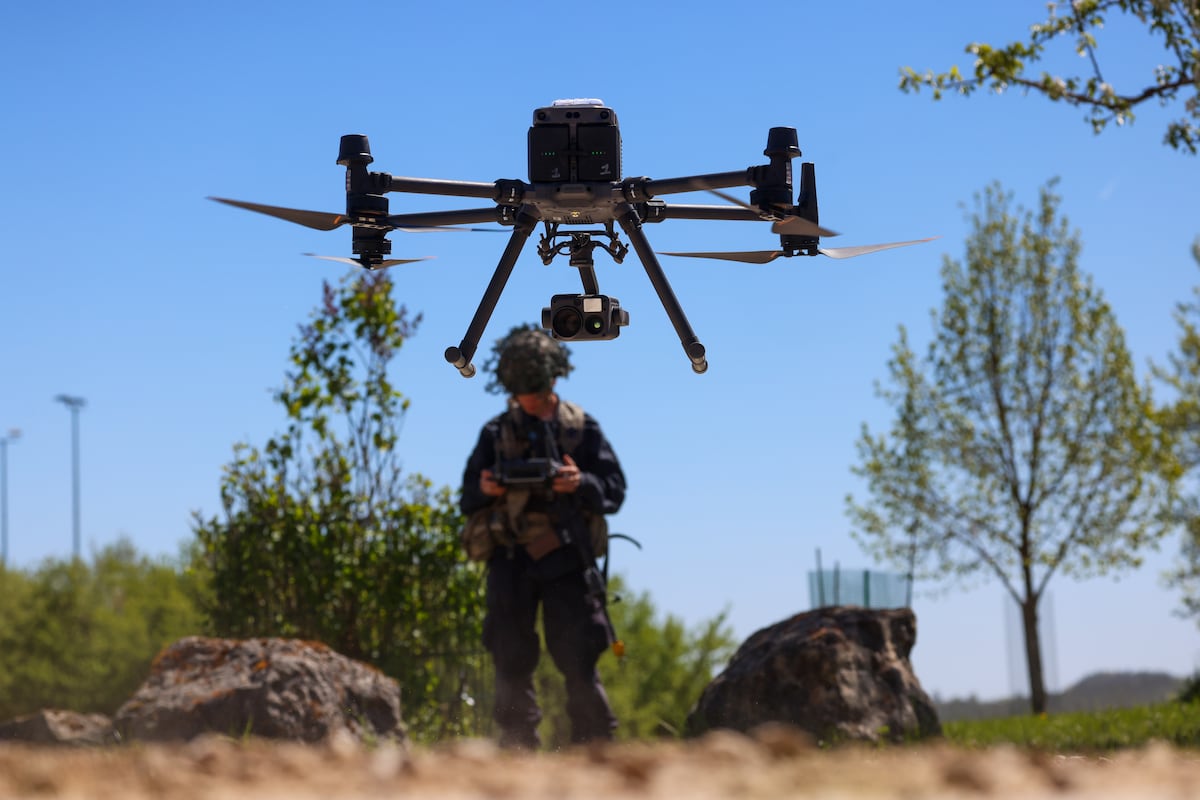
RIGA, Latvia — NATO is setting up a marketplace where alliance members can shop for counter-drone systems — a pilot project within a broader push by the organization to speed up procurement and help countries adopt new technology more quickly.
The alliance has invited companies to pitch counter-unmanned aerial systems, or C-UAS, by mid-May, and will pick 18 systems in the next one to two months, said Claudio Palestini, NATO head of innovation and technology adoption, in a video briefing with reporters on Monday. The goal is to have contracts in place “by the summer” so nations can start to procure via the marketplace.
With the pace of drone innovation in Ukraine measured in weeks, NATO wants to help member countries move on from requirement-based procurement to a mechanism based on challenges and use cases, a methodology Palestini called “very fitting” for some autonomous systems such as aerial drones, unmanned ground vehicles and C-UAS.
“When we buy phones or laptops, we don’t go to the suppliers with the requirements of them, but we go to the market,” Palestini said. “We buy what fits best with our needs. And this is the spirit that we want to do.”
The marketplace pilot comes after NATO members in June 2025 agreed on the Rapid Adoption Action Plan , seeking to shorten the delay getting cutting-edge technology in the hands of troops. In addition to challenge-based procurement, NATO is looking at new ways of buying such as purchasing capability as a service, as well as leasing models, the head of innovation said.
For the C-UAS marketplace, NATO wants solutions for point, area and border defense, with each operational need covered by a static counter system, another that is deployable in for example containers, as well as a fully mobile system, according to Palestini.
For the resulting nine use cases, NATO then plans to sign contracts for the solution that is the best value for money, and for the cheapest technically-compliant solution, to offer a total of 18 C-UAS options, Palestini said. In addition, all contracts will have a purchasing and a lease option, he said.
“Whenever there will be a requirement from one nation, we can take these requirements and try to map it with the one of the nine use cases and going back to the nation, saying, ‘Okay, this is the solution that we have for this use case,’” Palestini said. “You can basically procure immediately, because this already went through a pre-completed process.”
NATO has also established common funding that will allow nations to test C-UAS systems before making a final decision on procuring them, for example by leasing for one or two months, according to the NATO official.
In a next step, NATO is looking at testing the 18 solutions against standardized procedures, “so that not only we have the possibility to do contracts quickly for nations, but also to give them reasonable assurance of the performance of the system in the use case they envisage,” Palestini said. The alliance is aiming for that testing to happen in September, according to the official.
NATO is setting up a number of so-called innovation ranges, including in Latvia, where industry can test products in real-life conditions and where national procurement agencies can confirm that technology works on the firing range, Palestini said. The goal is to organize a testing campaign about every six weeks, testing different aspects such as performance but also interoperability
As part of the Rapid Adoption Action Plan, NATO intends to hand out “innovation badges” for systems tested in standardized procedures, as a way to assure member countries about how a system performs in a given scenario. The idea is that companies will be able to retest whenever they change their systems to receive a new badge, Palestini said.
Drone warfare in Ukraine has shown “increasingly rapid innovation cycles,” with UAS tactics on average evolving every two to three weeks in the 2023-2025 period, according to Palestini. That imposes a need for rapidly adapting both technology and doctrine, and “ensuring that NATO allies are able to meet this speed is of vital consideration for us.”
The NATO official said the urgency of developing C-UAS solutions means that while the alliance will push for challenge-based procurement that favors interoperability, it will leave “space for innovative solutions to be brought to market at speed.”
The alliance announced the UNITE-Brave NATO initiative in November to develop joint products between companies in member states and Ukrainian firms, and Palestini said the goal is to marry Ukraine’s rapid innovation with “long-term predictability, interoperability and NATO planning.”
The NATO Innovation Range in Latvia for now is set to hold five testing sessions for companies in 2026, including the first one held in March that saw 17 companies trial their products, including four from Ukraine. Another 18 companies will test solutions in May, including one Ukrainian firm, according to the alliance’s head of innovation.
Rudy Ruitenberg is a Europe correspondent for Defense News. He started his career at Bloomberg News and has experience reporting on technology, commodity markets and politics.
拉脱维亚里加——北约正在建立一个市场,让联盟成员国可以购买反无人机系统——这是该组织为加快采购速度并帮助各国更快地采用新技术而采取的更广泛举措中的一个试点项目。
北约创新与技术采纳负责人克劳迪奥·帕莱斯蒂尼周一在与记者的视频简报会上表示,北约已邀请各公司在5月中旬前提交反无人机系统(C-UAS)方案,并将在未来一到两个月内选定18套系统。目标是在“夏季”前完成合同签订,以便各国能够通过市场渠道开始采购。
乌克兰的无人机创新速度以周为单位衡量,北约希望帮助成员国从基于需求的采购转向基于挑战和用例的机制,帕莱斯蒂尼称这种方法“非常适合”某些自主系统,如空中无人机、无人地面车辆和反无人机系统。
帕莱斯蒂尼说:“我们买手机或笔记本电脑时,不会带着自己的需求去找供应商,而是直接去市场。我们会买最符合我们需求的产品。这正是我们想要秉持的精神。”
此次市场试点项目是在北约成员国于2025年6月就《快速采纳行动计划》达成一致之后启动的,该计划旨在缩短部队获得尖端技术的时间。北约创新负责人表示,除了基于挑战的采购方式外,北约还在探索新的采购方式,例如以服务形式采购能力以及租赁模式。
帕莱斯蒂尼表示,对于反无人机系统市场,北约希望找到能够满足点防御、区域防御和边境防御需求的解决方案,每种作战需求都应由一个静态反制系统、一个可部署在例如集装箱中的系统以及一个完全移动的系统来满足。
帕莱斯蒂尼表示,针对最终确定的九个应用案例,北约计划签署性价比最高、技术上最经济的解决方案合同,从而提供总共18种反无人机系统(C-UAS)方案。他还表示,所有合同都将包含购买和租赁两种选择。
帕莱斯蒂尼说:“每当有国家提出需求时,我们可以将这些需求与九个用例之一进行匹配,然后反馈给该国,告诉他们‘好的,这是我们针对这个用例的解决方案’。基本上可以立即采购,因为这个过程已经预先完成。”
据北约官员称,北约还设立了共同基金,允许各国在最终决定是否采购反无人机系统之前对其进行测试,例如通过租赁一到两个月的方式。
下一步,北约计划根据标准化程序对这18种解决方案进行测试,“这样我们不仅能够快速与各国签订合同,还能让他们对系统在预期使用场景下的性能有合理的保证,”帕莱斯蒂尼表示。据这位官员透露,北约的目标是在9月份进行这项测试。
北约正在建立多个所谓的创新靶场,包括在拉脱维亚的靶场,以便企业在真实条件下测试产品,各国采购机构也能在靶场上验证技术的有效性,帕莱斯蒂尼表示。目标是每六周左右组织一次测试活动,测试性能、互操作性等各个方面。
作为快速采纳行动计划的一部分,北约计划向按照标准化程序测试过的系统颁发“创新徽章”,以此向成员国保证系统在特定场景下的性能。帕莱斯蒂尼表示,这样做的目的是让企业在系统更新换代后能够重新测试,从而获得新的徽章。
帕莱斯蒂尼指出,乌克兰的无人机战争呈现出“日益快速的创新周期”,在2023年至2025年期间,无人机系统战术平均每两到三周就会发生一次演变。这就要求技术和理论都必须迅速调整,“确保北约盟国能够跟上这种速度对我们来说至关重要。”
北约官员表示,开发反无人机系统解决方案的紧迫性意味着,虽然北约将推动以挑战为基础、有利于互操作性的采购,但也会“为快速将创新解决方案推向市场留出空间”。
北约联盟于 11 月宣布了 UNITE-Brave 北约倡议,旨在开发成员国公司与乌克兰公司之间的联合产品。帕莱斯蒂尼表示,该倡议的目标是将乌克兰的快速创新与“长期可预测性、互操作性和北约规划”相结合。
北约位于拉脱维亚的创新试验场目前计划在2026年举办五场企业测试活动,其中包括3月份举行的首场测试,当时有17家公司试用了他们的产品,其中包括4家乌克兰公司。据北约创新负责人称,另有18家公司将于5月份测试其解决方案,其中包括一家乌克兰公司。
鲁迪·鲁伊滕贝格是《防务新闻》的欧洲记者。他的职业生涯始于彭博新闻社,拥有报道科技、大宗商品市场和政治方面的经验。