US Air Force eyes deadline to launch new command美国空军正着眼于最后期限,筹建新的指挥部
The proposed Integrated Capabilities Command would centralize planning for future requirements that are now scattered throughout the Air Force.
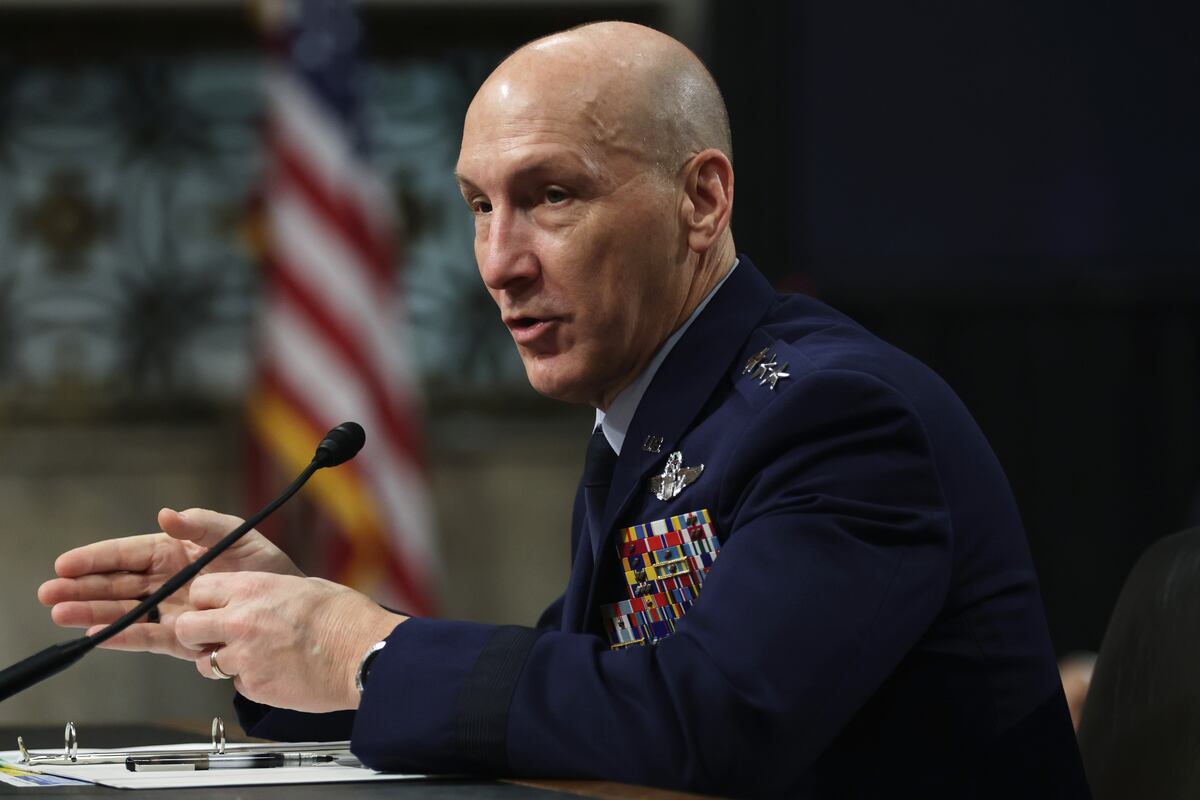
The U.S. Air Force wants to have its Integrated Capabilities Command up and running by the end of 2024, the service’s chief of staff told reporters Thursday.
The command is a central pillar of a vast reorganization the service announced in February. This revamp, the service’s largest since the end of the Cold War, is intended to better prepare the Air Force to counter major adversaries such as China and win a high-tech, modern war amid limited funding.
The Air Force has become “fragmented” and built up its capabilities “in chunks at a time,” Gen. David Allvin said at a roundtable. But in an era where the Air Force must prepare for a potential fight against an advanced enemy, he added, the service must take a broader look to prepare for the future.
For example, he said, a siloed approach to modernization could lead one section of the Air Force to focus on updating an outdated capability, even if that capability won’t be relevant to a future fight. By having an Integrated Capabilities Command looking at the big picture, he noted, the service might recognize such an upgrade wouldn’t be worth it.
The command is intended to take a more unified approach to developing the Air Force’s future requirements into new systems or other capabilities. It will centralize the Air Force’s current system for developing plans for future capabilities, which is now largely done piecemeal by individual major commands such as Air Combat Command and Air Force Global Strike Command.
The service is still working out many details about the new command, Allvin said. But the service intends to put a three-star general in charge, he noted, and likely one from an operational background, even if it has to pick a temporary commander at first.
And the organization could ultimately have between 500 and 800 airmen, Allvin said, though he stressed that figure is still in flux. These would be airmen who focus on conducting longer-term planning and preparing for modernization projects.
He said the Air Force’s goal is to have individual airmen tapped for the command and already starting to work in their new jobs by the end of the calendar year.
Allvin indicated the number of airmen moved from individual commands to this new one would probably number a few dozen, adding: “We don’t anticipate it will be moving hundreds from a place.”
The Air Force is working to ensure it doesn’t mistakenly take airmen away from major commands, which could impact the readiness of existing systems, Allvin said.
The Air Force envisions a series of satellite offices for the command throughout the United States, Allvin noted, meaning most airmen would likely stay at their current bases.
The Air Force needs to think more creatively about ways to accomplish its missions, Allvin said, such as carrying out long-range strike operations to sink Chinese ships. For the last two decades, he added, China has focused on building a naval force designed to keep the United States at a distance — something the U.S. Air Force must counter. He pointed to the service’s experimentation with launching cruise missiles from the back of a cargo plane as an innovative way to achieve long-range strike requirements without employing traditional bombers.
Or, he said, modernization planners working on updating the F-16 jet′s radar might have more access to experts working on the KC-46 tanker and share ideas and strategies that might work better.
“We want to be able to keep up with the pace of technology, the pace of change, and have the operators come together to build one force design, rather than multiple parts that are sort of stitched together at the end,” Allvin said.
This will benefit the entire service by leading to “a more coherent force design,” he added, as well as help Air Force Materiel Command better understand and predict what it will need to build and sustain all the service’s different systems.
“This is about getting the system right,” Allvin said. “Looking into the arc of the future and how we see how technology is playing out, how the strategic environment is playing out, and how we assess the way that we put together the capabilities we use to go to war.”
Stephen Losey is the air warfare reporter for Defense News. He previously covered leadership and personnel issues at Air Force Times, and the Pentagon, special operations and air warfare at Military.com. He has traveled to the Middle East to cover U.S. Air Force operations.
美国空军参谋长周四告诉记者,美国空军希望其综合能力司令部能在 2024 年底前投入运作。
该司令部是空军二月份宣布的大规模重组计划的核心支柱。此次重组是冷战结束以来空军规模最大的一次,旨在使空军更好地应对中国等主要对手,并在资金有限的情况下赢得高科技现代化战争。
空军司令戴维·奥尔文将军在一次圆桌会议上表示,空军已经变得“支离破碎”,其能力也是“一点一点地”逐步建立起来的。但他补充说,在空军必须为可能与先进敌人作战做好准备的时代,空军必须放眼未来,进行更全面的规划。
他举例说,如果现代化进程各自为政,空军的某个部门可能会专注于升级过时的能力,即使这种能力在未来的战斗中毫无用处。他指出,如果设立一个综合能力司令部,从全局角度审视问题,空军或许就能意识到这种升级并不值得。
该司令部旨在采取更加统一的方式,将空军未来的需求转化为新的系统或其他能力。它将集中管理空军目前制定未来能力规划的系统,而这项工作目前主要由各个主要司令部(例如空战司令部和空军全球打击司令部)各自独立完成。
艾尔文表示,军方仍在敲定新司令部的诸多细节。但他指出,军方打算任命一位三星将军担任司令,而且很可能是一位具有作战经验的将军,即便最初可能需要任命一位临时指挥官。
艾尔文表示,该组织最终可能拥有500至800名空军人员,但他强调这个数字仍在调整中。这些空军人员将专注于制定长期规划和筹备现代化项目。
他说,空军的目标是在年底前选拔出合适的空军人员担任指挥职务,并让他们开始在新岗位上工作。
奥尔文表示,从各个指挥部调到这个新指挥部的空军人员可能只有几十人,并补充说:“我们预计不会有数百人从一个地方调走。”
空军正在努力确保不会错误地将空军人员从主要指挥部抽调出去,这可能会影响现有系统的战备状态,艾尔文说。
艾尔文指出,空军设想在美国各地设立一系列卫星指挥部,这意味着大多数空军人员可能会留在他们目前的基地。
艾尔文表示,空军需要更具创造性地思考完成任务的方式,例如执行远程打击行动击沉中国舰船。他补充说,过去二十年来,中国一直致力于打造一支旨在与美国保持距离的海军力量——这是美国空军必须应对的挑战。他指出,空军正在试验从运输机尾部发射巡航导弹,这是一种无需使用传统轰炸机即可满足远程打击需求的创新方法。
或者,他说,负责更新 F-16 战斗机雷达的现代化规划人员可能更容易接触到 KC-46 加油机的专家,并分享可能更有效的想法和策略。
“我们希望能够跟上技术发展的步伐,跟上变革的步伐,让各部门齐心协力打造一支统一的部队,而不是最后将多个部分拼凑在一起,”奥尔文说。
他补充说,这将使整个空军受益,因为它将带来“更协调一致的部队设计”,同时也有助于空军装备司令部更好地了解和预测建造和维护空军所有不同系统所需的物资。
“关键在于把系统建设好,”奥尔文说。“要着眼未来发展趋势,看看技术将如何演变,战略环境将如何变化,以及我们如何评估我们构建战争能力的方式。”
斯蒂芬·洛西是《防务新闻》的空战记者。他此前曾在《空军时报》报道领导层和人事问题,并在Military.com网站报道五角大楼、特种作战和空战。他曾前往中东报道美国空军的行动。