EU buys too much defense equipment abroad, especially from US: Report报告显示,欧盟从国外,特别是从美国,购买了过多的国防装备。
European Union countries are buying too much of their defense equipment abroad and failing to invest in joint military projects, a landmark report warns.
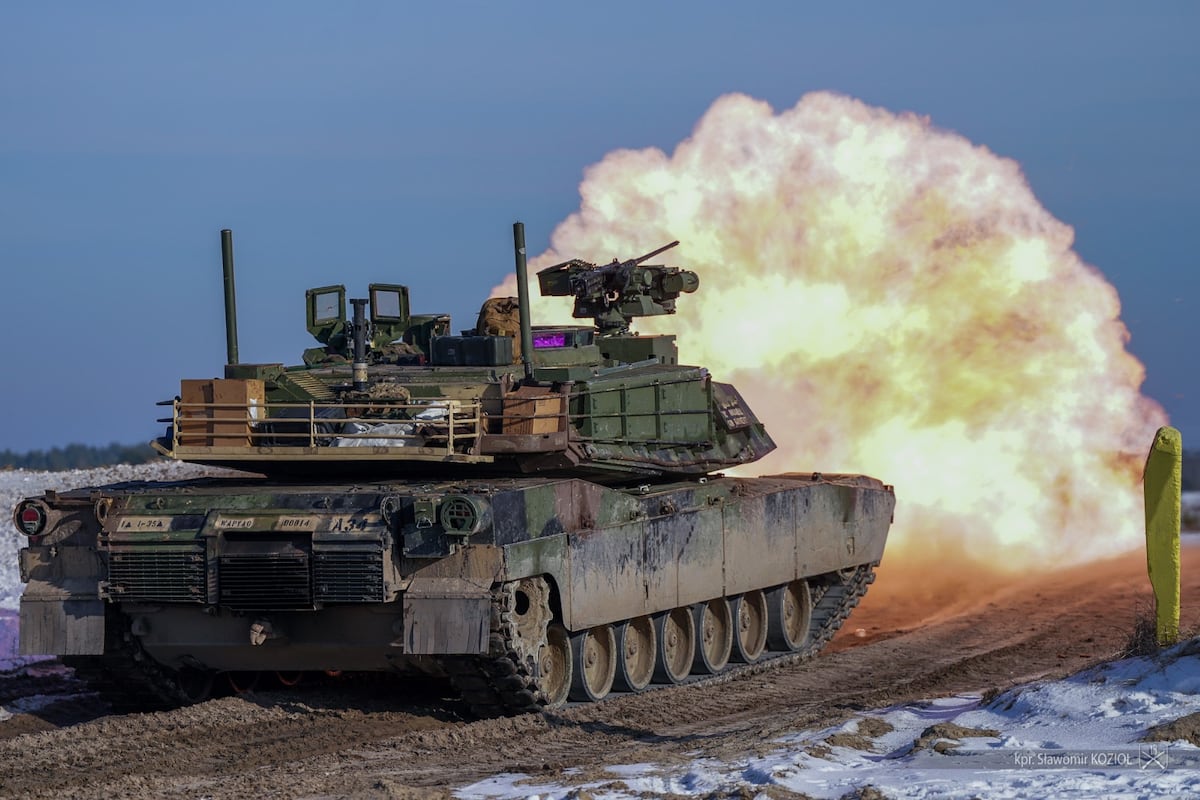
European Union countries are buying too much of their defense equipment abroad, almost two-thirds of it in the United States, and failing to invest enough in joint military projects, a landmark report on EU competitiveness warned Sept. 9.
The 27 member states are also failing to make best use of Europe’s research and development capacities to modernize their armed forces, with just a fraction the level of U.S. investment, said the report by former Italian prime minister and European Central Bank chief Mario Draghi.
The report comes as the EU continues to struggle to find enough weapons and ammunition to help Ukraine survive the full-scale Russian invasion, now in its third year, and to kickstart Europe’s defense industry.
“Europe is wasting its common resources. We have large collective spending power, but we dilute it across multiple different national and EU instruments,” said Draghi’s report, which has been a year in the making and is likely to fuel an overhaul of the bloc’s industrial strategy.
Part of the problem, it said, is failing to invest properly in Europe to create stronger defense firms.
“We are still not joining forces in the defense industry to help our companies to integrate and reach scale,” it said. The report pointed out that “we also do not favor competitive European defense companies.”
The report notes that, between mid-2022 and mid-2023, 63% of all EU defense orders were placed with U.S. companies, and a further 15% with other non-EU suppliers. Last week, the Netherlands joined a list of EU members to order big budget U.S.-made F-35 warplanes.
Across the 27 nations in 2022, defense research and development spending amounted to 10.7 billion euros ($11.8 billion) — just 4.5% of the total — compared with $140 billion in the United States, or around 16% of all defense spending.
NATO allies — almost all of whose members are part of the EU — have been ramping up defense spending since Russia annexed Ukraine’s Crimean Peninsula in 2014. Their aim is for each country to spend at least 2% of gross domestic product on their national defense budget.
Consecutive U.S. leaders have been exhorting European allies and Canada to spend more on defense for more than a decade, although former President Donald Trump was the only one to threaten to refuse to defend any country that did not respect the goal. Much of the money goes back to U.S. industry.
NATO forecasts that 23 of its 32 members will meet or exceed the 2% target by the end of the year, up from just three countries in 2014. Western defense spending has been further spurred by Russia’s fully fledged invasion of Ukraine in 2022.
On top of this, NATO allies also want to dedicate at least 20% of their national defense expenditures to major new equipment. That includes funds for research and development, which is crucial for modernizing their armed forces.
The report highlighted the shortcomings of countries investing in their national defense industry rather than joint procurement. When Ukraine appealed for artillery, for example, EU countries supplied 10 types of howitzers. Some use different 155mm shells, causing logistical headaches.
In contrast, the A-330 Multi-Role Tanker Transport plane was developed jointly, and this allowed participating countries to pool resources and share operating and maintenance costs.
9月9日发布的一份关于欧盟竞争力的里程碑式报告警告称,欧盟国家从国外购买的国防装备过多,其中近三分之二来自美国,而且对联合军事项目的投资不足。
意大利前总理兼欧洲中央银行行长马里奥·德拉吉在报告中指出,27 个成员国未能充分利用欧洲的研发能力来实现军队现代化,其投资水平仅为美国的零头。
这份报告发布之际,欧盟仍在努力寻找足够的武器弹药,以帮助乌克兰在俄罗斯全面入侵(目前已进入第三年)中生存下来,并启动欧洲的国防工业。
德拉吉的报告指出:“欧洲正在浪费其共同资源。我们拥有巨大的集体购买力,但我们却将其分散到多个不同的国家和欧盟工具中。”这份历时一年完成的报告可能会推动欧盟产业战略的全面改革。
报告指出,部分问题在于未能对欧洲进行适当投资,以建立更强大的国防企业。
报告指出,“我们仍然没有在国防工业领域携手合作,帮助我们的企业实现整合并扩大规模。”报告还指出,“我们也不扶持具有竞争力的欧洲国防企业。”
报告指出,2022年中至2023年中,欧盟所有国防订单中有63%下给了美国公司,另有15%下给了其他非欧盟供应商。上周,荷兰也加入了订购美国制造的高预算F-35战斗机的欧盟成员国行列。
2022 年,这 27 个国家的国防研发支出总额为 107 亿欧元(118 亿美元),仅占总额的 4.5%,而美国的国防研发支出为 1400 亿美元,约占国防总支出的 16%。
自2014年俄罗斯吞并乌克兰克里米亚半岛以来,北约盟国(几乎所有成员国都是欧盟成员国)一直在增加国防开支。他们的目标是每个国家将至少2%的国内生产总值用于国防预算。
十多年来,历任美国领导人一直敦促欧洲盟友和加拿大增加国防开支,但只有前总统唐纳德·特朗普威胁说,如果任何国家不尊重这一目标,他将拒绝为其提供国防保障。而大部分资金最终都流向了美国工业。
北约预测,到今年年底,其32个成员国中将有23个达到或超过2%的国防开支目标,而2014年只有3个国家达到这一目标。俄罗斯在2022年全面入侵乌克兰,进一步刺激了西方国家的国防开支。
除此之外,北约盟国还希望将至少20%的国防开支用于购置大型新装备。这其中包括研发资金,而研发对于军队现代化至关重要。
该报告强调了各国投资本国国防工业而非联合采购的弊端。例如,当乌克兰请求欧盟提供火炮时,欧盟国家提供了10种不同类型的榴弹炮。其中一些使用不同的155毫米炮弹,造成了后勤方面的难题。
相比之下,A-330 多用途加油运输机是联合开发的,这使得参与国能够集中资源并分担运营和维护成本。